


 Vista previa
 Compartir
 Compartir
 Ver detalles

 Descargar
 Ver similares
 Radiografía
 Presentación de diapositivas
Windmill and Dyke
 Impressionism
 84.0 x 97.0 cm
 Laing Art Gallery
 Leer más
Giclée / Impresión de arte
Impresiones giclée o en lienzo de calidad de museo con producción rápida y opciones de acabado flexibles. ( Encargar reproducción pintada a mano Comprar descarga)




































Elija entre nuestros tamaños predefinidos que respetan las proporciones originales de la obra.

Puede introducir sus propias dimensiones para adaptarse a un marco o espacio específico. Si el tamaño seleccionado no coincide con las proporciones de la imagen original, recortaremos la obra de arte o extenderemos la imagen con un borde con efecto espejo o de color sólido. Se enviará una maqueta digital para su aprobación antes de que comience la producción.
Tenga en cuenta que la vista previa en pantalla no refleja el recorte o la extensión real. Solo la maqueta mostrará con precisión la composición final.
Aunque existen tamaños personalizados, recomendamos seleccionar una dimensión de la lista predefinida para preservar las proporciones originales.
Envío a todo el mundo () en 2 semanas en lugar de las 4/5 semanas estándar. (19 agosto)

Envío exprés gratuito a todo el mundo

Lienzo de lino de alta calidad

Seguro de envío completo

Garantía de reembolso de aranceles aduaneros

Garantía de fidelidad cromática exacta

Política de devolución de 60 días (solo por defectos)

Garantía de devolución del 100% del dinero

Oferta por volumen
 La opción de vidrio solo está disponible en tamaños inferiores a 110 cm.

Windmill and Dyke
Giclée / Impresión de arte
Tamaño de la reproducción
-


Precio total
$ 62
Obras relacionadas


Biografía del artista
William Kiddier (1859–1934): A Quiet Master of Rural England
William Kiddier, born in Loughborough, Leicestershire, England, in 1859, was a British landscape painter who achieved considerable renown during the late Victorian and Edwardian eras. Though overshadowed by more flamboyant contemporaries like Sir William Blake Richmond and Frederic Leighton, Kiddier’s meticulous observation of rural England—particularly windmills, dykes, and picturesque cottages—established him as a significant voice within the Aesthetic Movement and contributed to the broader Romantic tradition. His artistic journey was marked by influences from Turner and Constable, reflecting a deep appreciation for atmospheric perspective and tonal modulation.- Early Life & Training: Kiddier’s formative years were spent honing his skills under the tutelage of Sir William Blake Richmond at Slade School of Fine Art in London. This association instilled in him a commitment to realism combined with expressive brushwork, shaping his artistic sensibilities.
- Notable Works: Kiddier produced numerous landscapes depicting quintessential English countryside scenes. “The Inn,” completed around 1890, exemplifies his masterful use of color and light to convey mood and atmosphere—a testament to his ability to capture the essence of a place.
- Influence & Style: His style aligns closely with Impressionism but retains a distinctly Romantic character. Kiddier’s canvases prioritize tonal harmony and subtle gradations of color, prioritizing emotional resonance over mere visual representation.
Exploring the Landscape Tradition: Turner and Constable as Inspirations
Like many artists of his time, Kiddier drew inspiration from the pioneering landscapes of J.M.W. Turner and John Constable. Turner’s dramatic use of light and color—particularly in works like “The Slave Ship”—challenged conventional artistic conventions and championed emotional intensity. Constable's dedication to accurately depicting rural England, as seen in “Salisbury Cathedral,” served as a crucial model for Kiddier’s compositional choices and tonal palette.- Turner’s Impact: Turner’s exploration of atmospheric effects profoundly influenced Kiddier’s approach to portraying the natural world. The artist sought to convey not just what he saw but also how it felt—a pursuit that resonated deeply with the Aesthetic Movement's emphasis on sensory experience.
- Constable’s Precision & Detail: Constable’s meticulous attention to detail and his commitment to capturing the subtleties of rural life instilled in Kiddier a desire for accuracy alongside expressive artistry. This dual focus is evident throughout his oeuvre.
A Legacy of Tranquility: Kiddier's Contribution to Romantic Landscape Painting
William Kiddier’s landscapes stand apart from the grand, theatrical canvases favored by some Romantic painters due to their quiet contemplation and understated beauty. However, this restraint does not diminish their artistic merit—rather, it underscores Kiddier’s profound understanding of how to evoke emotion through subtle tonal shifts and harmonious color combinations. His paintings continue to captivate viewers with their serene depictions of rural England, securing his place as a cornerstone of the Romantic landscape tradition.- Symbolism & Atmosphere: Kiddier skillfully employed symbolism—particularly references to windmills and dykes—to convey deeper meanings about English identity and heritage. His canvases resonate with an enduring sense of tranquility and nostalgia.
- Art UK Recognition: Art UK acknowledges William Kiddier’s contribution to British art history, highlighting his distinctive style and lasting influence on subsequent generations of landscape painters.
Further Exploration
For a deeper understanding of William Kiddier's artistic vision and legacy, consult resources such as Art UK (
Datos clave
- Artistic Movement Or Style: Romanticism
- Artists Or Movements Influenced By This Artist: ['Pre-Raphaelitism']
- Artists Who Influenced This Artist: ['Sir William Nicholson']
- Date Of Death: 1934
- Full Name: William Kiddier
- Nationality: British
- Notable Artworks:
- The Inn
- Sir William Blake Richmond
- Place Of Birth: Loughborough
Artículos relacionados

Los 10 Paisajes Más Icónicos de la Historia del Arte | ArtsDot
Descubre los 10 paisajes más emblemáticos de la historia del arte, desde Monet a Van Gogh. Explora su significado, técnica y belleza atemporal. Encuentra reproducciones de alta calidad e inspira tu hogar con ArtsDot.com.
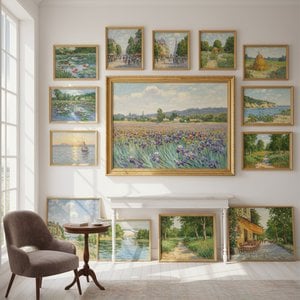
Los 10 Maestros del Paisaje Impresionista: Obras que Cambiaron la Historia del Arte
Descubre los 10 lienzos impresionistas que revolucionaron el arte. Explora la historia de Monet, Van Gogh y Renoir, sus técnicas y colores vibrantes. Encuentra reproducciones de alta calidad para decorar tu hogar en ArtsDot.com

Beyond the Horizon: A Curated Guide to Integrating Post-Impressionist Landscapes into Modern Interiors
Transform your home with the emotive power of Post-Impressionist landscapes. Discover expert tips on selecting hand-painted oil reproductions to create a soulful, vibrant interior that reflects your unique style and connection to nature.

Los 10 Maestros del Paisaje Impresionista: Obras que Cambiaron la Historia del Arte
Descubre los 10 lienzos impresionistas que revolucionaron el arte. Monet, Renoir y más… Explora la historia, técnica y belleza de cada obra maestra. Encuentra reproducciones de alta calidad para tu hogar en ArtsDot.com.

John Constable: Las 25 Obras Maestras del Paisaje Inglés | ArtsDot
Descubre las 25 obras maestras de John Constable, el pintor romántico inglés que capturó la belleza del paisaje. Explora su técnica, historia y significado en ArtsDot.com. Reproducciones de arte de alta calidad para tu hogar.

