

 Ver en contexto
 Enviar
 Compartir
 Detalles
 Guía
Guía

 Descargar
 Similares
 Radiografía
 Presentación de diapositivas
 Preguntas y respuestas
 Estadísticas
Sowing

- 98.0 x 116.0 cm


 Ver más
La obra de arte que se muestra en esta página está protegida por las leyes de propiedad intelectual, lo que significa que no podemos crear ni vender legalmente una reproducción idéntica. Esta protección se hace cumplir en virtud de acuerdos internacionales como el Convenio de Berna y por las leyes nacionales, incluidas aquellas establecidas por el Ley de derechos de autor de los EE. UU. - Título 17.
Este método cumple plenamente con las normativas de derechos de autor, ya que no implica la copia ni la duplicación de la obra protegida. En su lugar, se trata de una reinterpretación creativa: una nueva pintura influenciada por la original, pero que no es idéntica a ella.
Giclée / Impresión de arte
Impresiones giclée o en lienzo de calidad de museo con producción rápida y opciones de acabado flexibles. ( Comprar pintura hecha a mano Cambiar a imagen digital)




P118B €10

P118H €10

P118W €10

P438Z €10

P508JH €12

P508YH €12

P805H €10

P805Z €10

P919BZ €10

P919G €10

P919XJ €10

P959ZH €10

P968JZ €12

W106C €8

W218G €10

W218JH €8

W218Y €10

W307PJ €10

W316G €10

W316PJ €8

W316Y €10

W398PJ €8

W4111J €10

W500HY €15

W500JH €15

W692G €12

W849H €8

W940BG €15

W953PJ €8




Elija entre nuestros tamaños predefinidos que respetan las proporciones originales de la obra.

Introduzca el ancho y el alto que necesite para adaptarse a su marco o pared. Una impresión solo puede recortarse, nunca hacerse más grande que la imagen original, por lo que un tamaño con una forma distinta perderá parte de la obra. Le enviaremos una maqueta digital para su aprobación antes de realizar cualquier impresión. La imagen que se muestra en esta página no refleja el recorte real; solo la maqueta lo hace.
Envío a todo el mundo () en 2 semanas en lugar de las 4/5 semanas estándar. (3 noviembre)

Envío exprés gratuito a todo el mundo

Lienzo de lino de alta calidad

Seguro de envío total

Garantía de reembolso de aranceles aduaneros

Garantía de fidelidad cromática exacta

Política de devolución de 100 días (solo por defectos)

Garantía de devolución del 100% del dinero

Descuento por cantidad
 La opción de vidrio solo está disponible en tamaños inferiores a 110 cm.

Sowing
Giclée / Impresión de arte
Dimensiones de la reproducción
-


Precio total final
€ 56
A Symphony of Rural Resilience
In the heart of William H. Johnson’s 1940 masterpiece, Sowing, we find a breathtaking window into the rhythmic soul of American agrarian life. The canvas unfolds as a vibrant tapestry of motion and color, capturing two figures engaged in the timeless, laborious dance of agriculture. One man, poised with the strength of tradition, grips a plow, while his companion carries the weight of the harvest in a bag upon his back. This is not merely a depiction of manual labor; it is a celebration of endurance. Surrounded by the steady presence of horses and the watchful eyes of birds scattered across the sky, the scene breathes with a life force that transcends the canvas. The inclusion of a distant house, complete with a subtle clock marking the passage of time, anchors this cosmic moment of toil to the domestic reality of the rural landscape, creating a profound sense of place and purpose.
Johnson’s unique visual language, often described as a masterful blend of modernist abstraction and folk tradition, is on full display here. The technique utilizes bold, expressive strokes and a palette that feels both earthy and ethereal. By merging the simplified forms of primitive art with the sophisticated emotional depth of expressionism, Johnson achieves a texture that is tactile and immersive. The way light interacts with the landscape—suggested by the presence of a soft moon in the sky—adds a layer of dreamlike mysticism to the scene. For the discerning collector or interior designer, this painting offers a striking focal point; its dynamic composition and rich, saturated tones possess the rare ability to command a room while simultaneously providing a sense of grounded, historical warmth.
The Spirit of the Harlem Renaissance
To understand Sowing is to understand the profound cultural movement from which it emerged. As a pivotal figure of the Harlem Renaissance, William H. Johnson infused his work with the spiritual and rhythmic echoes of African American heritage. The painting serves as a visual manifestation of the resilience found in the Southern landscape, drawing heavily from the iconography of storytelling and the communal strength of the Black experience. Every element, from the geometric patterns suggested in the field to the symbolic presence of the animals, speaks to a deeper narrative of perseverance against the backdrop of Jim Crow America.
For those seeking to adorn a space with art that carries significant historical weight, this reproduction offers more than just aesthetic beauty. It provides an emotional resonance that connects the modern viewer to the ancestral struggles and triumphs of the past. The painting acts as a bridge between the folk traditions of South Carolina and the avant-garde movements of the twentieth century, making it an invaluable piece for any collection focused on American identity and the enduring power of the human spirit. It is a work that does not merely decorate a wall; it tells a story of life, labor, and the eternal cycle of growth.
Preguntas y respuestas
¿Qué elementos de la obra de William H. Johnson se encuentran en "Sowing"?
"Sowing" comparte con otras obras de William H. Johnson su estilo Expressionism y sus temas recurrentes: folk art roots, african american experience, rural america imagery, expressionist color palette, scandinavian influence, social commentary subtle, johnson's stylistic evolution, harlem community art center.
¿Dónde puedo comprar una imagen digital de "Sowing" de William H. Johnson?
Puede adquirir una imagen digital de "Sowing" de William H. Johnson en su página de Imagen digital de alta resolución: descarga de una imagen digital en alta resolución.
¿Es "Sowing" más bien clara o más bien oscura en su conjunto?
"Sowing" presenta un brillo general de bright y una luminancia de Gentle Luminance.
Obras relacionadas


Biografía del artista
Un Tapiz de Resiliencia: La Visión Sentida de William H. Johnson
La historia de William Henry Johnson es una de profunda transformación, un viaje que comenzó en los humildes paisajes de Florence, Carolina del Sur, y ascendió hasta las cumbres del escenario modernista internacional. Nacido en 1901 en el seno de una familia afroamericana humilde durante la era de Jim Crow, la infancia de Johnson fue moldeada por los ritmos del sur de Estados Unidos: los ecos espirituales de la música gospel, la riqueza de la tradición oral y las arraigadas costumbres de su herencia. Esta conexión fundacional con la cultura negra serviría más tarde como el latido de sus obras más perdurables, proporcionando un manantial de imágenes que trascendieron la mera representación para alcanzar el reino de lo universal.
Su camino hacia la maestría artística estuvo pavimentado con una inmensa determinación personal. Al mudarse a Nueva York a los diecisiete años, Johnson trabajó incansablemente para costear su educación en la prestigiosa National Academy of Design. En los salones de la academia, dominó los rigurosos estándares clásicos de la tradición europea; sin embargo, su espíritu permaneció ligado a las texturas vibrantes de sus raíces. Esta tensión entre la formación académica formal y el anhelo de autenticidad cultural se convertiría en la característica definitoria de su estilo en constante evolución.
Del Modernismo Europeo a la Maestría del Arte Folclórico
A finales de la década de 1920, la carrera de Johnson experimentó un giro crucial cuando viajó a Europa, sumergiéndose en los movimientos de vanguardia de Francia. Fue durante este período de errancia y descubrimiento cuando su pincelada comenzó a desprenderse de sus restricciones clásicas, abrazando la intensidad emocional del Expresionismo. Su estancia en Escandinavia, marcada especialmente por su matrimonio con la artista danesa Holcha Krake, lo introdujo en la estética del primitivismo y el arte folclórico. Estas influencias actuaron como un catalizador, impulsándolo a simplificar las formas y a utilizar colores audaces y sin adornos para transmitir verdades psicológicas más profundas.
Al regresar a los Estados Unidos en 1938, Johnson emergió como una voz vital del Renacimiento de Harlem. No se limitó a observar la vida afroamericana; la celebró a través de un lenguaje visual único que fusionaba la abstracción modernista con una estética conmovedora e inspirada en lo folclórico. Sus lienzos se convirtieron en ventanas hacia la dignidad de la experiencia negra, utilizando técnicas como el impasto para crear texturas palpables que reflejaban la entereza y la gracia de sus sujetos. Ya fuera al representar la energía rítmica de los bailarines en obras como Jitterbugs (III) o la serena quietud de una figura sentada, la obra de Johnson poseía una claridad emocional inconfundible.
Un Legado de Significado Cultural
La importancia de William H. Johnson reside en su capacidad para entrelazar mundos dispares: lo espiritual y lo secular, lo local y lo global, lo clásico y lo primitivo. Su obra es un archivo monumental de la identidad afroamericana, presentando temas que van desde iconos históricos como Harriet Tubman hasta la belleza cotidiana de los paisajes rurales y las reuniones sociales. Obras maestras notables, como El Cristo Negro, demuestran su profundo uso del simbolismo Yoruba, tendiendo un puente entre la espiritualidad ancestral y la lucha contemporánea.
Aunque enfrentó periodos en los que fue ignorado por el establecimiento artístico convencional durante su vida, el legado de Johnson ha experimentado una poderosa reivindicación. Hoy en día, es reconocido no solo como un pintor de su época, sino como un visionario que transformó el lenguaje del modernismo para honrar la resiliencia de su pueblo. Su vida permanece como un testimonio del poder del arte para preservar la historia, celebrar la identidad y hallar la belleza dentro de las experiencias humanas más complejas.

William H. Johnson
1901 - 1970 , Estados Unidos
Datos clave
- Artistic Movement Or Style: Harlem Renaissance; Expressionism
- Artists Who Influenced This Artist: ['John Wollaston']
- Date Of Birth: 1901
- Full Name: William Henry Johnson
- Nationality: American
- Notable Artworks:
- Sir William Johnson Presenting Medals...
- William Johnson Fox
- Place Of Birth: Florence, South Carolina
Artículos relacionados
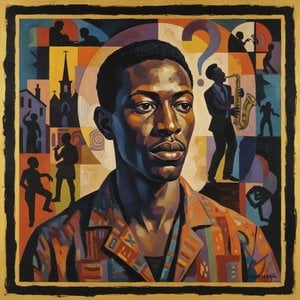
William H. Johnson: A Life Painted in Bold Strokes – Race, Identity & Modernism
Explore the powerful life & art of William H. Johnson – a pivotal American painter who captured African American experiences with bold expressionism and folk art style. Discover his legacy at ArtsDot.

Robert Henri & the Spirit of American Realism: A Legacy of Urban Life and Artistic Independence
Explore the life & legacy of Robert Henri, a pivotal figure in American Realism. Discover his captivating portraits, influence on the Ashcan School, and enduring impact on art history. Learn more at ArtsDot.

Grant Wood & American Regionalism: Identity, Myth & the Rural Landscape
Explore the world of Grant Wood & American Regionalism with ArtsDot. Discover the symbolism behind 'American Gothic', recurring themes, and the movement's lasting impact on art history. High-quality reproductions available.

Color sin límites: Las 25 mejores obras maestras de Henri Matisse
Explora las 25 obras maestras de Henri Matisse y su vibrante fauvismo. ¡Descubre toda la colección en ArtsDot.com!

Edward Hicks’ ‘Peaceable Kingdom’: American Folk Art & the Shaping of a National Identity
Explore the profound symbolism & historical context of Edward Hicks’ ‘Peaceable Kingdom.’ Discover how this iconic American folk art masterpiece reflects Quaker values and shaped a nation's identity. Learn more at ArtsDot.


