


 Vista previa
 Compartir
 Compartir
 Ver detalles
 Guía
Guía

 Descargar
 Ver artículos similares
 Radiografía
 Presentación de diapositivas
 Estadísticas
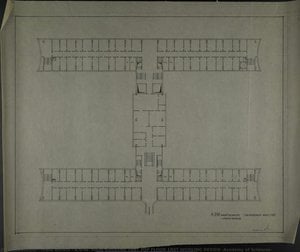
Plan of the Tower Mint


 Leer más
Reproducción al óleo hecha a mano
Óleo sobre lienzo pintado a mano en el tamaño y marco de su elección, realizado por encargo por nuestros artistas. ( Cambiar a formato impreso Ver versión en imagen digital)




































Elija entre nuestros tamaños predefinidos que respetan las proporciones originales de la obra.

Puede ingresar sus propias dimensiones para adaptarse a un marco o espacio específico. Si el tamaño seleccionado no coincide con las proporciones de la imagen original, recortaremos la obra o extenderemos la pintura con elementos adicionales pintados a mano. Se le enviará una maqueta digital para su aprobación antes de comenzar la producción.
Tenga en cuenta que la vista previa en pantalla no refleja el recorte o la extensión reales. Solo la maqueta mostrará con precisión la composición final.
Si bien existen tamaños personalizados, recomendamos seleccionar una dimensión de la lista predefinida para preservar las proporciones originales.
Tras realizar el pedido, el equipo de ArtsDot.com enviará un correo electrónico al cliente para solicitar instrucciones y proporcionarle una vista previa del boceto.
Envío a todo el mundo () en 3-4 semanas en lugar de las 5 semanas estándar. (22 septiembre). Sin comprometer la calidad.

Envío exprés gratuito a todo el mundo

Lienzo de lino de alta calidad

Seguro de envío completo

Garantía de reembolso de impuestos aduaneros

Garantía de fidelidad cromática exacta

Política de devolución de 100 días (solo por defectos)

Garantía de devolución del 100% del dinero

Oferta por volumen
 La opción de vidrio solo está disponible en tamaños inferiores a 110 cm.

Plan of the Tower Mint
Técnica de reproducción
Tamaño de la reproducción
-


Precio total
$ 263
Obras relacionadas




Biografía del artista
William Allingham (1824 – 1889): Poet of Irish Landscape and Victorian Intimacy
William Allingham (19 March 1824 – 18 November 1889) stands as a singular figure in late nineteenth-century Irish literature, celebrated primarily for his evocative poetry—particularly “The Faeries”—and profoundly personal diaries that offer unparalleled insight into the intellectual milieu of Victorian England. Born in Dublin, Allingham’s life was marked by both artistic ambition and familial devotion; he married Helen Allingham (née Mary Louisa Giveen), a talented watercolorist who collaborated closely with him on numerous illustrations, cementing their legacy as a creative duo deeply rooted in the Irish countryside.Early Life & Literary Beginnings
Allingham's formative years instilled within him a lifelong fascination with folklore and mythology—themes that would permeate his poetic output. Growing up amidst the rugged beauty of County Wicklow, he absorbed the traditions and legends passed down through generations, shaping his artistic sensibility and informing his lyrical explorations of rural Ireland. His initial foray into writing began modestly, producing ballads and songs that captured the spirit of Irish peasant life, establishing him as a voice for the marginalized communities of his time. These early works demonstrated an acute awareness of social realities alongside a masterful command of poetic language—a foundation upon which he would build his most celebrated achievements.“The Faeries”: A Mythic Resonance
Allingham’s magnum opus remains “The Faeries,” published in 1865, a collection of poems imbued with Celtic mythology and infused with a palpable sense of wonder. This work transcends mere descriptive verse; it delves into the psychological complexities of human experience through the lens of fantastical beings—a masterful blend of observation and imagination. Critics lauded its lyrical beauty and its ability to convey profound emotions—a testament to Allingham’s skill in crafting narratives that resonate deeply with readers across generations. The poem's enduring popularity speaks volumes about its timeless appeal, capturing a yearning for connection with the natural world and acknowledging the power of imaginative storytelling. Its imagery is rich with symbolism—drawing upon archetypal figures and motifs to explore themes of innocence, loss, and transformation—reflecting the broader Romantic preoccupation with the sublime and the transformative potential of encountering the extraordinary.Helen Allingham: Collaborator & Artistic Companion
His wife, Helen Allingham, was equally accomplished as an artist, specializing in watercolor landscapes that mirrored William’s poetic vision. Together they created a remarkable body of work—illustrations for books and periodicals—that captured the essence of Irish rural life with exquisite detail and sensitivity. Their collaborative spirit exemplifies the importance of artistic partnership—a harmonious blend of complementary skills and perspectives resulting in images that are both aesthetically pleasing and emotionally resonant. Helen’s contribution solidified their reputation as one of Ireland's most celebrated artistic couples, leaving an indelible mark on Victorian illustration. Her watercolors served not only as visual accompaniment to Allingham’s poems but also as expressions of a shared aesthetic sensibility—a devotion to capturing the beauty and tranquility of the Irish landscape with unwavering precision.Diaries & Intellectual Circles
Beyond his poetic achievements, Allingham gained renown as a meticulous diarist—a chronicle of his daily life interwoven with conversations and encounters with prominent literary figures such as Tennyson, Carlyle, Rossetti, and Meredith. These diaries offer invaluable documentation of Victorian intellectual discourse, revealing Allingham’s astute observations on art, philosophy, and social reform. They portray him not merely as a poet but as an engaged participant in the cultural debates shaping his era—a man driven by curiosity and committed to documenting human experience with unflinching honesty. His journals provide a window into the anxieties and aspirations of Victorian society—illuminating the intellectual currents that propelled artists and writers alike toward new horizons of expression.Legacy & Historical Significance
William Allingham’s influence extends beyond his immediate literary circle; he helped to establish a tradition of Irish lyric poetry that continues to inspire writers and artists today. His diaries provide invaluable insight into the Victorian mind—a portrait of a period defined by intellectual ferment and social change. Furthermore, his work serves as a reminder of the transformative power of folklore and mythology—themes that remain relevant in contemporary discussions about cultural identity and artistic expression. Allingham’s legacy resides not only in his poems but also in his unwavering commitment to documenting human experience with compassion and intelligence—a testament to the enduring value of observation and imaginative storytelling. He remains a pivotal figure in Victorian literature, securing his place as an artist who captured both the grandeur of mythic imagination and the quiet dignity of everyday life.
William Allingham
1824 - 1889 , República de Irlanda
Datos clave
- Artistic Movement Or Style: Poesía Lírica
- Artists Or Movements Influenced By This Artist: ['Romanticismo']
- Artists Who Influenced This Artist:
- Tennyson
- Carlyle
- Date Of Birth: 1824
- Full Name: William Allingham
- Nationality: Irlandés
- Notable Artworks: ['The Faeries']
- Place Of Birth: Dublin, República de Irlanda
Artículos relacionados

William Hogarth: Satire, Social Commentary & the Birth of Modern British Art
Explore the satirical world of William Hogarth, pioneering British painter & engraver. Discover his iconic works like *A Rake's Progress* and insightful social commentary on 18th-century London life.

Penry Williams: Evoking Welsh Nostalgia Through Impressionistic Landscapes
Explore the captivating world of Penry Williams (1802-1885), a Welsh artist renowned for his evocative Impressionistic landscapes and scenes of Italy. Discover his life, style & legacy with ArtsDot.

Mapping Beauty: Transform Your Space with Stunning Topographical Artworks
Elevate your interiors with breathtaking topographical art. From vintage cartography to textured 3D reliefs, discover how hand-painted maps and historical landscapes can transform any room into a sophisticated sanctuary of discovery and timeless beauty.

Christopher Williams: Deconstructing Representation & Materiality in Contemporary Art
Explore the groundbreaking work of Christopher Williams, a pivotal figure in contemporary art. This analysis delves into his deconstruction of representation, materiality, and institutional critique – essential reading for serious collectors.

El Siglo XVIII en el Arte: 10 Obras Maestras para Decorar con Historia y Elegancia
Descubre 10 obras maestras del siglo XVIII: Goya, Fragonard y más. Explora la historia, el arte barroco, rococó y neoclasicismo que inspiran decoración elegante. Reproducciones de alta calidad en ArtsDot.com.