 Vista previa
 Compartir
 Compartir
 Ver detalles

 Descargar
 Ver similares
 Radiografía
 Presentación de diapositivas
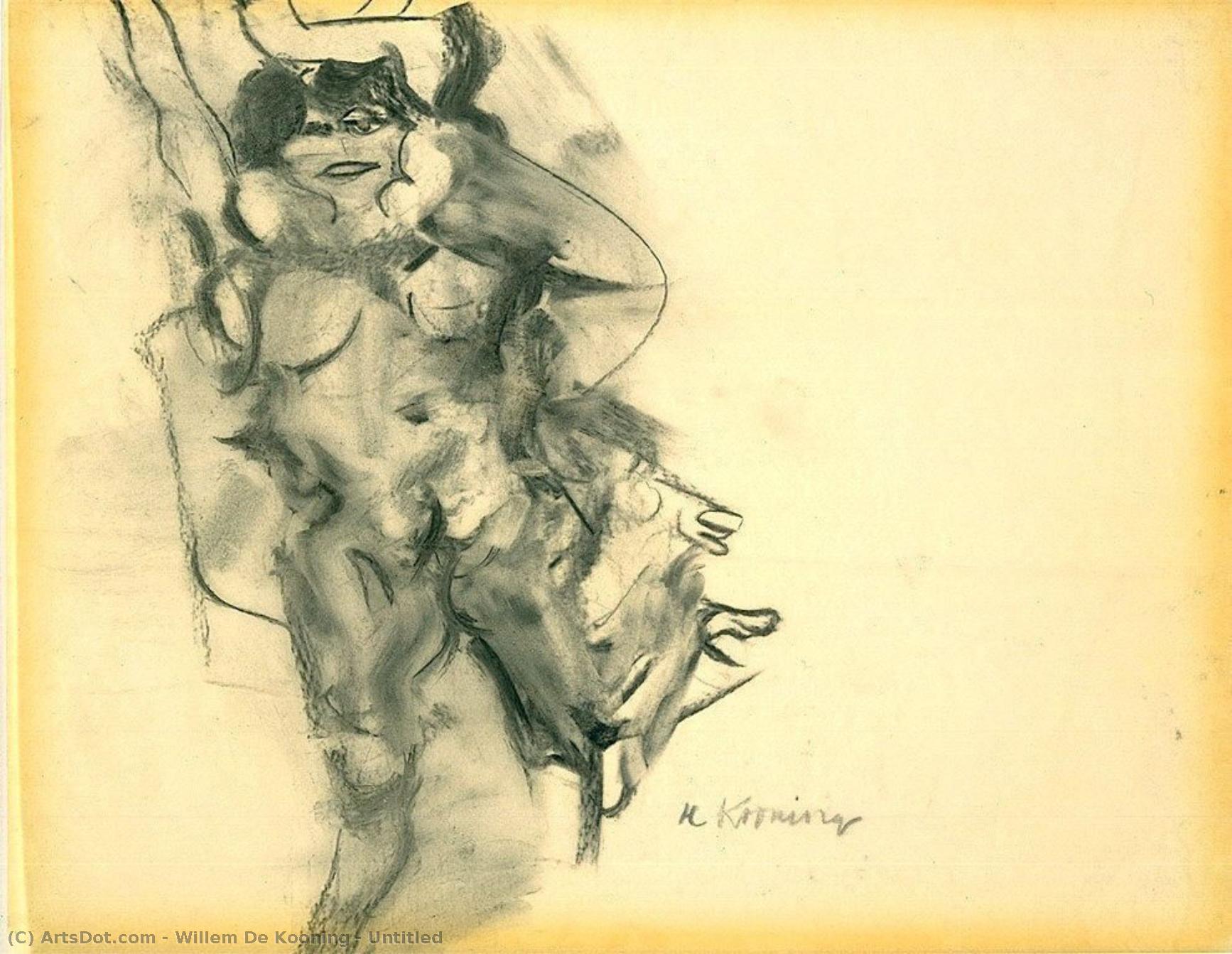
Untitled


 Leer más
Giclée / Impresión de arte
Impresiones giclée o en lienzo de calidad de museo con producción rápida y opciones de acabado flexibles. ( Encargar reproducción pintada a mano Comprar descarga)




P118B $10

P118H $10

P118W $10

P438Z $10

P508JH $12

P508YH $12

P805H $10

P805Z $10

P919BZ $10

P919G $10

P919XJ $10

P959ZH $10

P968JZ $12

W106C $8

W218G $10

W218JH $8

W218Y $10

W307PJ $10

W316G $10

W316PJ $8

W316Y $10

W398PJ $8

W4111J $10

W500HY $15

W500JH $15

W692G $12

W849H $8

W940BG $15

W953PJ $8




Elija entre nuestros tamaños predefinidos que respetan las proporciones originales de la obra.

Puede introducir sus propias dimensiones para adaptarse a un marco o espacio específico. Si el tamaño seleccionado no coincide con las proporciones de la imagen original, recortaremos la obra de arte o extenderemos la imagen con un borde con efecto espejo o de color sólido. Se enviará una maqueta digital para su aprobación antes de que comience la producción.
Tenga en cuenta que la vista previa en pantalla no refleja el recorte o la extensión real. Solo la maqueta mostrará con precisión la composición final.
Aunque existen tamaños personalizados, recomendamos seleccionar una dimensión de la lista predefinida para preservar las proporciones originales.
Envío a todo el mundo () en 2 semanas en lugar de las 4/5 semanas estándar. (21 agosto)

Envío exprés gratuito a todo el mundo

Lienzo de lino de alta calidad

Seguro de envío completo

Garantía de reembolso de aranceles aduaneros

Garantía de fidelidad cromática exacta

Política de devolución de 60 días (solo por defectos)

Garantía de devolución del 100% del dinero

Oferta por volumen
 La opción de vidrio solo está disponible en tamaños inferiores a 110 cm.

Untitled
Giclée / Impresión de arte
Tamaño de la reproducción
-


Precio total
$ 62
Descripción de la pieza
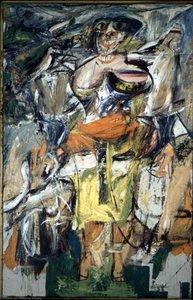
A Symphony of Chaos: Willem de Kooning’s “Interchange”
“Interchange,” painted in 1955 by Willem de Kooning, stands as a pivotal moment in the artist's oeuvre and embodies the core tenets of Abstract Expressionism. More than just a depiction of a woman’s body—a subject he had largely abandoned by this point—the canvas pulsates with an unsettling dynamism that captures the anxieties of postwar America and foreshadows the movement’s eventual embrace of urban landscapes as its primary focus. De Kooning himself described it as “a kind of…a sort of…a terrible thing,” reflecting the profound emotional investment he poured into its creation.The Style: Fragmented Gestures and Bold Texture
De Kooning's stylistic evolution is palpable in "Interchange." Departing from his earlier explorations of female figures—characterized by meticulous detail and psychological nuance—he adopted a radically different approach, prioritizing gesture and texture above all else. Inspired by the work of Franz Kline, whose stark black-and-white lines had captivated him, De Kooning employed thick impasto strokes of charcoal to build up layers of pigment onto the canvas. These marks aren’t merely decorative; they convey an urgent physicality—a sense of struggle and disruption—that dominates the composition. The fragmented forms emerge from this turbulent surface, mirroring the fractured realities experienced by individuals navigating a rapidly changing world.Historical Context: Anxiety and Transformation
Painted during the height of the Abstract Expressionist movement, “Interchange” reflects the pervasive atmosphere of uncertainty that gripped Europe and North America following World War II. Artists wrestled with existential questions about identity, morality, and purpose in the wake of unimaginable devastation. De Kooning’s decision to move away from traditional representations—specifically women—can be interpreted as a rejection of bourgeois ideals and an assertion of artistic freedom. Simultaneously, it signaled a crucial shift towards exploring themes of urban alienation and psychological complexity – trends that would become hallmarks of subsequent generations of artists.Symbolism: The Figure Dissolving into Landscape
The woman depicted in “Interchange” isn’t presented as a fully realized portrait; rather, she appears to be dissolving into the surrounding landscape—a deliberate tactic designed to convey a sense of vulnerability and impermanence. Her body is fractured into angular shards, mirroring the fragmented nature of experience itself. The dark charcoal tones contribute to this unsettling effect, creating an atmosphere of claustrophobia and hinting at hidden traumas. Some scholars suggest that De Kooning intended to represent not just physical disintegration but also the loss of spiritual certainty—a theme prevalent in existentialist philosophy during the period.Emotional Impact: Confrontation and Discomfort
“Interchange” is undeniably a challenging artwork, demanding sustained contemplation from the viewer. Its jarring juxtaposition of form and texture compels us to confront uncomfortable truths about human existence – fear, uncertainty, and the inevitability of change. Yet, within this apparent chaos lies an undeniable beauty—a testament to De Kooning’s mastery of technique and his ability to translate profound emotion onto canvas. Like many masterpieces of Abstract Expressionism, “Interchange” refuses easy interpretation, inviting viewers to engage in a dialogue with its unsettling imagery and prompting reflection on the complexities of the human condition. It remains a powerful reminder that art can serve as both a mirror reflecting our inner turmoil and a catalyst for transformative insight.Obras relacionadas


Biografía del artista
vida temprana y carrera
Willem de Kooning, un reconocido artista abstracto expresionista holandés-estadounidense, nació el 24 de abril de 1904 en Róterdam, Países Bajos. Sus padres, Leendert de Kooning y Cornelia Nobel, se divorciaron en 1907, y de Kooning vivió con su padre antes de mudarse a la atención de su madre. Dejó la escuela en 1916 y se convirtió en aprendiz en una firma de arte comercial.desarrollo artístico
De Kooning asistió a clases nocturnas en la Academia de Artes Visuales y Ciencias Aplicadas en Róterdam de 1916 a 1924. En 1927, se mudó a la ciudad de Nueva York, donde trabajó como pintor de casas y comenzó a desarrollar su estilo artístico único.expresionismo abstracto
El trabajo de De Kooning se inclinó hacia el expresionismo abstracto en la década de 1950, caracterizado por pinceladas audaces y colores vibrantes. Su pintura Mujer I (1950-1952) es una obra seminal en este movimiento, que combina la figuración con la espontaneidad y la intensidad emocional.obras notables y colecciones
* El Glazador (137 x 112 cm, óleo sobre lienzo): una sombría pintura en tonos tierra inspirada en los frescos de Boscoreale. * Puerta al río (expresionismo abstracto): una pintura con pinceladas anchas que recuerda a su pasado como pintor de casas. * Hombre de pie (expresionismo abstracto): un ejemplo característico del estilo expresionista abstracto de De Kooning.museos y colecciones
* Museo Boijmans Van Beuningen, Róterdam, Países Bajos: cuenta con una impresionante colección de más de 151.000 obras de arte. * Universiteitsbibliotheek, Leiden, Países Bajos: alberga un importante centro cultural con más de 5.200.000 volúmenes y 1.000.000 libros electrónicos. El legado de Willem de Kooning continúa inspirando a artistas y entusiastas del arte por igual, consolidando su lugar como pionero del expresionismo abstracto.
Willem de Kooning
1904 - 1997 , Países Bajos
Datos clave
- Artistas Que Influyeron: ['Arshile Gorky']
- Fecha De Muerte: 1997
- Fecha De Nacimiento: 24 de abril de 1904
- Lugar De Nacimiento: Rotterdam, Países Bajos
- Movimiento Artístico: Expresionismo abstracto
- Nacionalidad: Neerlandés-estadounidense
- Nombre Completo: Willem de Kooning
- Obras Notables:
- Mujer I
- El Vidriero
- Excavación
Artículos relacionados

Expresionismo Abstracto: 10 Obras Maestras que Transformaron el Arte |
Descubre las 10 obras maestras del Expresionismo Abstracto: Pollock, Rothko y más. Explora la historia, técnica y significado de estos lienzos icónicos. Reproducciones de arte exclusivas en .

Solicitudes Comerciales
APS ofrece reproducciones de bellas artes y encargos personalizados desde 2004. Confían en nosotros corporaciones, hoteles y coleccionistas selectos para obras de arte de calidad museística, servicio discreto y soluciones artísticas completas. ¡Póngase en contacto con nosotros para obtener un presupuesto personalizado!

Willem de Kooning: Abstraction, Gesture & the Evolution of Post-War American Painting
Explore the evolution of Willem de Kooning's iconic Abstract Expressionist paintings. Discover his signature style, key themes & investment potential with expert insights for discerning art collectors.

Goya: Las 25 Obras Maestras del Genio Español | Reproducciones de Arte en ArtsDot
Descubre las 25 obras maestras de Goya, el genio español. Explora retratos icónicos, 'Los Caprichos' y 'Las Pinturas Negras'. Reproducciones de arte en lienzo de alta calidad para decorar tu hogar con estilo. ¡Encuentra tu obra favorita en ArtsDot.com!

Más Allá de la Representación: Explorando el Paisaje Emocional del Expresionismo Abstracto
Descubra el Expresionismo Abstracto en profundidad. Análisis de artistas clave como Rothko y Richter, su contexto histórico e inversión en arte. Guía experta para coleccionistas.