


 Vista previa
 Compartir
 Compartir
 Ver detalles

 Descargar
 Ver artículos similares
 Radiografía
 Presentación de diapositivas
 Estadísticas
Saito Oniwakamaru


 Leer más
Giclée / Impresión de arte
Impresiones giclée o en lienzo de calidad de museo con producción rápida y opciones de acabado flexibles. ( Encargar reproducción pintada a mano Ver versión en imagen digital)




P118B $10

P118H $10

P118W $10

P438Z $10

P508JH $12

P508YH $12

P805H $10

P805Z $10

P919BZ $10

P919G $10

P919XJ $10

P959ZH $10

P968JZ $12

W106C $8

W218G $10

W218JH $8

W218Y $10

W307PJ $10

W316G $10

W316PJ $8

W316Y $10

W398PJ $8

W4111J $10

W500HY $15

W500JH $15

W692G $12

W849H $8

W940BG $15

W953PJ $8




Elija entre nuestros tamaños predefinidos que respetan las proporciones originales de la obra.

Puede introducir sus propias dimensiones para adaptarse a un marco o espacio específico. Si el tamaño seleccionado no coincide con las proporciones de la imagen original, recortaremos la obra de arte o extenderemos la imagen con un borde con efecto espejo o de color sólido. Se enviará una maqueta digital para su aprobación antes de que comience la producción.
Tenga en cuenta que la vista previa en pantalla no refleja el recorte o la extensión real. Solo la maqueta mostrará con precisión la composición final.
Aunque existen tamaños personalizados, recomendamos seleccionar una dimensión de la lista predefinida para preservar las proporciones originales.
Envío a todo el mundo () en 2 semanas en lugar de las 4/5 semanas estándar. (19 septiembre)

Envío exprés gratuito a todo el mundo

Lienzo de lino de alta calidad

Seguro de envío completo

Garantía de reembolso de impuestos aduaneros

Garantía de fidelidad cromática exacta

Política de devolución de 100 días (solo por defectos)

Garantía de devolución del 100% del dinero

Oferta por volumen
 La opción de vidrio solo está disponible en tamaños inferiores a 110 cm.

Saito Oniwakamaru
Giclée / Impresión de arte
Tamaño de la reproducción
-


Precio total
$ 62
A Symphony of Color and Courage: Decoding Utagawa Kuniyoshi’s “Saito Oniwakamaru”
To gaze upon “Saito Oniwakamaru” is to step through a portal into the turbulent, electric spirit of Edo-period Japan. This masterful woodblock print, brought to life by the prodigious talent of Utagawa Kuniyoshi around 1853, is far more than a mere depiction of folklore; it is a visceral encounter with drama and legend. The scene captures a breathtaking confrontation between the young, rebellious samurai Saito Tsunetomi Oniwakamaru—a figure driven by the fierce desire to avenge his father’s assassination—and a colossal, fantastical carp. This creature, surging through a tempestuous sea, serves as a powerful symbol of imperial authority and unyielding resilience, creating a tension that vibrates through every inch of the composition.
The artwork is a triumph of the ukiyo-e technique, specifically showcasing Kuniyoshi’s ability to weave complex narratives through striking visual elements. The artist employs a dynamic composition defined by bold, decisive lines and a palette that commands immediate attention. Thick, black ink outlines the figures and the great fish, instilling an urgent sense of peril, while layers of vibrant color—most notably the brilliant orange of the carp’s scales and the deep crimson of Oniwakamaru’s attire—heighten the emotional stakes. Through the sophisticated use of tsukimi-yori, a technique involving multiple blocks to achieve subtle gradations, Kuniyoshi renders the churning, white-capped waves of the stormy sea with a lifelike, swirling energy that threatens to spill out from the frame.
Symbolism and the Spirit of the Floating World
Beyond its surface beauty, the print is laden with the profound anxieties and cultural shifts of mid-19th century Japan. During this era, the "Floating World" was experiencing the friction between long-standing traditions and the encroaching shadows of modernity. The struggle depicted here—the small but determined human figure against a gargantuan, elemental force—mirrors the social upheavals of the time. The carp, often associated with strength and perseverance in Japanese iconography, acts as a formidable adversary that tests the mettle of the protagonist, making the piece an enduring allegory for courage in the face of overwhelming change.
For the discerning collector or interior designer, this piece offers a profound sense of narrative intrigue and movement. The way the light seems to catch the scales of the fish and the spray of the ocean creates a sensory experience that is both captivating and grounding. It is an artwork that does not merely sit upon a wall; it commands the space around it, inviting contemplation on themes of justice, legacy, and the indomitable human spirit. Whether displayed as a focal point in a contemporary gallery or as a storied accent in a classic study, Kuniyoshi’s masterpiece remains a timeless testament to the power of visual storytelling.
Obras relacionadas


Biografía del artista
Biografía y Contribuciones Artísticas
Utagawa Kuniyoshi, un renombrado artista japonés, nació el 1 de enero de 1798 en Japón y falleció el 14 de abril de 1861. Fue uno de los últimos grandes maestros del estilo japonés ukiyo-e de grabados xilográficos y pintura, y miembro de la escuela Utagawa.Primeros Años y Formación
Kuniyoshi pasó sus primeros años ayudando en el negocio de tintorería de seda de su padre, donde desarrolló un ojo para el color y los patrones textiles. A la edad de siete u ocho años, quedó impresionado por los grabados guerreros ukiyo-e y las imágenes de artesanos, lo que más tarde influyó en su propio trabajo.Carrera Artística
El talento artístico de Kuniyoshi fue reconocido a la edad de 12 años, lo que llevó a su aprendizaje con el famoso maestro de grabado ukiyo-e Utagawa Toyokuni. Se convirtió en uno de los principales alumnos de Toyokuni y recibió el nombre de "Kuniyoshi" en 1811. Su primer trabajo publicado, las ilustraciones para kusazōshi gōkan gobuji chūshingura, una parodia de la historia original de Chūshingura, marcó su debut como artista independiente.Obras Notables y Contribuciones
- Cien y ocho héroes del popular Suikoden: Esta serie, basada en el relato chino Shuihu Zhuan, mostró el estilo único de Kuniyoshi y se volvió extremadamente popular en Edo.
- El fantasma de Taira no Tomomori en la bahía de Daimotsu: Este trabajo demostró la capacidad de Kuniyoshi para invocar una sensación efectiva de intensidad de acción en su descripción del combate.
- El puente Gōjō: Este tríptico de 1839 mostró el estilo temático de Kuniyoshi, que satisfizo el interés público por lo espeluznante, emocionante y bizarro.
Influencia y Legado
El arte de Kuniyoshi incorporó aspectos de la representación occidental en la pintura de paisajes y la caricatura. Su influencia en el arte ukiyo-e es evidente en su mezcla única de elementos japoneses tradicionales con técnicas occidentales.- vea el autorretrato de Kuniyoshi del álbum shunga (ukiyo-e) en ArtsDot.
- explore más obras de Utagawa Kuniyoshi en ArtsDot.
- lea más sobre Utagawa Kuniyoshi en Wikipedia.
Conclusión
Utagawa Kuniyoshi sigue siendo una figura significativa en el arte ukiyo-e japonés, conocido por sus diversos temas y su innovadora mezcla de técnicas tradicionales y occidentales. Su legado continúa inspirando a artistas y entusiastas del arte por igual. Importante: Este artículo se basa en la información proporcionada por ArtsDot.com y wikipedia.org, centrándose en la biografía de Kuniyoshi, su carrera artística, sus obras notables, su influencia y su legado.
Utagawa Kuniyoshi
1797 - 1861 , Japón
Datos clave
- Artistas Influyentes: ['Utagawa Toyokuni']
- Estilo Artístico: Ukiyo-e
- Fecha De Fallecimiento: 14 de abril de 1861
- Fecha De Nacimiento: 1 de enero de 1798
- Lugar De Nacimiento: Tokio, Japón
- Nacionalidad: Japonés
- Nombre Completo: Utagawa Kuniyoshi
- Obras Notables:
- Cien héroes del Suikoden
- El fantasma de Taira no Tomomori
- El puente Gōjō
Artículos relacionados
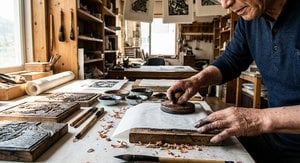
The Enduring Legacy of Woodblock Printmaking: Technique, History & Artistic Expression
Explore the rich history of woodblock printmaking – from ancient techniques to Ukiyo-e masterpieces. Discover expert insights on collecting, preserving & appreciating this enduring art form.

Japonisme: How Japanese Woodblock Prints Revolutionized Western Art
Explore the profound impact of Japonisme on Western art. Discover how Japanese ukiyo-e woodblock prints revolutionized perspective, color, and composition for masters like Monet and Van Gogh, forever changing the course of modern art history.

Tsukioka Yoshitoshi: A Master of Ukiyo-e's Final Flourish – Narrative, Innovation, and the Meiji Transition
Explore the life & art of Tsukioka Yoshitoshi, the last great master of ukiyo-e woodblock printing. Discover his dramatic warrior prints, innovative series like 'One Hundred Aspects of the Moon,' and legacy reflecting Japan's Meiji transition.

Utagawa Kuniyoshi: A Master of Japanese Ukiyo-e – Narrative Innovation & the Fusion of Tradition with Popular Culture
Explore the captivating world of Utagawa Kuniyoshi, a master of Japanese ukiyo-e woodblock prints. Discover his innovative warrior scenes, vibrant landscapes & lasting legacy in 19th-century art history.

Katsushika Hokusai: Las 25 Obras Maestras del Ukiyo-e que Transformaron el Arte Japonés | ArtsDot
Descubre las 25 obras maestras de Katsushika Hokusai, el genio del ukiyo-e. Explora 'La Gran Ola', paisajes japoneses y su impacto en el arte moderno. Reproducciones de alta calidad para tu hogar en ArtsDot.com.


