


 Vista previa
 Compartir
 Compartir
 Ver detalles

 Descargar
 Ver similares
 Radiografía
 Presentación de diapositivas
Hakone


 Leer más
Reproducción al óleo hecha a mano
Óleo sobre lienzo pintado a mano en el tamaño y marco de su elección, realizado por encargo por nuestros artistas. ( Pedir impresión Comprar descarga)




P118B $10

P118H $10

P118W $10

P438Z $10

P508JH $12

P508YH $12

P805H $10

P805Z $10

P919BZ $10

P919G $10

P919XJ $10

P959ZH $10

P968JZ $12

W106C $8

W218G $10

W218JH $8

W218Y $10

W307PJ $10

W316G $10

W316PJ $8

W316Y $10

W398PJ $8

W4111J $10

W500HY $15

W500JH $15

W692G $12

W849H $8

W940BG $15

W953PJ $8




Elija entre nuestros tamaños predefinidos que respetan las proporciones originales de la obra.

Puede ingresar sus propias dimensiones para adaptarse a un marco o espacio específico. Si el tamaño seleccionado no coincide con las proporciones de la imagen original, recortaremos la obra o extenderemos la pintura con elementos adicionales pintados a mano. Se le enviará una maqueta digital para su aprobación antes de comenzar la producción.
Tenga en cuenta que la vista previa en pantalla no refleja el recorte o la extensión reales. Solo la maqueta mostrará con precisión la composición final.
Si bien existen tamaños personalizados, recomendamos seleccionar una dimensión de la lista predefinida para preservar las proporciones originales.
Tras realizar el pedido, el equipo de ArtsDot.com enviará un correo electrónico al cliente para solicitar instrucciones y proporcionarle una vista previa del boceto.
Envío a todo el mundo () en 3-4 semanas en lugar de las 5 semanas estándar. (15 agosto). Sin comprometer la calidad.

Envío exprés gratuito a todo el mundo

Lienzo de lino de alta calidad

Seguro de envío completo

Garantía de reembolso de aranceles aduaneros

Garantía de fidelidad cromática exacta

Política de devolución de 60 días (solo por defectos)

Garantía de devolución del 100% del dinero

Oferta por volumen
 La opción de vidrio solo está disponible en tamaños inferiores a 110 cm.

Hakone
Técnica de reproducción
Tamaño de la reproducción
-


Precio total
$ 263
Descripción de la obra
A Glimpse of Tranquility: Utagawa Hiroshige's "Hakone"
Utagawa Hiroshige’s “Hakone,” created in 1834, is more than just a landscape; it's a poetic meditation on the beauty and transience of nature within Edo-period Japan. This woodblock print, part of his renowned series "The Fifty-three Stations of the Tōkaidō," captures a specific moment along the vital trade route connecting Tokyo (then Edo) with Kyoto. However, Hiroshige elevates this seemingly simple depiction of a mountain pass into something profoundly evocative, inviting viewers to share in the quiet contemplation of a traveler pausing amidst breathtaking scenery.
The Artist and His Vision
Hiroshige (1797-1858), considered the last great master of *ukiyo-e*, possessed an unparalleled ability to translate the essence of a place onto paper. Born in Tokyo, his early life was steeped in samurai tradition before he embraced art under Utagawa Toyohiro. Hiroshige’s genius lay not merely in replicating what he saw but in imbuing it with emotion and atmosphere. He moved beyond the typical *ukiyo-e* focus on portraits of actors or courtesans, choosing instead to celebrate the natural world—the mountains, rivers, and roads that shaped Japanese life. His travels along the Tōkaidō provided him with a wealth of inspiration, allowing him to meticulously document the changing landscapes and capture the spirit of each station.
A Composition of Harmony: Technique and Symbolism
“Hakone” exemplifies Hiroshige’s masterful technique in woodblock printing. The print showcases a layered approach, using multiple blocks for different colors and tones to create depth and nuance. Notice how the snow-capped peaks recede into the distance, rendered with subtle gradations of blue and grey that convey atmospheric perspective. The trees, scattered across the hillside, are not merely decorative elements but contribute to the overall sense of scale and tranquility. The body of water reflects the sky, creating a mirror image that doubles the beauty of the scene. A lone figure stands near the center, seemingly absorbed in the grandeur before them—a silent participant in this serene vista. This inclusion is significant; it humanizes the landscape, reminding us of our place within nature's vastness and inviting viewers to imagine themselves experiencing this moment firsthand.
Historical Context and Enduring Legacy
The Tōkaidō was a vital artery for commerce and communication in Edo-period Japan. Hiroshige’s series documenting its stations served not only as visual guides for travelers but also as celebrations of the nation's geography and culture. “Hakone,” with its challenging terrain and stunning views, represents a moment of respite along this arduous journey. The print reflects a broader cultural appreciation for nature in Edo Japan, where landscapes were increasingly valued for their aesthetic qualities. Hiroshige’s work had a profound impact on Western art, particularly influencing the Impressionist movement. Artists like Monet and Van Gogh drew inspiration from his compositions and color palettes, recognizing the power of capturing fleeting moments of beauty.
An Invitation to Contemplation
“Hakone” is more than just a beautiful image; it’s an invitation to pause, reflect, and appreciate the simple wonders of the natural world. The print's quiet elegance and subtle details create a sense of peace and tranquility that transcends time and culture. Whether you are an art enthusiast, a collector seeking a piece of Japanese heritage, or simply someone looking for a calming presence in your home, Hiroshige’s “Hakone” offers a timeless glimpse into the beauty of Edo-period Japan.
Obras relacionadas


Biografía del artista
biografía de un ícono del arte japonés
Utagawa Hiroshige, un renombrado artista ukiyo-e japonés, vivió de 1797 a 1858. Es ampliamente considerado como el último gran maestro de este género tradicional. La obra de Hiroshige se caracteriza por su enfoque poético y ambiental, lo que la distingue de las impresiones más audaces y formales de sus contemporáneos.estilo artístico y técnicas
El uso del color por parte de Hiroshige fue sutil pero esencial en sus grabados. A menudo empleaba múltiples impresiones en el mismo área, utilizando la técnica de bokashi (gradación de color), que era laboriosa pero resultó en un efecto visual único. Sus obras más famosas incluyen las cincuenta y tres estaciones del Tōkaidō y las cien vistas famosas de Edo, ambas mostrando su dominio de las series de paisajes.influencia en el arte occidental
La obra de Hiroshige tuvo un profundo impacto en el arte occidental, particularmente durante la tendencia japonista a finales del siglo XIX. Artistas como Édouard Manet y Claude Monet fueron influenciados por los grabados japoneses, mientras que los postimpresionistas como Vincent van Gogh coleccionaron y estudiaron las composiciones de Hiroshige.legado y desarrollo
Tras la muerte de Hiroshige en 1858, el género ukiyo-e experimentó un rápido declive debido a la occidentalización tras la restauración Meiji de 1868. Sin embargo, su influencia en el arte occidental sigue siendo significativa, con muchos artistas que continúan inspirándose en sus obras.- el movimiento artístico ukiyo-e - descubre más sobre el género que definió la obra de Hiroshige.
- ukiyo-e en wikipedia - explora la historia y la importancia del ukiyo-e en el arte japonés.
- museo de arte fuji - descubre un museo renombrado que exhibe tanto el arte japonés como el occidental, incluyendo obras inspiradas en el estilo de Hiroshige.

Utagawa Hiroshige
1797 - 1858 , Japón
Datos clave
- Artistas Que Influyeron: ['Katsushika Hokusai']
- Estilo Artístico: Ukiyo-e
- Fecha De Fallecimiento: 1858
- Fecha De Nacimiento: 1797
- Influencia En Artistas:
- Édouard Manet
- Claude Monet
- Vincent van Gogh
- Lugar De Nacimiento: Tokio, Japón
- Nacionalidad: Japonés
- Nombre Completo: Utagawa Hiroshige
- Obras Notables:
- Las 53 estaciones del Tokaido
- 100 vistas famosas de Edo
Artículos relacionados

Katsushika Hokusai: Las 25 Obras Maestras del Ukiyo-e que Transformaron el Arte Japonés | ArtsDot
Descubre las 25 obras maestras de Katsushika Hokusai, el genio del ukiyo-e. Explora 'La Gran Ola', paisajes japoneses y su impacto en el arte moderno. Reproducciones de alta calidad para tu hogar en ArtsDot.com.

Ukiyo-e's Greatest Hits: 10 Masterpieces That Shaped a Movement | ArtsDot
Journey into Japan's 'Floating World'! Explore 10 Ukiyo-e masterpieces by Hokusai, Hiroshige & more. Discover the stories behind these iconic woodblock prints and bring timeless Japanese art to your home with ArtsDot.com. Explore the full collection online.

Ukiyo-e: Un Viaje al Corazón del Mundo Flotante Japonés y su Legado Artístico
Descubre el fascinante mundo del Ukiyo-e, el arte japonés del Período Edo. Explora las técnicas de grabado, los maestros Hokusai y Hiroshige, y su legado perdurable. ¡Un viaje cultural inolvidable!

Ukiyo-e's Poetic Visionary: Hiroshige Ando & the Transformation of Landscape in 19th-Century Japan
Explore the life & art of Ando Hiroshige, Japan's last great ukiyo-e master. Discover his iconic landscapes, poetic style, and profound influence on Western Impressionism. Learn about The Fifty-Three Stations & more!
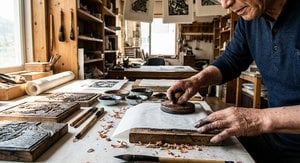
The Enduring Legacy of Woodblock Printmaking: Technique, History & Artistic Expression
Explore the rich history of woodblock printmaking – from ancient techniques to Ukiyo-e masterpieces. Discover expert insights on collecting, preserving & appreciating this enduring art form.



