

 Ver en contexto
 Enviar
 Compartir
 Detalles
 Guía
Guía

 Descargar
 Similares
 Radiografía
 Presentación de diapositivas
 Q&A
Q&A Estadísticas
Dog


 Ver más
Giclée / Impresión de arte
Impresiones giclée o en lienzo de calidad de museo con producción rápida y opciones de acabado flexibles. ( Comprar pintura hecha a mano Cambiar a imagen digital)




P118B €10

P118H €10

P118W €10

P438Z €10

P508JH €12

P508YH €12

P805H €10

P805Z €10

P919BZ €10

P919G €10

P919XJ €10

P959ZH €10

P968JZ €12

W106C €8

W218G €10

W218JH €8

W218Y €10

W307PJ €10

W316G €10

W316PJ €8

W316Y €10

W398PJ €8

W4111J €10

W500HY €15

W500JH €15

W692G €12

W849H €8

W940BG €15

W953PJ €8




Elija entre nuestros tamaños predefinidos que respetan las proporciones originales de la obra.

Introduzca el ancho y el alto que necesite para adaptarse a su marco o pared. Una impresión solo puede recortarse, nunca hacerse más grande que la imagen original, por lo que un tamaño con una forma distinta perderá parte de la obra. Le enviaremos una maqueta digital para su aprobación antes de realizar cualquier impresión. La imagen que se muestra en esta página no refleja el recorte real; solo la maqueta lo hace.
Envío a todo el mundo () en 2 semanas en lugar de las 4/5 semanas estándar. (2 noviembre)

Envío exprés gratuito a todo el mundo

Lienzo de lino de alta calidad

Seguro de envío total

Garantía de reembolso de aranceles aduaneros

Garantía de fidelidad cromática exacta

Política de devolución de 100 días (solo por defectos)

Garantía de devolución del 100% del dinero

Descuento por cantidad
 La opción de vidrio solo está disponible en tamaños inferiores a 110 cm.

Dog
Giclée / Impresión de arte
Dimensiones de la reproducción
-


Precio total final
€ 55
A Poetic Vision of Edo Japan: The Life and Art of Utagawa Hiroshige
Utagawa Hiroshige (1797 – 1858), born Andō Tokutarō in the vibrant heart of Edo (modern Tokyo), remains an undisputed titan amongst *ukiyo-e* artists, a master who elevated woodblock printing beyond mere visual representation into a vehicle for profound artistic expression. His oeuvre captures not just landscapes but also the very spirit of Japan during its golden age – a period characterized by stability under the Tokugawa shogunate yet simultaneously grappling with burgeoning Western influences that would ultimately reshape Japanese culture and aesthetics. Hiroshige’s journey from a samurai family lineage to a celebrated artist exemplifies the transformative power of passion and talent, demonstrating how individuals can defy societal expectations and forge their own distinctive paths.The Landscape as Meditation
Hiroshige's artistic vision wasn’t simply about depicting scenery; it was about conveying emotion. He approached his subjects with meticulous observation combined with an intuitive understanding of Japanese aesthetics – a tradition deeply rooted in Zen Buddhism, which emphasized contemplation and harmony with nature. Unlike earlier landscape prints that prioritized detailed topographical accuracy, Hiroshige deliberately blurred lines and softened contours, creating atmospheric vistas that evoke feelings of serenity and melancholy. This technique—known as *yakusha-ga*, or “artist’s perspective”—allowed him to capture the elusive beauty of fleeting moments and imbue his images with a palpable sense of mood. Consider "Snow Viewing," arguably Hiroshige's most iconic work, where the muted palette and hazy mountains convey not just visual splendor but also an underlying feeling of solitude and contemplation—a reflection of the Zen ideal of emptying oneself of worldly concerns to appreciate the sublime grandeur of existence.Technique and Craftsmanship: Mastering Woodblock Printing
Hiroshige’s mastery lay in his unparalleled command of *hoshi-e*, or “starry print” technique. This method demanded extraordinary precision and patience from both artist and printer, reflecting the meticulous craftsmanship that underpinned Japanese artistic traditions. The process began with a detailed sketch rendered on paper—often transferred to woodblocks using mica dust—followed by carving intricate lines into the block surface using specialized tools. These blocks were then inked with pigment mixed with varnish, and pressed onto dampened paper multiple times to achieve layered tonal effects – a technique that distinguishes *hoshi-e* from simpler monochrome prints. The resulting images possessed remarkable depth and luminosity, capturing subtle gradations of color and texture that would have been impossible to reproduce accurately by hand painting. Hiroshige’s dedication to perfecting this craft ensured that his landscapes retained an unparalleled sense of realism while simultaneously conveying a deeply felt emotional resonance.Historical Context: Edo Japan Under Western Influence
Hiroshige's artistic output coincided with a period of significant upheaval in Japan as Western powers began exerting increasing influence on its affairs. The arrival of Commodore Perry’s fleet in 1853 forced the Tokugawa shogunate to reconsider its isolationist policies, ushering in an era of rapid modernization and cultural exchange. While Hiroshige remained largely unaffected by these political developments—his artistic pursuits focused primarily on capturing the beauty of Japan's natural world—his work nevertheless reflects a subtle awareness of the changing times. The inclusion of figures like travelers or pilgrims within his landscapes speaks to the growing importance of individual experience and spiritual reflection amidst the pressures of societal transformation. Hiroshige’s art serves as a poignant reminder that even during periods of dramatic change, artistic traditions can endure—preserving values and aesthetics rooted in Japan's past while simultaneously anticipating its future.Symbolism and Emotional Resonance: Beyond Mere Representation
Hiroshige’s prints transcend mere visual depiction; they are imbued with symbolic meaning that speaks to fundamental human concerns. Recurring motifs such as pine trees, cranes, and snow—each carrying specific connotations within Japanese culture—contribute to the overall emotional impact of his compositions. Pine trees symbolize longevity and resilience, mirroring the enduring spirit of Japan itself, while cranes represent happiness and aspiration – emblems of hope amidst adversity. The depiction of snow evokes feelings of purity and tranquility, reflecting Zen Buddhist ideals of emptiness and enlightenment. Hiroshige’s ability to evoke such profound emotions through visual imagery solidified his reputation as one of Japan's greatest landscape artists—a testament to the transformative power of art to communicate ideas and sensations beyond the confines of language.Preguntas y respuestas
¿Cómo se describe la atmósfera de "Dog" de Utagawa Hiroshige?
"Dog" transmite una atmósfera Serene.
¿Es "Dog" de Utagawa Hiroshige una pintura, un dibujo o un grabado?
"Dog" de Utagawa Hiroshige está clasificada como wall art. Esta categoría describe la técnica o el tipo de obra de arte que representa el original.
¿Cómo puedo ver una vista previa de una reproducción de "Dog" de Utagawa Hiroshige?
La página de Vista previa de la obra de "Dog" le permite previsualizar la obra antes de realizar su pedido.
Obras relacionadas


Biografía del artista
biografía de un ícono del arte japonés
Utagawa Hiroshige, un renombrado artista ukiyo-e japonés, vivió de 1797 a 1858. Es ampliamente considerado como el último gran maestro de este género tradicional. La obra de Hiroshige se caracteriza por su enfoque poético y ambiental, lo que la distingue de las impresiones más audaces y formales de sus contemporáneos.estilo artístico y técnicas
El uso del color por parte de Hiroshige fue sutil pero esencial en sus grabados. A menudo empleaba múltiples impresiones en el mismo área, utilizando la técnica de bokashi (gradación de color), que era laboriosa pero resultó en un efecto visual único. Sus obras más famosas incluyen las cincuenta y tres estaciones del Tōkaidō y las cien vistas famosas de Edo, ambas mostrando su dominio de las series de paisajes.influencia en el arte occidental
La obra de Hiroshige tuvo un profundo impacto en el arte occidental, particularmente durante la tendencia japonista a finales del siglo XIX. Artistas como Édouard Manet y Claude Monet fueron influenciados por los grabados japoneses, mientras que los postimpresionistas como Vincent van Gogh coleccionaron y estudiaron las composiciones de Hiroshige.legado y desarrollo
Tras la muerte de Hiroshige en 1858, el género ukiyo-e experimentó un rápido declive debido a la occidentalización tras la restauración Meiji de 1868. Sin embargo, su influencia en el arte occidental sigue siendo significativa, con muchos artistas que continúan inspirándose en sus obras.- el movimiento artístico ukiyo-e - descubre más sobre el género que definió la obra de Hiroshige.
- ukiyo-e en wikipedia - explora la historia y la importancia del ukiyo-e en el arte japonés.
- museo de arte fuji - descubre un museo renombrado que exhibe tanto el arte japonés como el occidental, incluyendo obras inspiradas en el estilo de Hiroshige.

Utagawa Hiroshige
1797 - 1858 , Japón
Datos clave
- Artistas Que Influyeron: ['Katsushika Hokusai']
- Estilo Artístico: Ukiyo-e
- Fecha De Fallecimiento: 1858
- Fecha De Nacimiento: 1797
- Influencia En Artistas:
- Édouard Manet
- Claude Monet
- Vincent van Gogh
- Lugar De Nacimiento: Tokio, Japón
- Nacionalidad: Japonés
- Nombre Completo: Utagawa Hiroshige
- Obras Notables:
- Las 53 estaciones del Tokaido
- 100 vistas famosas de Edo
Artículos relacionados

Ukiyo-e's Poetic Visionary: Hiroshige Ando & the Transformation of Landscape in 19th-Century Japan
Explore the life & art of Ando Hiroshige, Japan's last great ukiyo-e master. Discover his iconic landscapes, poetic style, and profound influence on Western Impressionism. Learn about The Fifty-Three Stations & more!

Floating World: The Captivating Art and Legacy of Japanese Ukiyo-e
Explore the profound beauty of Japanese Ukiyo-e. Discover the history, masters like Hokusai, and the enduring legacy of the 'Floating World' through an expert art-historical lens.

Dominando la Gran Ola: Las 25 Obras Maestras de Katsushika Hokusai
Explora las 25 obras maestras de Hokusai y el alma del ukiyo-e. Descubre reproducciones de museo en ArtsDot.com.
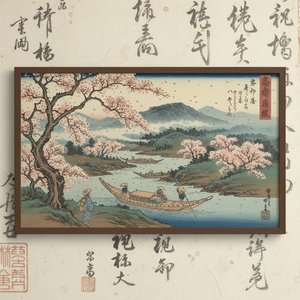
Ephemeral Landscapes: Hiroshige's Poetics of Transient Beauty in Edo Japan
Explore the captivating world of Utagawa Hiroshige's ukiyo-e landscapes. Discover his artistic innovations, influence on Western art, and the poetics of transient beauty in Edo period Japan. A guide for collectors & enthusiasts.
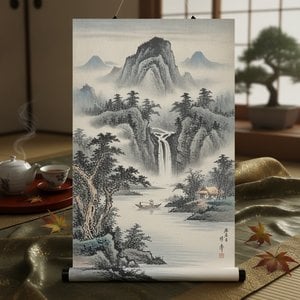
Serenity on Canvas: A Guide to the Timeless Beauty of Japanese Landscape Painting
Discover the serene beauty of Japanese landscape painting. From Hokusai's iconic woodblock prints to meditative sumi-e ink washes, explore a visual journey through the 'floating world' and learn how to bring this timeless Zen aesthetic into your modern home decor.


