


 Vista previa
 Compartir
 Compartir
 Ver detalles
 Guía
Guía

 Descargar
 Ver artículos similares
 Radiografía
 Presentación de diapositivas
 Estadísticas
La Jaseur


 Leer más
Reproducción al óleo hecha a mano
Óleo sobre lienzo pintado a mano en el tamaño y marco de su elección, realizado por encargo por nuestros artistas. ( Cambiar a formato impreso Ver versión en imagen digital)




P118B $10

P118H $10

P118W $10

P438Z $10

P508JH $12

P508YH $12

P805H $10

P805Z $10

P919BZ $10

P919G $10

P919XJ $10

P959ZH $10

P968JZ $12

W106C $8

W218G $10

W218JH $8

W218Y $10

W307PJ $10

W316G $10

W316PJ $8

W316Y $10

W398PJ $8

W4111J $10

W500HY $15

W500JH $15

W692G $12

W849H $8

W940BG $15

W953PJ $8




Elija entre nuestros tamaños predefinidos que respetan las proporciones originales de la obra.

Puede ingresar sus propias dimensiones para adaptarse a un marco o espacio específico. Si el tamaño seleccionado no coincide con las proporciones de la imagen original, recortaremos la obra o extenderemos la pintura con elementos adicionales pintados a mano. Se le enviará una maqueta digital para su aprobación antes de comenzar la producción.
Tenga en cuenta que la vista previa en pantalla no refleja el recorte o la extensión reales. Solo la maqueta mostrará con precisión la composición final.
Si bien existen tamaños personalizados, recomendamos seleccionar una dimensión de la lista predefinida para preservar las proporciones originales.
Tras realizar el pedido, el equipo de ArtsDot.com enviará un correo electrónico al cliente para solicitar instrucciones y proporcionarle una vista previa del boceto.
Envío a todo el mundo () en 3-4 semanas en lugar de las 5 semanas estándar. (21 septiembre). Sin comprometer la calidad.

Envío exprés gratuito a todo el mundo

Lienzo de lino de alta calidad

Seguro de envío completo

Garantía de reembolso de impuestos aduaneros

Garantía de fidelidad cromática exacta

Política de devolución de 100 días (solo por defectos)

Garantía de devolución del 100% del dinero

Oferta por volumen
 La opción de vidrio solo está disponible en tamaños inferiores a 110 cm.

La Jaseur
Técnica de reproducción
Tamaño de la reproducción
-


Precio total
$ 263
An Intimate Moment Captured in Gold
In the quiet, sun-drenched corners of early twentieth-century American life, Thomas Wilmer Dewing found his most profound inspirations. His 1907 masterpiece, La Jaseur, serves as a breathtaking window into a world of refined tranquility and social grace. This oil on panel work, currently preserved within the esteemed Minneapolis Institute of Arts, invites the viewer to step into a private sanctuary where time seems to slow. The painting depicts three women gathered around a dining table, their presence woven into a scene of soft light and gentle conversation. As they sit amidst the warmth of yellow walls, the composition breathes with a sense of shared intimacy, capturing not just a social gathering, but a fleeting moment of pure, unadulterated serenity.
The technical mastery of Dewing is on full display through his signature Tonalist approach. Eschewing harsh outlines for a more atmospheric delivery, he utilizes delicate brushstrokes and a harmonious palette to create a dreamlike quality that borders on the ethereal. The medium of oil on panel allows for an exquisite level of detail, from the subtle textures of the women's elegant attire to the soft glow reflecting off the tea service. There is a deliberate softness to the colors—creams, golds, and muted tones—that envelops the subjects, ensuring that the viewer feels the warmth of the room as much as they see it. This technique does more than merely replicate reality; it evokes a mood of sophisticated calm, making the painting feel like a cherished memory rather than a mere observation.
Symbolism and the Aesthetic Spirit
Beyond its surface beauty, La Jaseur is deeply rooted in the principles of American Aestheticism. Dewing was a master at portraying aristocratic women not as mere subjects, but as symbols of grace and introspective beauty. The arrangement of the three women, engaged in their quiet ritual of tea or coffee, speaks to the importance of domestic harmony and the cultivation of refined leisure. Every element, from the carefully placed vase on the table to the elegant furnishings, contributes to a larger narrative of stability and class. The soft, golden light permeating the room acts as a metaphor for the idealized, peaceful existence that Dewing sought to portray—a world shielded from the industrial clamor of the era.
For the discerning collector or interior designer, this piece offers more than just visual appeal; it provides an emotional anchor. The painting possesses a unique ability to transform a space, lending an air of timeless sophistication and quiet luxury to any room. Whether placed in a sunlit study or a formal dining area, La Jaseur acts as a focal point of peace. Its subtle complexity rewards repeated viewing, revealing new layers of light and shadow each time. Owning a high-quality reproduction of this work allows one to bring the evocative, dreamlike essence of Dewing’s vision into the modern home, serving as a permanent reminder of the beauty found in life's most quiet and elegant intersections.
Obras relacionadas


Biografía del artista
**Primeros años y formación**
Thomas Wilmer Dewing, un pintor estadounidense, nació el 4 de mayo de 1851 en Boston, Massachusetts. Su viaje artístico comenzó con un aprendizaje como litógrafo, lo que más tarde le llevó a la prestigiosa Académie Julian en París, donde estudió bajo la tutela de Gustave Boulanger y Jules Lefebvre a partir de 1887. Esta formación académica fue crucial para el desarrollo de su estilo distintivo.**Estilo artístico y obras notables**
El estilo artístico de Dewing se caracteriza por sus pinturas tonalistas, un género profundamente arraigado en el esteticismo inglés. Sus temas preferidos eran mujeres aristocráticas, a menudo representadas en entornos melancólicos y oníricos, tocando instrumentos o participando en actividades introspectivas. * **Mujer con vestido negro: retrato de Maria Oakey Dewing** (1887), un conmovedor óleo sobre panel, muestra a su esposa, una pintora consumada con una extensa formación artística formal. * **La dama dorada** (1912), ahora en el Museo de Brooklyn, ejemplifica su maestría para capturar la esencia de sus sujetos. Su paleta de colores suaves y su enfoque en la atmósfera contribuyeron a crear un ambiente de ensueño que se convirtió en una marca registrada de su obra.**Enseñanza y asociaciones**
Dewing fue miembro fundador de The Ten American Painters en 1898 y enseñó en la Art Students League of New York. Su asociación con la Society of Landscape Painters, fundada en 1899, solidificó aún más su posición dentro del movimiento tonalista. Estas conexiones profesionales le permitieron interactuar con otros artistas influyentes de su época y contribuir al desarrollo del arte estadounidense.**Legado y colecciones**
La Galería Freer de Arte del Smithsonian Institution tiene una sala dedicada a las obras de Dewing, lo que subraya la importancia de su contribución al arte americano. Coleccionistas notables incluyen John Gellatly y Charles Lang Freer, quienes reconocieron el valor artístico de sus pinturas durante su vida. Su obra se caracteriza por una delicadeza y una sensibilidad únicas, que continúan atrayendo a los entusiastas del arte en la actualidad.**Vida posterior y fallecimiento**
La producción artística de Dewing disminuyó después de 1920. Falleció en Nueva York el 5 de noviembre de 1938, dejando atrás un legado de cautivadores y etéreos retratos que siguen intrigando a los amantes del arte. Su influencia se puede apreciar en la continua admiración por su estilo tonalista y su habilidad para capturar la belleza interior de sus sujetos femeninos.**Obras clave disponibles para reproducción en ArtsDot:**
- El vestido blanco
- Mujer con vestido negro: retrato de Maria Oakey Dewing
- La dama dorada

Thomas Wilmer Dewing
1851 - 1938 , Estados Unidos de América
Datos clave
- Artistas Que Influyeron:
- Gustave Boulanger
- Jules Lefebvre
- Fecha De Fallecimiento: 5 de noviembre de 1938
- Fecha De Nacimiento: 4 de mayo de 1851
- Lugar De Nacimiento: Boston, Estados Unidos
- Movimiento Artístico: Tonalismo, Esteticismo
- Nacionalidad: Estadounidense
- Nombre Completo: Thomas Wilmer Dewing
- Obras Notables:
- Mujer en negro
- Lady in Gold
- El vestido blanco
Artículos relacionados

El Regreso del Fresco: Murales de Lujo para un Diseño Exclusivo
Descubre el arte del fresco: guía completa sobre técnicas, diseño y aplicaciones de lujo. Expertos en murales personalizados para hoteles y espacios exclusivos. ¡Transforma tu espacio con !
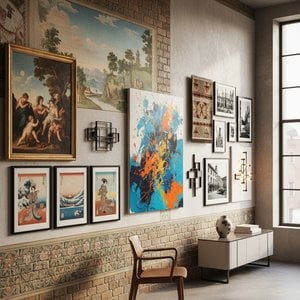
Transforming Spaces: A Comprehensive Exploration of Wall Decor Through Art History & Contemporary Practice
Explore the art of transforming spaces with our comprehensive guide to wall decor. From historical movements to contemporary trends, discover how to curate impactful interiors and commission bespoke artwork for a truly personalized aesthetic.

The Enduring Muse: Women as Subject & Symbol in Art History
Explore the rich history of women in art – from iconic muses to groundbreaking artists. Discover feminist movements, global perspectives & reclaim female narratives with ArtsDot.
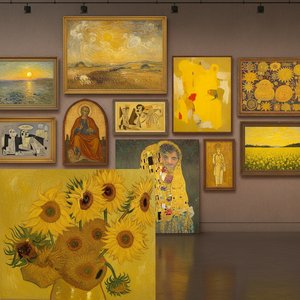
Los 10 cuadros más famosos dominados por el 'amarillo cromo': Arte y decoración
Descubre los 10 cuadros más emblemáticos dominados por el 'amarillo cromo': Van Gogh, Monet y otros maestros. Historia del arte, técnicas y decoración con lienzos impresionistas. ¡Explora la colección completa en ArtsDot.com!
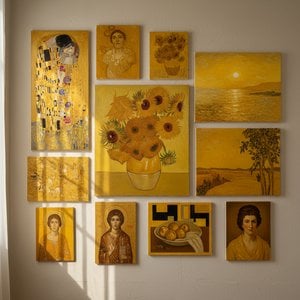
Los 10 cuadros más famosos dominados por el ocre amarillo: Arte y decoración atemporal
Descubre los 10 cuadros más famosos con tonos ocres amarillos. Explora la historia de Van Gogh, Monet y otros artistas clave del impresionismo y postimpresionismo. Encuentra reproducciones de arte de museo en .

