

 Ver en contexto
 Enviar
 Compartir
 Detalles
 Guía
Guía

 Descargar
 Similares
 Radiografía
 Presentación de diapositivas
 Preguntas y respuestas
 Estadísticas
Prometheus Bound

- 243.0 x 162.0 cm


 Ver más
Giclée / Impresión de arte
Impresiones giclée o en lienzo de calidad de museo con producción rápida y opciones de acabado flexibles. ( Comprar pintura hecha a mano Cambiar a imagen digital)




P118B €10

P118H €10

P118W €10

P438Z €10

P508JH €12

P508YH €12

P805H €10

P805Z €10

P919BZ €10

P919G €10

P919XJ €10

P959ZH €10

P968JZ €12

W106C €8

W218G €10

W218JH €8

W218Y €10

W307PJ €10

W316G €10

W316PJ €8

W316Y €10

W398PJ €8

W4111J €10

W500HY €15

W500JH €15

W692G €12

W849H €8

W940BG €15

W953PJ €8




Elija entre nuestros tamaños predefinidos que respetan las proporciones originales de la obra.

Introduzca el ancho y el alto que necesite para adaptarse a su marco o pared. Una impresión solo puede recortarse, nunca hacerse más grande que la imagen original, por lo que un tamaño con una forma distinta perderá parte de la obra. Le enviaremos una maqueta digital para su aprobación antes de realizar cualquier impresión. La imagen que se muestra en esta página no refleja el recorte real; solo la maqueta lo hace.
Envío a todo el mundo () en 2 semanas en lugar de las 4/5 semanas estándar. (18 noviembre)

Envío exprés gratuito a todo el mundo

Lienzo de lino de alta calidad

Seguro de envío total

Garantía de reembolso de aranceles aduaneros

Garantía de fidelidad cromática exacta

Política de devolución de 100 días (solo por defectos)

Garantía de devolución del 100% del dinero

Descuento por cantidad
 La opción de vidrio solo está disponible en tamaños inferiores a 110 cm.

Prometheus Bound
Giclée / Impresión de arte
Dimensiones de la reproducción
-


Precio total final
€ 56
The Weight of Myth: Thomas Cole’s “Prometheus Bound”
Thomas Cole's "Prometheus Bound," painted in 1847, isn’t merely a landscape; it’s a profound meditation on defiance, punishment, and the enduring human spirit. This monumental canvas, now residing within the Fine Arts Museums of San Francisco, transcends its subject matter to become a powerful allegory for the struggles inherent in challenging authority and forging one's own destiny. Cole, a pivotal figure in the Hudson River School movement, masterfully blends Romanticism with an underlying moral urgency, creating an image that continues to resonate deeply with viewers today.
The scene depicts Prometheus, chained to a towering rock formation amidst a desolate, snow-laden mountainscape. The composition is strikingly dramatic – a vast expanse of jagged peaks dominates the background, dwarfing the solitary figure of the Titan and emphasizing his isolation and vulnerability. A vulture circles overhead, a constant reminder of Zeus’s relentless retribution, while a subtle hint of Jupiter, the Roman equivalent of Zeus, watches from above, embodying the cold indifference of divine power. Cole's use of light is particularly masterful; a diffused, almost ethereal glow illuminates the scene, casting long shadows and creating an atmosphere of both grandeur and despair. The color palette—primarily cool blues, grays, and whites—reinforces this sense of bleakness, punctuated by the fiery red underpaint used to render the snow-covered mountains – a deliberate choice that subtly hints at Prometheus’s stolen fire.
A Myth Made Manifest: Exploring the Narrative
The painting draws directly from Aeschylus's Greek tragedy, “Prometheus Bound,” a story of rebellion against the gods. Prometheus, in this narrative, is not simply a titan but a symbol of humanity’s relentless pursuit of knowledge and progress. He steals fire from Mount Olympus, gifting it to mankind – an act of defiance that ultimately earns him eternal torment at the hands of Zeus. Cole doesn't shy away from the brutality of the punishment; the stark depiction of Prometheus’s chains and the looming threat of the vulture vividly convey the weight of his transgression. However, within this scene of suffering, there is also a palpable sense of resilience. Prometheus’s gaze, fixed upon the viewer, exudes an almost defiant serenity—a refusal to succumb to despair.
The inclusion of the chorus, comprised of figures emerging from the depths of the mountains, adds another layer of complexity to the narrative. They represent the forces of nature, witnesses to Prometheus's plight, and perhaps even a subtle acknowledgment of his heroic struggle. Their hesitant approach, marked by curiosity and apprehension, suggests that even those seemingly untouched by divine wrath recognize the significance of Prometheus’s actions.
The Hudson River School: A New American Vision
“Prometheus Bound” is a quintessential example of the Hudson River School's artistic philosophy. Unlike earlier European landscape paintings that often focused on idyllic pastoral scenes, Cole sought to capture the raw power and sublime beauty of the American wilderness. He employed a technique known as “atmospheric perspective,” subtly blurring distant elements to create a sense of depth and vastness. This approach wasn’t simply about replicating reality; it was about conveying an emotional response—a feeling of awe and reverence for nature's grandeur.
Cole’s work also reflects the burgeoning American identity of the mid-19th century, grappling with themes of independence, self-reliance, and the relationship between humanity and the natural world. The painting can be interpreted as a metaphor for America’s own struggle to assert its sovereignty against established powers – a sentiment particularly relevant in the context of westward expansion and the nation's growing tensions with European empires.
A Timeless Masterpiece: Reproduction & Beyond
Reproductions of “Prometheus Bound” offer an exceptional opportunity to bring this powerful image into any setting. The meticulous detail, evocative atmosphere, and profound symbolism ensure that a high-quality reproduction will serve as both a beautiful work of art and a compelling conversation piece. Consider framing the artwork in a manner that complements its dramatic scale and reinforces its thematic resonance – perhaps within a contemporary interior space to juxtapose the ancient myth with modern life.
For those seeking an authentic experience, exploring the original painting at the Fine Arts Museums of San Francisco is highly recommended. It’s a truly immersive encounter with one of America's most significant artistic achievements—a testament to Thomas Cole’s genius and a timeless exploration of human courage in the face of overwhelming adversity.
Preguntas y respuestas
¿En qué estancia del hogar quedaría bien una reproducción de "Prometheus Bound"?
El espacio recomendado para "Prometheus Bound" de Thomas Cole es un Salón principal. Por supuesto, esta sugerencia puede adaptarse a su decoración.
¿Qué edad tenía Thomas Cole cuando creó "Prometheus Bound"?
Cuando se creó "Prometheus Bound" en 1847, Thomas Cole —nacido/a en 1801— tenía 46 años.
¿Qué sensación transmite "Prometheus Bound" de Thomas Cole?
"Prometheus Bound" de Thomas Cole transmite una sensación Melancólico dentro de un ambiente general Romántico y soñador.
Obras relacionadas


Biografía del artista
La vida y el arte de Thomas Cole
Nacido el 1 de febrero de 1801 en Bolton le Moors, Lancashire, Inglaterra, Thomas Cole comenzó su vida lejos de los paisajes que eventualmente definirían su nombre. Su familia emigró a los Estados Unidos en 1818, buscando un nuevo comienzo en una tierra de territorios vastos y sin cartografiar. En aquellos primeros años, fue un hombre de múltiples oficios, trabajando como grabador y encontrando más tarde un empleo estable como retratista a partir de 1822. Fue, en gran medida, un artista autodidacta, desarrollando su mirada a través de la observación y el estudio de los libros, más que mediante una formación académica formal. Esta independencia de espíritu le permitió contemplar la naturaleza salvaje de América a través de un prisma que era enteramente suyo.
Con el tiempo, su enfoque se desplazó desde los rostros de los individuos hacia la escala grandiosa del mundo natural. Al fundar la Escuela del Río Hudson, proporcionó un lenguaje visual para una nación que aún se estaba definiendo a sí misma. Su obra buscaba a menudo encontrar una resonancia espiritual dentro de los bosques y montañas indómitos, alejándose de las tradiciones estructuradas de Europa. Vivió una vida de observación constante, hallando un significado profundo en el juego de luces y sombras a través de los valles del Nuevo Mundo. Esta dedicación al paisaje perduró hasta su muerte, el 11 de febrero de 1848, en Catskill, Nueva York.
Residencia en Catskill y Nueva York
Tras un periodo de vida en Filadelfia, Thomas Cole se trasladó a Catskill, Nueva York, en 1825. Este traslado resultaría ser el escenario definitorio de su vida y de toda su producción creativa. Para 1827, ya había establecido un estudio permanente en Cedar Grove, una granja en Catskill que le servía tanto de hogar como de espacio de trabajo. Fue en este paisaje donde experimentó su transición fundamental, dejando atrás sus primeros trabajos como retratista para entregarse al estudio profundo y apasionado de la naturaleza salvaje americana.
Su vida doméstica en los Catskills estuvo marcada por una unión trascendental en 1836, cuando contrajo matrimonio con Maria Bartow. Este periodo de estabilidad coincidió con sus años de mayor plenitud creativa, mientras trabajaba desde su estudio para traducir la topografía circundante en lienzos de gran escala. El entorno del valle del río Hudson no era para él un simple telón de fondo para sus sujetos, sino una presencia constante y vibrante en su existencia cotidiana.
El final de su vida llegó con la misma brusquedad que los cambios estacionales que tan a menudo plasmaba en sus óleos. Thomas Cole falleció en Catskill el 11 de febrero de 1848, tras una lucha contra la pleuresía. Dejó tras de sí un legado artístico profundamente arraigado en la tierra y la luz de la región donde había transcurrido sus décadas más formativas.
Técnica y Estilo Artístico
Thomas Cole trabajó primordialmente con óleo sobre lienzo, un medio que le permitió forjar una reputación tanto en el paisaje romántico como en la pintura histórica. Su enfoque consistía, con frecuencia, en situar pequeñas figuras o estructuras solitarias frente a paisajes naturales expansivos y melancólicos. Estas composiciones rara vez eran un mero escenario; con frecuencia poseían un carácter alegórico, utilizando el mundo físico para sugerir significados morales o espirituales más profundos. Poseía una capacidad extraordinaria para plasmar las texturas de la naturaleza salvaje americana, empleando a menudo el juego de luces y sombras para crear una profunda sensación de atmósfera y profundidad.
Su estética era vista a menudo como conservadora, reflejando una cierta resistencia ante los rápidos cambios de su época. A través de su pincelada, ofreció una crítica silenciosa a las tendencias contemporáneas del industrialismo, el urbanismo y el implacable avance de la expansión hacia el oeste. Prefería presentar al Nuevo Mundo como un edén natural e impoluto, un marcado contraste con los paisajes urbanos saturados de smog de la Gran Bretaña de la era de la Revolución Industrial, el entorno en el que creció. Esta predilección por lo indómito sobre el entorno construido otorgó a su obra un carácter distintivo y, con frecuencia, escapista.
- The Oxbow (hacia 1836)
- The Voyage of Life: Childhood (1842)
- The Voyage of Life: Manhood (1842)
- The Voyage of Life: Old Age (1842)
- Prometheus Bound (1847)
Obras Clave y Grandes Series
La producción temprana de Thomas Cole reveló una fascinación creciente por la fuerza indómita del paisaje americano. En 1826, dio vida a Kaaterskill Falls, una obra que capturó la energía vertical de la naturaleza salvaje. A medida que sus ambiciones se expandían, su mirada se desplazó hacia composiciones de mayor complejidad. Hacia 1833, pintó The Titan's Goblet, y para 1836, ya había completado The Oxbow, una pintura que yuxtapone el valle indómito del río frente a la presencia invasiva de las tierras de cultivo. Esta tensión entre lo salvaje y lo civilizado se convirtió en un tema recurrente en su lenguaje visual.
Su empresa más ambiciosa fue la serie de cinco partes titulada The Course of Empire, completada en 1836. A través de estos lienzos, el artista trazó el ascenso y la caída cíclica de las civilizaciones, desde un estado prístino hasta la destrucción inevitable. Este interés por el paso del tiempo y la condición humana persistió durante sus años de madurez. En 1842, plasmó The Voyage of Life, una serie alegórica que representa las etapas de la existencia individual. Sus últimos años marcaron un giro hacia temáticas aún más profundas, a menudo de carácter religioso o mitológico. Esto se hace evidente en The Architect's Dream, pintada alrededor de 1840, y en Prometheus Bound en 1847, una obra de gran escala basada en la tragedia griega. Incluso su trabajo de 1845, The Hunter, reflejó esa capacidad magistral de situar figuras humanas dentro de un valle vasto y bañado por el sol.
- Kaaterskill Falls (1826)
- The Oxbow (1836)
- The Course of Empire (1836)
- The Voyage of Life (1842)
- The Hunter (1845)
- Prometheus Bound (1847)
Círculo, rivales y discípulos
La vida de Thomas Cole estuvo anclada por una red de conexiones íntimas que se extendían desde su familia inmediata hasta los talentos más prometedores de su era. Su hermana, Sarah Cole, compartía su inclinación hacia el paisaje, estableciéndose como una pintora con luz propia. Dentro de su propio hogar, el impulso artístico era un lenguaje compartido; su hija, Emily Cole, siguió un camino distinto pero relacionado, trabajando como artista botánica con acuarelas y aplicando su destreza al delicado medio de la porcelana.
Su influencia profesional se sintió de manera más directa a través de la mentoría de Frederic Edwin Church. Al guiar a Church, Cole aseguró que los principios de la Escuela del Río Hudson encontraran un sucesor poderoso. Este linaje no fue simplemente una cuestión de técnica, sino la transmisión de una forma específica de contemplar la naturaleza salvaje americana. Más allá de sus discípulos formales, Cole mantuvo una amistad profunda y duradera con Daniel Wadsworth, un vínculo que le proporcionó una presencia constante en medio de su prolífica producción artística.
Legado e Influencia Duradera
La partida de Thomas Cole en 1848 dejó un vacío en el paisaje americano que muchos intentaron llenar durante décadas. Como fundador de la Escuela del Río Hudson, proporcionó el primer vocabulario significativo para una nación que buscaba definirse a sí misma a través de su propio suelo y su propio cielo. Su obra trascendió el mero registro de escenarios, estableciendo un lenguaje visual que permitió a las generaciones posteriores de pintores explorar las dimensiones espirituales y morales de la naturaleza salvaje. Este cambio ayudó a transformar el arte estadounidense, pasando de ser una imitación provincial de las tradiciones europeas a convertirse en una fuerza distinta y poderosa.
Su influencia se extendió mucho más allá del círculo inmediato de sus contemporáneos. Al enseñar la importancia de la observación directa combinada con una profunda indagación filosófica, moldeó la trayectoria de la pintura de paisaje americana durante gran parte del siglo XIX. Su capacidad para tejer la alegoría en el mundo natural aseguró que su impacto se sintiera no solo en la estética de la pincelada, sino en la forma misma en que el público percibía la naturaleza indómita de América. Sigue siendo una piedra angular del logro artístico estadounidense, una figura cuya presencia se siente en el estudio continuo de la relación entre la humanidad y el entorno salvaje.
- The Voyage of Life (1842)
- The Course of Empire (completada en 1836)
- The Oxbow (hacia 1836)
- Prometheus Bound (1847)
Dónde ver sus obras hoy en día
Para encontrarse con los rastros físicos de su visión, es necesario viajar hacia los principales repositorios del arte estadounidense. El Metropolitan Museum of Art en Nueva York alberga piezas significativas de su producción, incluyendo su estudio para el "Sueño de Arcadia". En Washington D.C., la National Gallery of Art preserva varios de sus lienzos más importantes, tales como "El viaje de la vida: La infancia", "El viaje de la vida: La madurez" y "El viaje de la vida: La vejez". Estas obras permiten un estudio directo de su enfoque sobre la experiencia humana a través del prisma del paisaje natural.
El Museum of Fine Arts en Boston también mantiene una colección de sus pinturas, ofreciendo una visión más profunda de su evolución artística. Para aquellos que busquen una conexión con su entorno personal, el Sitio Histórico Nacional Thomas Cole en Catskill, Nueva York, conserva la casa y el estudio reales donde vivió y trabajó. Este lugar, conocido como Cedar Grove, brinda una mirada excepcional a los espacios domésticos y creativos que moldearon su vida y sus observaciones del valle del río Hudson.
- The Titan's Goblet (1833)
- The Architect (1840)
- The Hunter (1845)
- Prometheus Bound (1847)

Thomas Cole
1801 - 1848 , Reino Unido
Datos clave
- Artistic Movement Or Style: Escuela del Río Hudson
- Artists Or Movements Influenced By This Artist:
- Frederic Edwin Church
- Escuela del Río Hudson
- Artists Who Influenced This Artist:
- Claude Lorrain
- J.M.W. Turner
- Date Of Birth: 1801
- Date Of Death: 1848
- Full Name: Thomas Cole
- Nationality: Anglo-estadounidense
- Notable Artworks:
- The Oxbow
- The Course of Empire
- The Voyage of Life
- Prometheus Bound
- Place Of Birth: Bolton, Reino Unido
Artículos relacionados

Echoes of Olympus: Mythological Narratives in Western Art Through the Ages
Explore the captivating history of mythological narratives in Western art! From ancient Greece to modern masterpieces, discover iconic artworks & symbolism. Expert analysis and high-quality reproductions at ArtsDot.

Embodying the Polis: Civic Virtue as Subject & Symbol in Western Art
Explore the fascinating history of civic virtue in Western art! From ancient Greece to the French Revolution, discover how artists depicted ideals of citizenship, duty & republicanism. Expert analysis at ArtsDot.
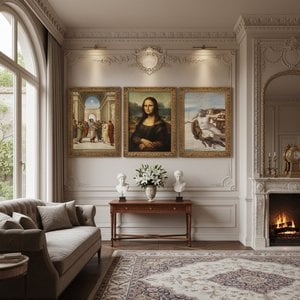
Las 10 Obras Maestras del Renacimiento Superior: Arte, Historia y Decoración
Descubre las 10 obras maestras del Renacimiento Superior: Leonardo, Miguel Ángel, Rafael y Botticelli. Explora su historia, técnica y significado. Reproducciones de arte en alta calidad para decorar tu hogar con elegancia. ¡Encuentra tu obra favorita en !

Wilderness and Wonder: An Exploration of the Sublime in American Romantic Landscape Painting
Explore the power of the sublime through Thomas Cole and the Hudson River School. Discover the majesty of American Romantic landscapes now.

Más Allá de la Imitación: El Resonancia Cultural de la Reproducción Artística y los Coleccionistas Exigentes
Descubre reproducciones de arte excepcionales hechas por artistas expertos. Lienzos personalizados y réplicas fieles con garantía de calidad museo. ¡Preserva el patrimonio visual y eleva tu espacio!


