

 Ver en contexto
 Enviar
 Compartir
 Detalles
 Guía
Guía

 Descargar
 Similares
 Radiografía
 Presentación de diapositivas
 Preguntas y respuestas
 Estadísticas
Cane

 Ver más
La obra de arte que se muestra en esta página está protegida por las leyes de propiedad intelectual, lo que significa que no podemos crear ni vender legalmente una reproducción idéntica. Esta protección se hace cumplir en virtud de acuerdos internacionales como el Convenio de Berna y por las leyes nacionales, incluidas aquellas establecidas por el Ley de derechos de autor de los EE. UU. - Título 17.
Este método cumple plenamente con las normativas de derechos de autor, ya que no implica la copia ni la duplicación de la obra protegida. En su lugar, se trata de una reinterpretación creativa: una nueva pintura influenciada por la original, pero que no es idéntica a ella.
Giclée / Impresión de arte
Impresiones giclée o en lienzo de calidad de museo con producción rápida y opciones de acabado flexibles. ( Comprar pintura hecha a mano Cambiar a imagen digital)




































Elija entre nuestros tamaños predefinidos que respetan las proporciones originales de la obra.

Introduzca el ancho y el alto que necesite para adaptarse a su marco o pared. Una impresión solo puede recortarse, nunca hacerse más grande que la imagen original, por lo que un tamaño con una forma distinta perderá parte de la obra. Le enviaremos una maqueta digital para su aprobación antes de realizar cualquier impresión. La imagen que se muestra en esta página no refleja el recorte real; solo la maqueta lo hace.
Envío a todo el mundo () en 2 semanas en lugar de las 4/5 semanas estándar. (9 noviembre)

Envío exprés gratuito a todo el mundo

Lienzo de lino de alta calidad

Seguro de envío total

Garantía de reembolso de aranceles aduaneros

Garantía de fidelidad cromática exacta

Política de devolución de 100 días (solo por defectos)

Garantía de devolución del 100% del dinero

Descuento por cantidad
 La opción de vidrio solo está disponible en tamaños inferiores a 110 cm.

Cane
Giclée / Impresión de arte
Dimensiones de la reproducción
-


Precio total final
€ 56
Obras relacionadas


Biografía del artista
La Dinastía Tang: Un Crisol de Innovación Artística
La dinastía Tang (618–907) se erige como una época inigualable en la historia y el logro artístico de China, un período caracterizado por la estabilidad política, la prosperidad económica y un ferviente abrazo a la cultura cosmopolita. Surgiendo de las secuelas fragmentadas del colapso de la dinastía Sui —un testimonio de resiliencia en medio de la turbulencia—, los emperadores Tang inauguraron una era que moldeó profundamente la trayectoria del arte, la literatura y la filosofía chinos durante los siglos venideros. Esta edad de oro fue testigo de una experimentación artística sin precedentes, impulsada por el patrocinio real y facilitada por las florecientes rutas comerciales que conectaban a China con Persia, India y Asia Central, lo que resultó en una síntesis asombrosa de estilos y técnicas.- Panorama Político: El reinado del emperador Taizong (6626–649) marcó los años formativos de la dinastía, consolidando el poder mediante la conquista militar y estableciendo estructuras administrativas centralizadas que priorizaban la meritocracia —un concepto revolucionario para su época— sobre el privilegio hereditario. Este compromiso con una gobernanza capaz sustentó las políticas imperiales posteriores, orientadas a fomentar el crecimiento económico y promover el florecimiento cultural.
- Auge Económico: La producción de seda se disparó durante el período Tang, impulsada por la expansión de las redes comerciales y alimentada por innovaciones en la tecnología de tejido. La productividad agrícola aumentó gracias a los avances en los métodos de irrigación y fertilización, reforzando el suministro de alimentos de la nación y sosteniendo a una población urbana en crecimiento. La prosperidad de esta era se extendió más allá de la mera riqueza material; fomentó un vibrante entorno intelectual donde los eruditos debatían ideas filosóficas y los artistas perseguían nuevos horizontes creativos.
- Síntesis Cultural: Chang'an, la capital Tang, se convirtió en un imán para intelectuales, artesanos y enviados de toda Eurasia, transformándose en una de las ciudades más cosmopolitas del mundo. Los monasterios budistas florecieron, encargando esculturas y pinturas monumentales que reflejaban la iconografía ortodoxa oriental. El cristianismo nestoriano ganó adeptos, estableciendo iglesias en los principales centros urbanos. El zoroastrismo también encontró conversos entre la élite Tang, demostrando la apertura de la dinastía a diversas tradiciones religiosas.
El Arte de la Pintura de Paisaje: Capturando la Belleza Sublime
La pintura de paisaje alcanzó su cenit durante la dinastía Tang, logrando un nivel de sofisticación y poder expresivo inigualable en los siglos anteriores. Los artistas buscaban representar no solo vistas escénicas, sino también verdades espirituales profundas, un reflejo de los ideales confucianos que enfatizaban la armonía con la naturaleza y la reverencia por el cosmos. Las innovaciones estilísticas defendidas por maestros como Wang Wei (699–759) revolucionaron la práctica artística. Él fue pionero en un estilo de "espíritu de la montaña", caracterizado por sutiles gradaciones tonales y una perspectiva atmosférica que transmitía una ilusión de profundidad y luminosidad. Esta técnica, influenciación por la cosmología budista, capturaba la grandeza de los paisajes montañosos con una precisión asombrosa e imbuía las obras de una resonancia simbólica.- Técnica: Los artistas empleaban un pincelado meticuloso para renderizar texturas y contornos, utilizando pigmentos minerales mezclados con seda o pegamento de papel para lograr una notable fidelidad de color. El uso de la perspectiva aérea —una técnica iniciada por Wang Wei— creaba una atmósfera brumosa que suavizaba los contornos y realzaba la sensación de distancia.
- Simbolismo: Las pinturas de paisaje transmitían complejas ideas filosóficas arraigadas en el confucianismo y el budismo. Las montañas representaban la estabilidad, la permanencia y la virtud moral; los pinos simbolizaban la resiliencia y la longevidad; las rocas encarnaban la firmeza y la resistencia. Estos motivos resonaban profundamente en los espectadores, transmitiendo mensajes sobre la iluminación espiritual y la conducta ética.
- Obras Notables: La obra de Wang Wei, Habitando entre los Pinos, ejemplifica el estilo del espíritu de la montaña, capturando la serena belleza de un bosque de pinos bañada por la luz de la luna; una obra maestra que continúa inspirando admiración por su ejecución magistral y su profundo significado simbólico.
Pintura sobre Seda: Un Legado de Elegancia y Refinación
La pintura sobre seda emergió como otro género artístico dominante durante la dinastía Tang, distinguiéndose por su exquisita delicadeza y sus colores luminosos. Los artistas aplicaban hábilmente el pigmento sobre la tela de seda —un material importado de Asia Central— creando imágenes que celebraban la grandeza imperial y la belleza idealizada. La técnica consistía en superponer veladuras translúcidas sobre pigmentos opacos para lograr un efecto brillante, una marca distintiva del arte Tang que cautivó a audiencias tanto nacionales como extranjeras.- Materiales: La tela de seda servía como sustrato para las pinturas, proporcionando una superficie ideal para capturar sutiles variaciones tonales y colores luminosos. Los pigmentos derivados de minerales y plantas se mezclaban meticulosamente con pegamento de seda para producir tonos vibrantes —a menudo incorporando pan de oro— que realzaban el impacto visual de la obra.
- Estilo: Los pintores de seda Tang favorecían una estética refinada, caracterizada por composiciones elegantes y detalles meticulosos. Empleaban técnicas como la pintura "húmedo sobre húmedo" —permitiendo que los pigmentos se mezclaran sin fisuras— para crear efectos suaves y difusos que transmitían una cualidad etérea.
- Iconografía: Las pinturas en seda representaban figuras mitológicas, motivos florales y paisajes —a menudo imbuidos de un significado simbólico—, reflejando los valores culturales predominantes de la dinastía Tang. La imaginería floral, particularmente las peonías, representaba la prosperidad y la buena fortuna, un motivo frecuentemente empleado en retratos imperiales y decoraciones ceremoniales.
Influencia y Legado
Los logros artísticos de la dinastía Tang ejercieron una influencia profunda en la historia posterior del arte chino, estableciendo estándares de innovación estilística y excelencia estética que perduraron durante siglos. La pintura de paisaje continuó inspirando a los artistas a lo largo de la dinastía Song (960–1279), mientras que la pintura sobre seda mantuvo su prestigio como medio para encargos imperiales, un testimonio de su belleza duradera y sofisticación artística. Además, los ideales artísticos Tang —como la armonía con la naturaleza y la reverencia por la tradición— moldearon el panorama cultural más amplio de China, dejando una huella indeleble en su patrimonio intelectual y sus sensibilidades artísticas. El legado del arte Tang persiste hoy, sirviendo como fuente de inspiración para artistas de todo el mundo y recordándonos el poder transformador de la creatividad y el intercambio cultural.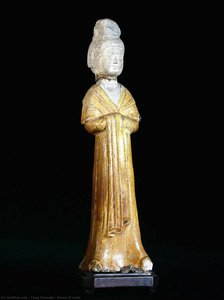
Dinastía Tang
China
Datos clave
- Artistic Movement Or Style: Pintura de Paisaje
- Full Name: Dinastía Tang
- Nationality: China
- Notable Artworks: ['Arte de Grulla, Pino y Roca']
- Place Of Birth: China