


 Vista previa
 Compartir
 Compartir
 Ver detalles

 Descargar
 Ver similares
 Radiografía
 Presentación de diapositivas
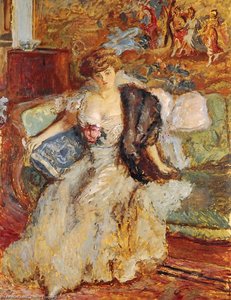
In the Studio


 Leer más
Reproducción al óleo hecha a mano
Óleo sobre lienzo pintado a mano en el tamaño y marco de su elección, realizado por encargo por nuestros artistas. ( Pedir impresión Comprar descarga)




P118B $10

P118H $10

P118W $10

P438Z $10

P508JH $12

P508YH $12

P805H $10

P805Z $10

P919BZ $10

P919G $10

P919XJ $10

P959ZH $10

P968JZ $12

W106C $8

W218G $10

W218JH $8

W218Y $10

W307PJ $10

W316G $10

W316PJ $8

W316Y $10

W398PJ $8

W4111J $10

W500HY $15

W500JH $15

W692G $12

W849H $8

W940BG $15

W953PJ $8




Elija entre nuestros tamaños predefinidos que respetan las proporciones originales de la obra.

Puede ingresar sus propias dimensiones para adaptarse a un marco o espacio específico. Si el tamaño seleccionado no coincide con las proporciones de la imagen original, recortaremos la obra o extenderemos la pintura con elementos adicionales pintados a mano. Se le enviará una maqueta digital para su aprobación antes de comenzar la producción.
Tenga en cuenta que la vista previa en pantalla no refleja el recorte o la extensión reales. Solo la maqueta mostrará con precisión la composición final.
Si bien existen tamaños personalizados, recomendamos seleccionar una dimensión de la lista predefinida para preservar las proporciones originales.
Tras realizar el pedido, el equipo de ArtsDot.com enviará un correo electrónico al cliente para solicitar instrucciones y proporcionarle una vista previa del boceto.
Envío a todo el mundo () en 3-4 semanas en lugar de las 5 semanas estándar. (16 agosto). Sin comprometer la calidad.

Envío exprés gratuito a todo el mundo

Lienzo de lino de alta calidad

Seguro de envío completo

Garantía de reembolso de aranceles aduaneros

Garantía de fidelidad cromática exacta

Política de devolución de 60 días (solo por defectos)

Garantía de devolución del 100% del dinero

Oferta por volumen
 La opción de vidrio solo está disponible en tamaños inferiores a 110 cm.

In the Studio
Técnica de reproducción
Tamaño de la reproducción
-


Precio total
$ 263
Descripción de la obra
A Moment of Quietude: The Intimacy of In the Studio
In the soft, amber glow of a late nineteenth-century afternoon, Susan Hannah Macdowell Eakins invites us into a sanctuary of stillness. Her 1894 masterpiece, In the Studio, is far more than a mere depiction of a domestic interior; it is a profound meditation on the concept of home as a place of psychological repose. The painting presents a woman seated upon a floral-patterned couch, her posture relaxed and limbs crossed in a way that suggests a deep, unhurried comfort. As she rests within this private enclave, the viewer is granted a rare, voyeuristic glimpse into a moment of pure leisure, where the frantic pace of the outside world ceases to exist.
The composition is masterfully balanced, utilizing the elements of the room to frame the subject's tranquility. A nearby chair and the steady, rhythmic presence of a clock on the wall serve as anchors of orderliness within the scene, suggesting a life lived with intention and grace. The floral motifs of the upholstery breathe a delicate elegance into the space, softening the edges of the room and weaving a tapestry of organic beauty that complements the subject's serene expression. Every element, from the placement of the furniture to the subtle play of light, works in harmony to cultivate an atmosphere that is both warm and profoundly inviting.
Mastery of American Realism and Light
As a pioneering figure in American Realism, Eakins demonstrates her technical prowess through a sophisticated command of texture and tonal depth. The painting avoids the harshness often found in academic portraiture, opting instead for a painterly approach that emphasizes the tactile qualities of the environment. One can almost feel the weight of the fabric on the couch and the smooth surface of the wooden furniture. Her brushwork is deliberate yet fluid, capturing the way light interacts with different surfaces—the matte finish of the wall, the subtle sheen of the upholstery, and the soft contours of the woman's form.
The historical context of 1894 provides a rich backdrop to this work. During this era, the boundaries between the private domestic sphere and the public artistic world were often navigated by women of Eakins' caliber. By titling the piece In the Studio, she may be subtly blurring these lines, suggesting that the domestic space is, in itself, a site of creative and intellectual life. This ambiguity adds a layer of intellectual depth to the painting, making it a compelling subject for study by historians and art enthusiasts alike.
An Enduring Inspiration for the Modern Interior
For the discerning collector or interior designer, In the Studio offers an unparalleled sense of timelessness. The painting possesses a unique ability to anchor a room, providing a focal point that is both sophisticated and emotionally resonant. Its palette of warm, muted tones makes it an incredibly versatile piece for various decor styles, from classic traditionalism to contemporary transitional aesthetics. A high-quality reproduction of this work does not merely decorate a wall; it introduces a narrative of peace and stability into a living space.
To hang this painting is to invite the spirit of nineteenth-century tranquility into the modern home. It serves as a constant reminder of the beauty found in quiet moments and the elegance of a well-ordered life. Whether placed in a sunlit library, a formal dining room, or a cozy sitting area, Eakins' work continues to captivate the heart, offering an enduring sense of grace that transcends the decades.
Obras relacionadas




Biografía del artista
Early Life and Education
Susan Hannah Macdowell Eakins (1851 – 1938) was born in Philadelphia, Pennsylvania, to William H. Macdowell, an engraver and photographer who instilled in his children a passion for art and intellectual curiosity. Her father’s liberal views and encouragement of independent thought profoundly shaped her formative years. Like her sister Elizabeth Macdowell Kenton, Susan displayed early artistic talent, nurtured by her father's provision of an attic studio—a rare privilege for young women at the time—where she honed her skills. Notably, she attended the Pennsylvania Academy of Fine Arts (PAFA), where she studied under Christian Schussele and Thomas Eakins, arguably the most influential artist of her era. This affiliation cemented her commitment to realism and observation, shaping her artistic vision.Marriage and Artistic Collaboration
Susan’s life took a pivotal turn when she met Thomas Eakins at the Hazeltine Gallery in 1876—a meeting that captivated both artists immediately. Eakins was deeply impressed by Macdowell's sensitivity and intellect, recognizing her as an exceptional talent within the artistic community. Their marriage in 1884 marked the beginning of a lifelong partnership characterized by mutual respect and unwavering support for each other’s creative endeavors. Recognizing the challenges faced by Eakins—particularly his controversial stance on nude modeling at PAFA—Macdowell tirelessly championed his career, diligently handling administrative tasks and fostering an environment conducive to artistic exploration.Artistic Style and Notable Works
Eakins' distinctive style evolved throughout her life, reflecting influences from Impressionism and Realism. Initially adopting the sober realism favored by Eakins, she skillfully blended meticulous technique with expressive emotion—a hallmark of his oeuvre. Her paintings frequently depicted intimate domestic scenes and portraits imbued with psychological depth, capturing subtle nuances of human experience. Among her most celebrated works are “Still Life With Flowers,” a masterful demonstration of color harmony and compositional balance, and “The Gross Clinic,” a groundbreaking depiction of surgical observation that challenged conventional artistic conventions. Furthermore, Eakins’ photographic endeavors—documented extensively by PAFA—provided invaluable visual references for her paintings and solidified her reputation as a pioneering innovator in the field.Legacy and Recognition
Despite facing considerable obstacles during her lifetime—including professional ostracism due to Eakins' uncompromising realism—Susan Hannah Macdowell Eakins left an indelible mark on American art history. Her unwavering dedication to her husband’s artistic vision, coupled with her own prolific output, ensured that she would be remembered as a courageous advocate for artistic freedom and a gifted artist in her own right. Following Eakins' death in 1916, Macdowell continued to paint passionately until her passing in 1938—producing a substantial body of work during the interwar years—demonstrating resilience and unwavering commitment to her craft. Her legacy persists today through the enduring appreciation for her artistic achievements and the recognition of her pivotal role in shaping the trajectory of American painting.
Susan Hannah Macdowell Eakins
1851 - 1938 , Estados Unidos
Datos clave
- Artistic Movement Or Style: Retrato y bodegón
- Artists Who Influenced This Artist: ['Thomas Eakins']
- Date Of Birth: Septiembre 21, 1851
- Date Of Death: Dicembre 27, 1938
- Full Name: Susan Hannah Macdowell Eakins
- Nationality: Americana
- Notable Artworks:
- Fuente Milagrosa
- Still Life with Flowers
- Place Of Birth: Filadelfia, Estados Unidos
Artículos relacionados

Grant Wood & American Regionalism: Identity, Myth & the Rural Landscape
Explore the world of Grant Wood & American Regionalism with ArtsDot. Discover the symbolism behind 'American Gothic', recurring themes, and the movement's lasting impact on art history. High-quality reproductions available.

Realismo Estadounidense: 10 Obras Maestras que Cambiaron el Arte y la Decoración
Descubre 10 obras maestras del Realismo Estadounidense: Winslow Homer, Edward Hopper y más. Explora la historia, técnica y emoción de estos icónicos cuadros. Encuentra reproducciones de arte de museo en ArtsDot.com.

Regionalismo Americano: Un Crisol de Identidad en el Arte y la Sociedad
Explora el Regionalismo Americano: su historia, artistas clave como Benton y Wood, y su profundo compromiso con la sociedad de la Gran Depresión. Un análisis exhaustivo para amantes del arte.

Ecos del Lugar: Regionalismo e Identidad Americana en el Arte Entre Guerras
Descubra el Regionalismo americano: un movimiento artístico que capturó la esencia de la identidad rural y la vida en Estados Unidos entre guerras. Análisis experto, obras clave y legado cultural.

Edward Hopper: Las 25 Obras Maestras que Definen la Soledad Moderna | ArtsDot
Descubre las 25 obras maestras de Edward Hopper, el pintor de la soledad moderna. Explora su realismo americano, luz y sombra, e icónicas escenas urbanas. Reproducciones de arte en ArtsDot.com para decorar tu hogar con estilo.

