


 Ver en contexto
 Enviar
 Compartir
 Detalles

 Descargar
 Similares
 Radiografía
 Presentación de diapositivas
 Estadísticas
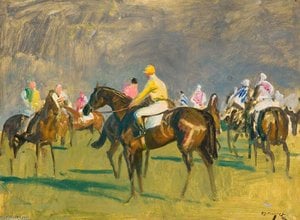
Before The Start


 Ver más
Giclée / Impresión de arte
Impresiones giclée o en lienzo de calidad de museo con producción rápida y opciones de acabado flexibles. ( Comprar pintura hecha a mano Cambiar a imagen digital)




P118B $10

P118H $10

P118W $10

P438Z $10

P508JH $12

P508YH $12

P805H $10

P805Z $10

P919BZ $10

P919G $10

P919XJ $10

P959ZH $10

P968JZ $12

W106C $8

W218G $10

W218JH $8

W218Y $10

W307PJ $10

W316G $10

W316PJ $8

W316Y $10

W398PJ $8

W4111J $10

W500HY $15

W500JH $15

W692G $12

W849H $8

W940BG $15

W953PJ $8




Elija entre nuestros tamaños predefinidos que respetan las proporciones originales de la obra.

Puede introducir sus propias dimensiones para adaptarse a un marco o espacio específico. Si el tamaño seleccionado no coincide con las proporciones de la imagen original, recortaremos la obra de arte o extenderemos la imagen con un borde con efecto espejo o de color sólido. Se enviará una maqueta digital para su aprobación antes de que comience la producción.
Tenga en cuenta que la vista previa en pantalla no refleja el recorte o la extensión real. Solo la maqueta mostrará con precisión la composición final.
Aunque existen tamaños personalizados, recomendamos seleccionar una dimensión de la lista predefinida para preservar las proporciones originales.
Envío a todo el mundo () en 2 semanas en lugar de las 4/5 semanas estándar. (9 septiembre)

Envío exprés gratuito a todo el mundo

Lienzo de lino de alta calidad

Seguro de envío total

Garantía de reembolso de impuestos aduaneros

Garantía de fidelidad cromática exacta

Política de devolución de 100 días (solo por defectos)

Garantía de devolución del 100% del dinero

Descuento por cantidad
 La opción de vidrio solo está disponible en tamaños inferiores a 110 cm.

Before The Start
Giclée / Impresión de arte
Dimensiones de la reproducción
-


Precio total final
$ 62
The Breath Before the Gallop
In the quiet, electric moment before the thunder of hooves breaks the silence, Sir Alfred James Munnings captures a profound sense of anticipation. Before The Start is not merely a depiction of an equestrian event; it is a masterful study of tension and atmosphere. The scene presents a line of horses and riders poised at the starting line, their forms arranged in a soft horizontal band that stretches across the middle ground. There is a palpable weight to the air, a stillness that feels heavy with the impending energy of the race. Through his expert use of an Impressionistic lens, Munnings invites the viewer into this private moment of preparation, where the world seems to hold its breath alongside the athletes.
The technique employed in this work is a testament to Munnings’s ability to translate movement and spirit onto canvas. Eschewing rigid outlines for fluid, organic shapes, the artist utilizes loose, expressive brushstrokes that lend a rhythmic vitality to the composition. The application of paint often leans into impasto, where thick, textured layers create a tactile surface that catches the light, mimicking the rugged texture of the turf and the muscular tension of the horses. This painterly approach ensures that nothing is static; even in this moment of rest, the short, choppy strokes suggest a latent power, as if the very paint itself is vibrating with the energy of the approaching competition.
A Symphony of Earth and Sky
The color palette of Before The Start is a sophisticated arrangement of naturalistic tones that ground the scene in the timeless beauty of the English countryside. Dominated by earthy greens, deep browns, and muted tans, the landscape feels soft and weathered, as if viewed through a light morning mist. This subdued backdrop serves a vital purpose: it allows the sudden, brilliant flashes of color from the jockeys' silks—vibrant reds and striking blues—to emerge like sparks of life against the overcast sky. These small punctuations of brightness provide necessary contrast, drawing the eye across the field and guiding the viewer through the horizontal narrative of the starting line.
Lighting plays a crucial role in establishing the emotional depth of the piece. The light is diffused and gentle, characteristic of an overcast day, which minimizes harsh shadows and creates a seamless, almost dreamlike transition between the foreground and the distant, blurred horizon. This lack of sharp perspective flattens the scene slightly, focusing the viewer's attention on the textures and the emotional weight of the subjects rather than a deep spatial recession. For the collector or interior designer, this creates an artwork that possesses both a calming presence and a captivating focal point, making it an ideal centerpiece for spaces that value understated elegance and classical charm.
The Legacy of a Vanishing World
To understand Before The Start is to understand the heart of Sir Alfred James Munnings himself. As one of Britain's most celebrated horse painters, his work serves as a romanticized preservation of a way of life that was already beginning to fade during his lifetime. His connection to the equine world was not merely professional but deeply personal, rooted in the traditions of hunting and rural racing that defined the English landscape. In this painting, we see more than just a sporting event; we see a nostalgic tribute to the rhythms of the countryside and the enduring bond between human and horse.
The emotional impact of the work lies in its ability to evoke both nostalgia and excitement. There is a quiet dignity in the horses' posture and a focused intensity in the riders, suggesting a respect for tradition and the disciplined beauty of sport. For those seeking to bring a piece of art history into their homes, this reproduction offers more than just aesthetic beauty; it offers an entry point into a storied era of British Impressionism. It is a work that resonates with anyone who finds beauty in the fleeting moments of stillness that precede great action, making it a timeless addition to any curated collection.
Obras relacionadas




Biografía del artista
Sir Alfred James Munnings: Una Vida en la Pintura
Sir Alfred James Munnings (1878-1959), conocido como AJ Munnings, fue uno de los pintores británicos más destacados de caballos y un firme tradicionalista que se opuso vehementemente al auge del modernismo. Sus vibrantes representaciones de la vida rural, escenas de caza y caballos de carreras consolidaron su lugar como una figura destacada en el arte británico durante la primera mitad del siglo XX.
Primeros Años y Comienzos Artísticos
Nacido el 8 de octubre de 1878 en Mendham Mill, Suffolk, Munnings’ vida temprana estuvo profundamente entrelazada con el campo. Su padre era molinero y creció rodeado de caballos, una influencia que dominaría su carrera artística. Después de dejar Framlingham College a los catorce años, se convirtió en aprendiz de un impresor de Norwich durante seis años, diseñando carteles publicitarios mientras estudiaba simultáneamente en la Escuela de Arte de Norwich.
Desarrollo Artístico e Influencias
La formación formal de Munnings fue limitada, pero perfeccionó sus habilidades a través de la observación y la práctica. Se asoció con la Escuela de Newlyn de pintores en Cornualles, un grupo conocido por su pintura al aire libre y sus representaciones realistas de la vida rural. Mientras allí, conoció a Florence Carter-Wood, a quien se casó en 1912. Su trabajo inicial se centró en escenas rurales, que a menudo presentaban gitanos y caballos. Desarrolló un estilo impresionista, caracterizado por pinceladas sueltas y un enfoque en capturar la luz y la atmósfera.
Años de Guerra y Comisiones
Durante la Primera Guerra Mundial, Munnings se ofreció como voluntario para el servicio, pero fue considerado no apto para luchar. En cambio, sirvió con la Brigada de Caballería Canadiense como artista oficial de guerra, documentando el papel de los caballos en el conflicto. Esta experiencia lo impactó profundamente; presenció de primera mano el sufrimiento y la pérdida tanto de hombres como de animales. Pintó escenas cerca del frente, incluido un retrato del General Jack Seely montado en su caballo Warrior. Después de la guerra, Munnings recibió numerosas comisiones prestigiosas, estableciendo su seguridad financiera.
Logros Principales y Reconocimiento
- Presidente de la Royal Academy: Elegido Presidente de la Royal Academy en 1944, ocupó el cargo hasta 1949.
- Caballero: Fue nombrado Caballero Bachelor en 1944 y Caballero Comandante del Orden Real Victoriano en 1947.
- Comisiones de Artista de Guerra: Su trabajo documentando la Caballería Canadiense durante la Primera Guerra Mundial le valió un reconocimiento significativo.
- Trabajo Escultórico: También creó esculturas, incluida una estatua ecuestre de Edward Horner.
Un Crítico del Modernismo
Munnings es recordado quizás tanto por su enérgica crítica al modernismo como por sus representaciones tradicionales. En una transmisión famosa (y supuestamente ebria) en la BBC Radio en 1949, entregó una dura crítica al arte contemporáneo, afirmando que se uniría gustosamente a Winston Churchill para "patear... algo de Picasso". Este discurso solidificó su imagen como defensor de los valores artísticos tradicionales.
Vida Posterior y Legado
Munnings compró Castle House en Dedham, Essex, en 1919, que se convirtió tanto en su hogar como en su estudio durante el resto de su vida. Después de su muerte el 17 de julio de 1959, su esposa Violet transformó Castle House en el Museo de Arte Munnings, preservando su trabajo y legado. Hoy en día, Munnings es celebrado como un maestro del arte ecuestre y una figura significativa en la historia artística británica.
Significado Histórico
Las pinturas de Munnings ofrecen una valiosa visión de una época pasada: un mundo de caballos, caza y vida rural que desaparecía rápidamente durante su vida. Su trabajo continúa resonando con el público hoy en día, no solo por su habilidad técnica, sino también por su evocadora representación de una forma de vida apreciada. Sigue siendo un símbolo de la tradición artística y un recordatorio del poder perdurable de la pintura representacional.

Sir Alfred James Munnings
1878 - 1959 , Reino Unido
Datos clave
- Artistas Que Influyeron: ['Claude Monet']
- Fecha De Fallecimiento: 17 de julio de 1959
- Fecha De Nacimiento: 8 de octubre de 1878
- Lugar De Nacimiento: Mendham, Reino Unido
- Movimiento Artístico: Impresionismo inglés
- Nacionalidad: Británico
- Nombre Completo: Sir Alfred James Munnings
- Obras Notables:
- Río Congelado
- Start Of A Steeplechase
- Nubes Sobre Exmoor
Artículos relacionados

Equestrian Elegance: Discovering Captivating Horseback Rider Art to Anchor Your New Home with Timeless Grace
Anchor your new home with the timeless grace of equestrian art. ArtsDot.com offers exquisite, hand-painted oil reproductions of horse rider masterpieces, perfect for newlyweds seeking sophisticated decor. Discover bespoke commissions and museum-quality classics to enrich your sanctuary.

Alfred Munnings: Las 25 Obras Maestras del Pintor de Caballos | ArtsDot
Descubre las 25 obras maestras de Alfred Munnings, el pintor británico de caballos por excelencia. Explora su impresionismo inglés, escenas campestres y técnica única. Encuentra reproducciones de arte de alta calidad en ArtsDot.com.

The Equine Muse: A Historical & Artistic Exploration of Horses in Painting
Explore the captivating history of horses in painting! Discover Renaissance masterpieces, Baroque grandeur & expert insights for collecting equestrian art. Learn about symbolism, techniques & lasting value with ArtsDot.

The Noble Steed on Canvas: A Historical & Artistic Exploration of Horse Painting Across Cultures
Explore the rich history of horse painting! Discover masterpieces from Stubbs to Munnings & learn about symbolism, techniques & artists. Find museum-quality reproductions at ArtsDot.

The Noble Steed: A Historical and Artistic Exploration of Horses in Fine Art
Explore the rich history of horses in fine art! From ancient depictions to Renaissance masterpieces & beyond, discover iconic artworks and artists. Learn about symbolism, techniques, and find museum-quality reproductions at ArtsDot.


