

 Vista previa
 Compartir
 Compartir
 Ver detalles

 Descargar
 Ver similares
 Radiografía
 Presentación de diapositivas
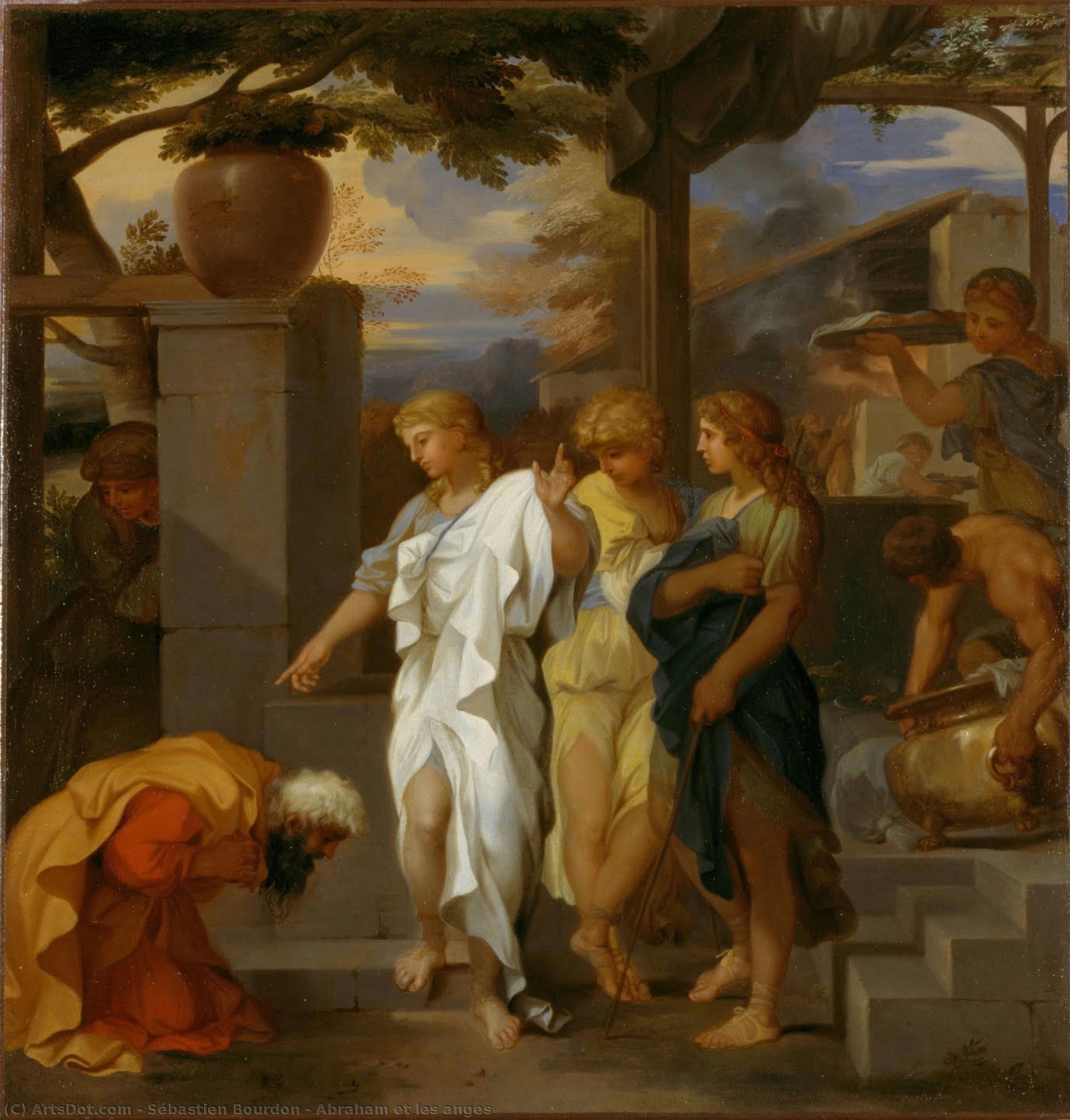
Abraham et les anges


 Leer más
Reproducción al óleo hecha a mano
Óleo sobre lienzo pintado a mano en el tamaño y marco de su elección, realizado por encargo por nuestros artistas. ( Pedir impresión Comprar descarga)




P118B $10

P118H $10

P118W $10

P438Z $10

P508JH $12

P508YH $12

P805H $10

P805Z $10

P919BZ $10

P919G $10

P919XJ $10

P959ZH $10

P968JZ $12

W106C $8

W218G $10

W218JH $8

W218Y $10

W307PJ $10

W316G $10

W316PJ $8

W316Y $10

W398PJ $8

W4111J $10

W500HY $15

W500JH $15

W692G $12

W849H $8

W940BG $15

W953PJ $8




Elija entre nuestros tamaños predefinidos que respetan las proporciones originales de la obra.

Puede ingresar sus propias dimensiones para adaptarse a un marco o espacio específico. Si el tamaño seleccionado no coincide con las proporciones de la imagen original, recortaremos la obra o extenderemos la pintura con elementos adicionales pintados a mano. Se le enviará una maqueta digital para su aprobación antes de comenzar la producción.
Tenga en cuenta que la vista previa en pantalla no refleja el recorte o la extensión reales. Solo la maqueta mostrará con precisión la composición final.
Si bien existen tamaños personalizados, recomendamos seleccionar una dimensión de la lista predefinida para preservar las proporciones originales.
Tras realizar el pedido, el equipo de ArtsDot.com enviará un correo electrónico al cliente para solicitar instrucciones y proporcionarle una vista previa del boceto.
Envío a todo el mundo () en 3-4 semanas en lugar de las 5 semanas estándar. (16 agosto). Sin comprometer la calidad.

Envío exprés gratuito a todo el mundo

Lienzo de lino de alta calidad

Seguro de envío completo

Garantía de reembolso de aranceles aduaneros

Garantía de fidelidad cromática exacta

Política de devolución de 60 días (solo por defectos)

Garantía de devolución del 100% del dinero

Oferta por volumen
 La opción de vidrio solo está disponible en tamaños inferiores a 110 cm.

Abraham et les anges
Técnica de reproducción
Tamaño de la reproducción
-


Precio total
$ 363
Descripción de la obra
Abraham et les anges: A Baroque Tapestry of Faith and Hospitality
Sébastien Bourdon’s “Abraham et les anges” (Abraham and the Angels) is not merely a biblical depiction; it's a profound meditation on faith, generosity, and divine intervention rendered with the dramatic intensity characteristic of the late 17th-century Baroque. Painted between 1653 and 1657 during Bourdon’s Parisian period – a time when he was working for the influential Duke de Chevreuse – this small-scale oil painting offers a glimpse into a world where religious narrative intertwined seamlessly with aristocratic patronage. The scene, drawn from Genesis chapter 18, captures a pivotal moment: Abraham's extraordinary hospitality to three angelic visitors who announce the imminent birth of his son Isaac. It’s a tableau brimming with layered symbolism and executed with a masterful command of light, shadow, and human form.
Bourdon’s artistic lineage is immediately apparent. He was deeply influenced by the Roman Baroque masters – particularly Caravaggio – and this influence manifests in the painting's stark contrasts and dramatic use of chiaroscuro. The composition is carefully constructed to draw the viewer’s eye towards Abraham, a figure kneeling in humble deference before the radiant angels. Their forms are sculpted with meticulous detail, each fold of drapery rendered with an almost sculptural quality. Notice how Bourdon uses light not just to illuminate figures but also to create a sense of depth and atmosphere – the warm glow emanating from the angels contrasts sharply with the darker recesses of the courtyard setting, emphasizing the sacredness of the encounter.
The Courtyard of Mambré: Setting and Symbolism
The painting’s setting—a courtyard or porch, likely inspired by classical Roman architecture—is crucial to its meaning. The reference to “Mambré” (a biblical figure associated with a sacred oak) immediately anchors the scene in the Old Testament narrative. This architectural detail subtly elevates the earthly realm of Abraham's home into something imbued with divine significance. The arrangement of figures within this space is deliberate; Abraham, at the center, represents humanity’s capacity for faith and obedience. The angels, messengers of God, embody divine grace and intervention. And Sarah, though unseen, is the silent recipient of this miraculous promise – a symbol of hope and future fertility.
Beyond the immediate narrative, the scene resonates with broader themes of hospitality and welcoming the stranger. Abraham’s willingness to offer food and shelter to uninvited guests reflects a core tenet of Jewish faith: treating all people with kindness and compassion, regardless of their background or status. This act of generosity is not simply an earthly gesture; it's presented as a demonstration of Abraham’s unwavering loyalty to God.
Bourdon’s Technique and the Parisian Baroque
Bourdon’s skill lies in his ability to synthesize diverse influences into a distinctly personal style. While he clearly admired Caravaggio’s dramatic lighting, he also incorporated elements of the French courtly tradition – evident in the refined drapery and the elegant poses of the figures. His brushwork is remarkably controlled, creating a surface that is both luminous and textured. The use of rich pigments—particularly golds and reds—contributes to the painting's overall sense of opulence and grandeur.
Furthermore, “Abraham et les anges” provides valuable insight into the artistic climate of Paris during Bourdon’s time. It exemplifies the flourishing Baroque movement that was transforming the city’s art scene. Bourdon’s work reflects a shift away from the more restrained Mannerism of earlier periods and towards a greater emphasis on emotional expression, dramatic composition, and dynamic movement – characteristics that would define the French Baroque for decades to come.
A Timeless Reflection: The Emotional Resonance
Despite its historical context, “Abraham et les anges” continues to resonate with viewers today. The painting’s depiction of faith, generosity, and divine grace transcends time and culture. It invites us to contemplate the meaning of hospitality, the importance of compassion, and the enduring power of belief. The subtle expressions on Abraham's face—a mixture of humility, wonder, and anticipation—capture a profound human experience: the recognition of something greater than oneself. It’s a work that speaks not only to the eye but also to the heart, offering a timeless meditation on the mysteries of faith and the enduring values of humanity.
Obras relacionadas


Biografía del artista
Un Maestro de la Luz y la Versatilidad: La Vida de Sébastien Bourdon
Sébastien Bourdon (1616–1671) permanece como una de las figuras más cautivadoras y polifacéticas del Barroco francés del siglo XVII. Nacido en Montpellier en el seno de una familia de artistas protestantes, sus primeros años fueron moldeados por las vibrantes, aunque a menudo turbulentas, tradiciones artísticas del sur de Francia. Su trayectoria, desde joven aprendiz hasta convertirse en un miembro fundacional de la Académie Royale de Peinture et de Sculpture, es testimonio de un intelecto profundo e inquieto y de una capacidad inigualable para absorber las corrientes estilísticas de Europa. Tras su formación inicial en París, el camino de Bourdon lo llevó por Burdeos y Toulouse antes de alcanzar el corazón espiritual y artístico del continente: Roma. Fue en Italia donde su talento se encendió verdaderamente, al sumergirse en las obras de maestros como Caravaggio, <𝘪Nicolas Poussin y Claude Lorrain. Este periodo de intenso estudio le permitió desarrollar un lenguaje visual único, capaz de pivotar desde el realismo crudo y dramático de los caravaggistas hasta la luminosa y clásica elegancia de la escuela veneciana.La Evolución del Estilo y la Técnica
Lo que verdaderamente distingue la obra de Bourdon es su notable fluidez estilística, una cualidad que en ocasiones suscitó tanto admiración como críticas entre sus contemporáneos. Su desarrollo estuvo marcado por una serie de encuentros transformadores con diversas tradiciones europeas. Tras una visita crucial a Venecia, su paleta experimentó una metamorfosis profunda; los contrastes más marcados de su formación temprana dieron paso a un uso del color más rico y atmosférico, inspirado por los maestros venecianos. Esta evolución le permitió navegar con maestría entre géneros dispares. En su retratística, a menudo adoptaba un enfoque rubensiano o favorecía composiciones íntimas de busto que capturaban la profundidad psicológica y la elegancia de sus sujetos, como la noble sueca en La condesa Ebba Sparre. Por el contrario, sus obras religiosas utilizaban un dramático claroscuro para evocar asombro espiritual, de manera más notable en su obra maestra monumental, La Crucifixión de San Pedro, creada para la catedral de Notre Dame.Legado e Importancia Histórica
Más allá de sus lienzos individuales, Bourdon desempeñó un papel crucial en la institucionalización del arte francés. Como cofundador de la Real Academia en 1648, ayudó a establecer los estándares de excelencia que definirían la pintura francesa durante generaciones. Su carrera también se caracterizó por una extraordinaria amplitud de servicio; su reputación como retratista de primer orden lo llevó a la corte de la Reina Cristina de Suecia, donde ejerció como pintor de cámara, llevando la sofisticada estética de París y Roma a Estocolmo. Ya sea representando la desgarradora tensión de Moisés y la serpiente de bronce o la serena grandeza de los paisajes clásicos, la obra de Bourdon encarna el espíritu dual de la era barroca: el intenso drama emocional de la condición humana y la búsqueda intelectual y equilibrada de la belleza clásica. Su capacidad para sintetizar las tradiciones naturalistas de Francia con los estilos monumentales de Italia asegura su lugar perdurable en el panteón de la historia del arte europeo.
Sébastien Bourdon
1616 - 1671 , Francia
Datos clave
- Artistic Movement Or Style: Barroco
- Artists Who Influenced This Artist:
- Nicolas Poussin
- Claude Lorrain
- Caravaggio
- Date Of Birth: 2 febrero 1616
- Date Of Death: 8 mayo 1671
- Full Name: Sébastien Bourdon
- Nationality: Francés
- Notable Artworks:
- El Martirio de San Pedro
- La Caída de Simón el Mago
- Place Of Birth: Montpellier, Francia
Artículos relacionados
Illuminating Faith: Biblical Narrative & Artistic Expression Through the Ages
Explore the rich history of biblical art from Giotto to the Renaissance masters with ArtsDot. Discover symbolism, techniques & enduring legacies. Museum-quality reproductions & expert insights.

Abraham Hulk Senior: Pioneering Maritime Topography of the Dutch Golden Age
Explore the captivating seascapes of Abraham Hulk Senior, a leading Anglo-Dutch marine painter of the 19th century. Discover his signature style, family legacy & collectable artworks at ArtsDot.

Illuminating Faith: Biblical Scenes & Their Enduring Legacy in Art History
Explore the profound history of biblical art! Discover Renaissance masterpieces by Giotto & more. Uncover symbolism, artistic techniques, and lasting influence. Expert insights at ArtsDot.

Sacred Narratives on Canvas: Exploring Biblical Art Across Centuries
Explore the rich history of biblical art from Giotto to the Renaissance masters. Discover symbolism, techniques & enduring legacies with ArtsDot – your source for museum-quality reproductions and expert art insights.

Abraham Hendricksz van Beyeren: Pioneering Dutch Still Life & the Banquet Tradition
Explore the captivating world of Dutch Golden Age still life with Abraham van Beyeren. Discover his innovative techniques, symbolic banquet scenes & lasting influence on art history. Learn about collecting these masterpieces.



