


 Vista previa
 Compartir
 Compartir
 Ver detalles

 Descargar
 Ver similares
 Radiografía
 Presentación de diapositivas
untitled (586)


 Leer más
Giclée / Impresión de arte
Impresiones giclée o en lienzo de calidad de museo con producción rápida y opciones de acabado flexibles. ( Encargar reproducción pintada a mano Comprar descarga)




P118B $10

P118H $10

P118W $10

P438Z $10

P508JH $12

P508YH $12

P805H $10

P805Z $10

P919BZ $10

P919G $10

P919XJ $10

P959ZH $10

P968JZ $12

W106C $8

W218G $10

W218JH $8

W218Y $10

W307PJ $10

W316G $10

W316PJ $8

W316Y $10

W398PJ $8

W4111J $10

W500HY $15

W500JH $15

W692G $12

W849H $8

W940BG $15

W953PJ $8




Elija entre nuestros tamaños predefinidos que respetan las proporciones originales de la obra.

Puede introducir sus propias dimensiones para adaptarse a un marco o espacio específico. Si el tamaño seleccionado no coincide con las proporciones de la imagen original, recortaremos la obra de arte o extenderemos la imagen con un borde con efecto espejo o de color sólido. Se enviará una maqueta digital para su aprobación antes de que comience la producción.
Tenga en cuenta que la vista previa en pantalla no refleja el recorte o la extensión real. Solo la maqueta mostrará con precisión la composición final.
Aunque existen tamaños personalizados, recomendamos seleccionar una dimensión de la lista predefinida para preservar las proporciones originales.
Envío a todo el mundo () en 2 semanas en lugar de las 4/5 semanas estándar. (19 agosto)

Envío exprés gratuito a todo el mundo

Lienzo de lino de alta calidad

Seguro de envío completo

Garantía de reembolso de aranceles aduaneros

Garantía de fidelidad cromática exacta

Política de devolución de 60 días (solo por defectos)

Garantía de devolución del 100% del dinero

Oferta por volumen
 La opción de vidrio solo está disponible en tamaños inferiores a 110 cm.

untitled (586)
Giclée / Impresión de arte
Tamaño de la reproducción
-


Precio total
$ 62
Descripción de la pieza
A Moment of Shared Revelry: Botticelli’s “Untitled (586)”
Sandro Botticelli's "Untitled (586)" offers a captivating glimpse into the heart of Renaissance social life, a scene brimming with warmth, conviviality, and an undeniable sense of timeless elegance. This large fresco, likely executed around 1490-1500, depicts a gathering of individuals – men, women, and children – assembled around a substantial dining table laden with food. The composition immediately draws the eye to the central figures, engaged in animated conversation and shared enjoyment, while the carefully rendered horses subtly reinforce the scene’s aristocratic context. Botticelli masterfully captures not just a visual record but an emotional atmosphere of relaxed celebration, inviting us into this intimate moment of human connection.
Botticelli's Florentine Style and Technique
As one of the most celebrated artists of the Early Renaissance, Sandro Botticelli’s style is instantly recognizable. “Untitled (586)” exemplifies his characteristic grace and fluidity, evident in the elegant poses of the figures and the delicate rendering of drapery. Botticelli's technique relies heavily on tempera paint applied to a gesso ground – a method favored during this period for its luminosity and ability to create rich colors. Note the subtle gradations of tone achieved through layering thin glazes, creating an almost ethereal quality to the skin tones and fabrics. The artist’s meticulous attention to detail, particularly in the depiction of textures—the rough weave of clothing, the polished surfaces of tableware—demonstrates his profound understanding of observation and representation. The use of perspective, though not strictly linear as would become fashionable later, contributes to the illusion of depth within the scene.
Symbolism and Context: A Portrait of Renaissance Society
Beyond a simple depiction of a meal, “Untitled (586)” offers a window into the social customs and values of 15th-century Florence. The presence of horses is particularly significant; they were symbols of wealth, status, and power, frequently associated with the nobility and wealthy merchant families who commissioned such scenes. The clock visible on the wall subtly introduces an element of time – a recurring motif in Botticelli’s work – reminding us of the fleeting nature of earthly pleasures and perhaps hinting at a moralizing dimension within the scene. The composition itself, with its balanced arrangement of figures and objects, reflects the humanist ideals of the Renaissance, emphasizing human dignity and beauty. This painting likely served as a decorative element within a private residence, intended to impress guests and showcase the owner’s prosperity and refined taste.
Emotional Impact and Artistic Legacy
"Untitled (586)" resonates with viewers today not only for its technical brilliance but also for its enduring portrayal of human connection. Botticelli's ability to capture a moment of genuine joy and camaraderie transcends time, inviting us to contemplate the simple pleasures of life – good food, companionship, and shared laughter. This work stands as a testament to Botticelli’s artistic genius and his pivotal role in shaping the course of Western art history. A hand-painted reproduction offers an unparalleled opportunity to experience the beauty and emotional depth of this iconic masterpiece within your own space.
Obras relacionadas


Biografía del artista
vida temprana y formación
Sandro Botticelli, nacido Alessandro di Mariano di Vanni Filipepi alrededor de 1445, fue una figura clave en el Renacimiento temprano de la pintura italiana. Inicialmente eclipsado post mortem, la obra de Botticelli fue revitalizada a finales del siglo XIX por los pre-rafaelitas, lo que llevó a una reevaluación de sus contribuciones artísticas. Botticelli nació en Florencia, Italia, y vivió toda su vida en el mismo barrio. Su familia, incluyendo a su padre Mariano di Vanni d'Amadeo Filipepi, estuvo involucrada en diversas profesiones, lo que les permitió entrar en contacto con artistas. Giorgio Vasari informó que Botticelli fue inicialmente entrenado como joyero.Estilo artístico y obras notables
La obra de Botticelli se caracteriza por una elegante linealidad, que conecta el gótico tardío italiano con el Renacimiento temprano. Sus obras más famosas, El nacimiento de Venus y Primavera, se exhiben en la Galería Uffizi en Florencia, que alberga una importante colección de su arte. * El nacimiento de Venus (ver en ArtsDot) * Primavera (explorar el arte de Sandro Botticelli en ArtsDot) * La natividad mística (Galería Nacional, Londres), fechada en 1501, es la única obra de Botticelli con una fecha clara.Legado e influencia
El estilo de Botticelli evolucionó hacia un enfoque más personal en la década de 1490, divergente de sus contemporáneos como Leonardo da Vinci y el estilo del Alto Renacimiento emergente. Su obra ha sido reconocida como una contribución significativa al movimiento artístico del Renacimiento italiano. * El movimiento artístico del Renacimiento italiano * Sandro Botticelli en Wikipedia- Artistas notables del Renacimiento italiano incluyen a Sandro Botticelli, Leonardo da Vinci, Miguel Ángel y Tiziano.
- La Galería Uffizi de Florencia alberga una importante colección de arte de Botticelli.
- La obra de Botticelli ha sido reconocida como una figura clave en el Renacimiento temprano de la pintura italiana.

Sandro Botticelli
1445 - 1510 , Italia
Datos clave
- Artistas Que Influyeron:
- Fra Angelico
- Paolo Uccello
- Estilo Artístico: Renacimiento Temprano
- Fecha De Muerte: 1510
- Fecha De Nacimiento: c. 1445
- Influenciado A Artistas: ['Pre-Rafaelitas']
- Lugar De Nacimiento: Florencia, Italia
- Nacionalidad: Italiana
- Nombre Completo: Sandro Botticelli
- Obras Notables:
- El Nacimiento de Venus
- Primavera
- Natividad Mística
Artículos relacionados
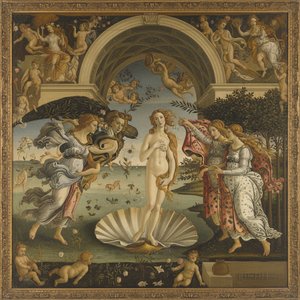
Botticelli: Las 25 Obras Maestras del Renacimiento para Decorar con Arte y Elegancia
Descubre las 25 obras maestras de Sandro Botticelli, el genio del Renacimiento italiano. Explora 'El Nacimiento de Venus', 'Primavera' y más: historia, técnica y belleza clásica. Encuentra reproducciones de arte exclusivas en ArtsDot.com.
Legado en las Paredes: Frescos Familiares que Trascienden el Tiempo
Descubre el arte del fresco muralístico para inmortalizar tu historia familiar. Expertos en frescos personalizados y técnicas ancestrales. Crea un legado visual único con .

El Fresco a Través de los Siglos: Técnica, Historia y Expresión Artística Duradera
Descubre la historia y técnica del fresco, desde sus orígenes en la antigüedad hasta los maestros renacentistas. Guía completa sobre conservación, restauración y el legado artístico de este arte milenario.

El Regreso del Fresco: Murales de Lujo para un Diseño Exclusivo
Descubre el arte del fresco: guía completa sobre técnicas, diseño y aplicaciones de lujo. Expertos en murales personalizados para hoteles y espacios exclusivos. ¡Transforma tu espacio con !

The Enduring Legacy of Fresco Painting: Techniques, History & Contemporary Relevance
Explore the rich history & enduring artistry of fresco painting – from Giotto to Michelangelo! Discover techniques, conservation efforts, & modern applications. Learn how ArtsDot brings this timeless art form to your home.



