


 Vista previa
 Compartir
 Compartir
 Ver detalles
 Guía
Guía

 Descargar
 Ver artículos similares
 Radiografía
 Presentación de diapositivas
 Estadísticas
Mystic Nativity -


 Leer más
Reproducción al óleo hecha a mano
Óleo sobre lienzo pintado a mano en el tamaño y marco de su elección, realizado por encargo por nuestros artistas. ( Cambiar a formato impreso Ver versión en imagen digital)




P118B $10

P118H $10

P118W $10

P438Z $10

P508JH $12

P508YH $12

P805H $10

P805Z $10

P919BZ $10

P919G $10

P919XJ $10

P959ZH $10

P968JZ $12

W106C $8

W218G $10

W218JH $8

W218Y $10

W307PJ $10

W316G $10

W316PJ $8

W316Y $10

W398PJ $8

W4111J $10

W500HY $15

W500JH $15

W692G $12

W849H $8

W940BG $15

W953PJ $8




Elija entre nuestros tamaños predefinidos que respetan las proporciones originales de la obra.

Puede ingresar sus propias dimensiones para adaptarse a un marco o espacio específico. Si el tamaño seleccionado no coincide con las proporciones de la imagen original, recortaremos la obra o extenderemos la pintura con elementos adicionales pintados a mano. Se le enviará una maqueta digital para su aprobación antes de comenzar la producción.
Tenga en cuenta que la vista previa en pantalla no refleja el recorte o la extensión reales. Solo la maqueta mostrará con precisión la composición final.
Si bien existen tamaños personalizados, recomendamos seleccionar una dimensión de la lista predefinida para preservar las proporciones originales.
Tras realizar el pedido, el equipo de ArtsDot.com enviará un correo electrónico al cliente para solicitar instrucciones y proporcionarle una vista previa del boceto.
Envío a todo el mundo () en 3-4 semanas en lugar de las 5 semanas estándar. (25 septiembre). Sin comprometer la calidad.

Envío exprés gratuito a todo el mundo

Lienzo de lino de alta calidad

Seguro de envío completo

Garantía de reembolso de impuestos aduaneros

Garantía de fidelidad cromática exacta

Política de devolución de 100 días (solo por defectos)

Garantía de devolución del 100% del dinero

Oferta por volumen
 La opción de vidrio solo está disponible en tamaños inferiores a 110 cm.

Mystic Nativity -
Técnica de reproducción
Tamaño de la reproducción
-


Precio total
$ 263
A Vision of Divine Grace: Botticelli’s Mystic Nativity
In the twilight of the Quattrocento, as the political landscape of Italy fractured under the weight of papal ambitions and dynastic strife, Sandro Botticelli captured something far more profound than a mere religious milestone. His Mystic Nativity, completed around 1500, serves as an eloquent distillation of Renaissance ideals interwoven with the palpable anxieties of a world in flux. While the surface of the painting presents the serene, familiar scene of the Nativity—Mary cradling the infant Jesus amidst a pastoral landscape—the work breathes with a much deeper, more unsettling spiritual energy. It is not merely a depiction of a birth, but a complex theological vision that bridges the gap between the historical event of Christ's arrival and the apocalyptic prophecies of the Book of Revelation.
The composition is a masterclass in Renaissance layering, guiding the viewer’s eye upward through multiple narrative tiers. At the heart of the scene lies the humble stable, where the central figures of Mary, Joseph, and the infant Jesus radiate a quiet, divine grace. Surrounding them is a celestial assembly of angels and earthly witnesses, creating a sense of cosmic unity. Botticelli’s technical mastery is most evident in his use of tempera, a medium that demands absolute precision and patience. Through delicate layering, he achieved a supernatural luminosity, particularly in the drapery of the Virgin's robes, which seems to glow from within. This ethereal quality, combined with the meticulous attention to detail—from the soft hay on the ground to the assortment of birds and animals—imbued the scene with a palpable stillness and reverence.
Symbolism and the Florentine Spirit
Beyond its breathtaking beauty, the Mystic Nativity is replete with symbolic gestures that speak to the intellectual fervor of Florence during the age of Lorenzo de Medici. Botticelli drew inspiration from both classical sculpture and the stylized traditions of Byzantine art, notably seen in the intricate, almost rhythmic depiction of the angels’ wings. This fusion of styles reflects the humanist fascination with antiquity intertwined with profound spiritual contemplation. The painting serves as a window into a period where art was used to navigate the tension between human experience and divine revelation. Every element, from the light filtering through the landscape to the arrangement of the figures, is a deliberate heartbeat intended to convey the sacredness of the moment.
For the discerning collector or interior designer, a reproduction of this masterpiece offers more than just decoration; it provides a focal point of profound emotional impact. The painting’s ability to evoke both peace and a sense of awe makes it an extraordinary addition to any curated space. Whether placed in a room designed for quiet reflection or as a grand statement piece in a sophisticated gallery-style setting, the Mystic Nativity brings with it the enduring legacy of the Italian Renaissance. It invites onlookers to pause, to look closer at the fine details, and to lose themselves in the luminous, timeless beauty of Botticelli’s vision.
Obras relacionadas


Biografía del artista
vida temprana y formación
Sandro Botticelli, nacido Alessandro di Mariano di Vanni Filipepi alrededor de 1445, fue una figura clave en el Renacimiento temprano de la pintura italiana. Inicialmente eclipsado post mortem, la obra de Botticelli fue revitalizada a finales del siglo XIX por los pre-rafaelitas, lo que llevó a una reevaluación de sus contribuciones artísticas. Botticelli nació en Florencia, Italia, y vivió toda su vida en el mismo barrio. Su familia, incluyendo a su padre Mariano di Vanni d'Amadeo Filipepi, estuvo involucrada en diversas profesiones, lo que les permitió entrar en contacto con artistas. Giorgio Vasari informó que Botticelli fue inicialmente entrenado como joyero.Estilo artístico y obras notables
La obra de Botticelli se caracteriza por una elegante linealidad, que conecta el gótico tardío italiano con el Renacimiento temprano. Sus obras más famosas, El nacimiento de Venus y Primavera, se exhiben en la Galería Uffizi en Florencia, que alberga una importante colección de su arte. * El nacimiento de Venus (ver en ArtsDot) * Primavera (explorar el arte de Sandro Botticelli en ArtsDot) * La natividad mística (Galería Nacional, Londres), fechada en 1501, es la única obra de Botticelli con una fecha clara.Legado e influencia
El estilo de Botticelli evolucionó hacia un enfoque más personal en la década de 1490, divergente de sus contemporáneos como Leonardo da Vinci y el estilo del Alto Renacimiento emergente. Su obra ha sido reconocida como una contribución significativa al movimiento artístico del Renacimiento italiano. * El movimiento artístico del Renacimiento italiano * Sandro Botticelli en Wikipedia- Artistas notables del Renacimiento italiano incluyen a Sandro Botticelli, Leonardo da Vinci, Miguel Ángel y Tiziano.
- La Galería Uffizi de Florencia alberga una importante colección de arte de Botticelli.
- La obra de Botticelli ha sido reconocida como una figura clave en el Renacimiento temprano de la pintura italiana.

Sandro Botticelli
1445 - 1510 , Italia
Datos clave
- Artistas Que Influyeron:
- Fra Angelico
- Paolo Uccello
- Estilo Artístico: Renacimiento Temprano
- Fecha De Muerte: 1510
- Fecha De Nacimiento: c. 1445
- Influenciado A Artistas: ['Pre-Rafaelitas']
- Lugar De Nacimiento: Florencia, Italia
- Nacionalidad: Italiana
- Nombre Completo: Sandro Botticelli
- Obras Notables:
- El Nacimiento de Venus
- Primavera
- Natividad Mística
Artículos relacionados

El Óleo sobre Lienzo: Historia, Técnica y la Persistencia de un Medio Artístico Atemporal
Descubre la historia y técnica del óleo sobre lienzo. Explora reproducciones fieles hechas a mano, personalización artística y consejos de expertos con ArtsDot. ¡Colecciona arte con confianza!
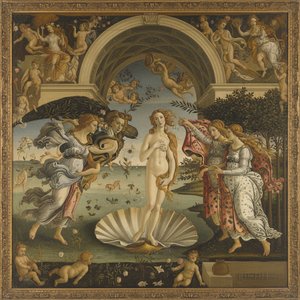
Botticelli: Las 25 Obras Maestras del Renacimiento para Decorar con Arte y Elegancia
Descubre las 25 obras maestras de Sandro Botticelli, el genio del Renacimiento italiano. Explora 'El Nacimiento de Venus', 'Primavera' y más: historia, técnica y belleza clásica. Encuentra reproducciones de arte exclusivas en ArtsDot.com.

Las 10 Obras Maestras al Óleo que Revolucionaron la Historia del Arte |
Descubre las 10 obras maestras al óleo que transformaron la historia del arte. Explora Van Gogh, Monet, Da Vinci y más. Reproducciones de alta calidad para decorar tu hogar con elegancia. ¡Encuentra tu obra favorita en !

The Enduring Legacy of Oil on Canvas: Technique, History & Aesthetic Impact
Explore the rich history & techniques of oil painting – from Renaissance masters to Impressionism. Discover pigments, layering methods, and why this timeless medium endures. Expert insights for artists & art enthusiasts.

El Legado Duradero del Óleo sobre Lienzo: Técnica, Historia y Práctica Contemporánea
Descubre la historia y técnica del óleo sobre lienzo. Explora reproducciones fieles hechas a mano, personalización artística y consejos de expertos con .


