


 Vista previa
 Compartir
 Compartir
 Ver detalles
 Guía
Guía

 Descargar
 Ver artículos similares
 Radiografía
 Presentación de diapositivas
 Estadísticas
La Anunciación de Cestello


 Leer más
Reproducción al óleo hecha a mano
Óleo sobre lienzo pintado a mano en el tamaño y marco de su elección, realizado por encargo por nuestros artistas. ( Cambiar a formato impreso Ver versión en imagen digital)




P118B $10

P118H $10

P118W $10

P438Z $10

P508JH $12

P508YH $12

P805H $10

P805Z $10

P919BZ $10

P919G $10

P919XJ $10

P959ZH $10

P968JZ $12

W106C $8

W218G $10

W218JH $8

W218Y $10

W307PJ $10

W316G $10

W316PJ $8

W316Y $10

W398PJ $8

W4111J $10

W500HY $15

W500JH $15

W692G $12

W849H $8

W940BG $15

W953PJ $8




Elija entre nuestros tamaños predefinidos que respetan las proporciones originales de la obra.

Puede ingresar sus propias dimensiones para adaptarse a un marco o espacio específico. Si el tamaño seleccionado no coincide con las proporciones de la imagen original, recortaremos la obra o extenderemos la pintura con elementos adicionales pintados a mano. Se le enviará una maqueta digital para su aprobación antes de comenzar la producción.
Tenga en cuenta que la vista previa en pantalla no refleja el recorte o la extensión reales. Solo la maqueta mostrará con precisión la composición final.
Si bien existen tamaños personalizados, recomendamos seleccionar una dimensión de la lista predefinida para preservar las proporciones originales.
Tras realizar el pedido, el equipo de ArtsDot.com enviará un correo electrónico al cliente para solicitar instrucciones y proporcionarle una vista previa del boceto.
Envío a todo el mundo () en 3-4 semanas en lugar de las 5 semanas estándar. (25 septiembre). Sin comprometer la calidad.

Envío exprés gratuito a todo el mundo

Lienzo de lino de alta calidad

Seguro de envío completo

Garantía de reembolso de impuestos aduaneros

Garantía de fidelidad cromática exacta

Política de devolución de 100 días (solo por defectos)

Garantía de devolución del 100% del dinero

Oferta por volumen
 La opción de vidrio solo está disponible en tamaños inferiores a 110 cm.

La Anunciación de Cestello
Técnica de reproducción
Tamaño de la reproducción
-


Precio total
$ 263
A Moment Suspended in Time: Botticelli’s *Cestello Annunciation*
Sandro Botticelli's Cestello Annunciation, painted around 1489, is not merely a depiction of a biblical event; it’s an intimate and profoundly moving encounter frozen in time. The scene unfolds with a quiet grace that defines Botticelli’s signature style – the Archangel Gabriel delivering his momentous news to Mary, poised on the cusp of accepting her divine destiny. The painting, originally created for the chapel of the Florentine monastery of Cestello (now Santa Maria Maddalena de’Pazzi), immediately draws the viewer into a space both sacred and deeply human. It’s a testament to Botticelli’s ability to blend religious narrative with an exquisite sensitivity to form and emotion.
The Language of Line and Light
Botticelli, born Alessandro di Mariano di Vanni Filipepi in Florence, was a master of line. In the Cestello Annunciation, this mastery is strikingly evident. The figures are defined not by robust modeling or dramatic chiaroscuro, but by elegant, flowing contours that lend them an ethereal quality. The delicate drapery folds and the graceful gestures of Gabriel and Mary seem to ripple with a life of their own. He bridges the gap between the Gothic past and the burgeoning Renaissance aesthetic, retaining a certain decorative elegance while embracing emerging principles of perspective and naturalism. The use of tempera on wood contributes to the painting’s luminous quality; colors are applied in thin, translucent layers, creating a subtle interplay of light and shadow that enhances the scene’s serene atmosphere. Notice how Botticelli employs a limited palette – rich blues, reds, and golds – to create a harmonious visual experience.
Symbolism Woven into Every Detail
The Cestello Annunciation is rich in symbolic meaning. The lily held by Gabriel isn't simply a beautiful flower; it represents Mary’s purity and virginity, a traditional symbol within Christian iconography. The enclosed garden visible through the window alludes to Mary as the *hortus conclusus*, the “closed garden,” symbolizing her inviolate state. Even the architectural details contribute to the narrative – the room itself is sparsely furnished, drawing attention to the spiritual significance of the encounter rather than worldly possessions. The inscriptions in Latin, taken from the Gospel of Luke, further reinforce the theological weight of the scene. Botticelli doesn’t simply *show* us the Annunciation; he invites us to contemplate its profound implications.
A Reflection of Florentine Piety and Artistic Innovation
To fully appreciate the Cestello Annunciation, it's crucial to understand its historical context. Florence in the late 15th century was a city undergoing significant religious and political upheaval. The sermons of Girolamo Savonarola, a Dominican friar who preached against corruption and excess, had a profound impact on Florentine society. Botticelli himself was influenced by Savonarola’s austere piety, which is reflected in the painting’s restrained emotionality and emphasis on spiritual devotion. However, despite this religious fervor, Botticelli remained committed to artistic innovation. The use of linear perspective, borrowed from Flemish painters, demonstrates his engagement with contemporary artistic trends. This blending of traditional symbolism and modern technique makes the Cestello Annunciation a remarkable example of Early Renaissance art.
An Enduring Legacy
The emotional impact of Botticelli’s *Cestello Annunciation* lies in its ability to convey a sense of quiet reverence. It’s not a scene of dramatic fanfare, but rather an intimate moment of divine communication. The painting invites contemplation and offers a glimpse into the profound mystery of faith. For collectors and interior designers alike, a reproduction of this masterpiece brings a touch of Renaissance elegance and spiritual depth to any space. Its harmonious colors and graceful composition make it a versatile addition to a variety of décor styles, while its rich symbolism provides endless opportunities for conversation and reflection. The Cestello Annunciation is more than just a painting; it’s a window into the soul of the Renaissance, and a testament to Botticelli’s enduring artistic genius.
- Artist: Sandro Botticelli
- Birth Year: 1445
- Death Year: 1510
- Birth City: Florence
- Birth Country: Italy
Botticelli’s *Cestello Annunciation* is a tempera painting on wood created in 1489 for Benedetto di Ser Giovanni Guardi, moneychanger and Florentine noble family patron. The chapel of Santa Maria Maddalena de' Pazzi hosted the artwork.
Obras relacionadas


Biografía del artista
vida temprana y formación
Sandro Botticelli, nacido Alessandro di Mariano di Vanni Filipepi alrededor de 1445, fue una figura clave en el Renacimiento temprano de la pintura italiana. Inicialmente eclipsado post mortem, la obra de Botticelli fue revitalizada a finales del siglo XIX por los pre-rafaelitas, lo que llevó a una reevaluación de sus contribuciones artísticas. Botticelli nació en Florencia, Italia, y vivió toda su vida en el mismo barrio. Su familia, incluyendo a su padre Mariano di Vanni d'Amadeo Filipepi, estuvo involucrada en diversas profesiones, lo que les permitió entrar en contacto con artistas. Giorgio Vasari informó que Botticelli fue inicialmente entrenado como joyero.Estilo artístico y obras notables
La obra de Botticelli se caracteriza por una elegante linealidad, que conecta el gótico tardío italiano con el Renacimiento temprano. Sus obras más famosas, El nacimiento de Venus y Primavera, se exhiben en la Galería Uffizi en Florencia, que alberga una importante colección de su arte. * El nacimiento de Venus (ver en ArtsDot) * Primavera (explorar el arte de Sandro Botticelli en ArtsDot) * La natividad mística (Galería Nacional, Londres), fechada en 1501, es la única obra de Botticelli con una fecha clara.Legado e influencia
El estilo de Botticelli evolucionó hacia un enfoque más personal en la década de 1490, divergente de sus contemporáneos como Leonardo da Vinci y el estilo del Alto Renacimiento emergente. Su obra ha sido reconocida como una contribución significativa al movimiento artístico del Renacimiento italiano. * El movimiento artístico del Renacimiento italiano * Sandro Botticelli en Wikipedia- Artistas notables del Renacimiento italiano incluyen a Sandro Botticelli, Leonardo da Vinci, Miguel Ángel y Tiziano.
- La Galería Uffizi de Florencia alberga una importante colección de arte de Botticelli.
- La obra de Botticelli ha sido reconocida como una figura clave en el Renacimiento temprano de la pintura italiana.

Sandro Botticelli
1445 - 1510 , Italia
Datos clave
- Artistas Que Influyeron:
- Fra Angelico
- Paolo Uccello
- Estilo Artístico: Renacimiento Temprano
- Fecha De Muerte: 1510
- Fecha De Nacimiento: c. 1445
- Influenciado A Artistas: ['Pre-Rafaelitas']
- Lugar De Nacimiento: Florencia, Italia
- Nacionalidad: Italiana
- Nombre Completo: Sandro Botticelli
- Obras Notables:
- El Nacimiento de Venus
- Primavera
- Natividad Mística
Artículos relacionados

Los 25 Tesoros del Uffizi: Arte Renacentista para tu Hogar | ArtsDot
Descubre los 25 tesoros del Uffizi en Florencia: Botticelli, Leonardo da Vinci y más. Explora la historia, el arte renacentista y encuentra reproducciones de alta calidad para tu hogar. ¡Inspírate con ArtsDot.com!
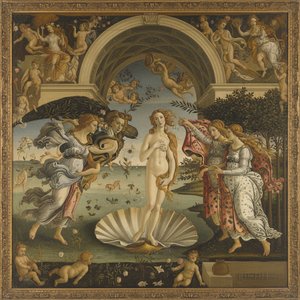
Botticelli: Las 25 Obras Maestras del Renacimiento para Decorar con Arte y Elegancia
Descubre las 25 obras maestras de Sandro Botticelli, el genio del Renacimiento italiano. Explora 'El Nacimiento de Venus', 'Primavera' y más: historia, técnica y belleza clásica. Encuentra reproducciones de arte exclusivas en ArtsDot.com.

10 Obras Maestras del Temple que Revolucionaron la Historia del Arte | ArtsDot
Descubre 10 obras maestras del temple sobre tabla que revolucionaron el arte medieval y renacentista. Explora la historia de Botticelli, Van Eyck y Giotto. Reproducciones de arte de museo para decorar tu hogar con elegancia en ArtsDot.com.
El Resplandor del Tiempo: Explorando la Técnica y el Legado de la Témpera sobre Tabla
Descubra la fascinante historia y técnica de la témpera sobre tabla. Explore los materiales, el simbolismo y la conservación de esta antigua forma de arte con ArtsDot.

Los 10 Maestros del Renacimiento Temprano: Arte que Transformó el Mundo |
Descubre los 10 maestros del Renacimiento Temprano: Botticelli, Leonardo da Vinci y más. Explora la historia, técnica y belleza de obras icónicas italianas. Reproducciones de arte exclusivas en .


