Vista previa
 Compartir
 Compartir
 Ver detalles
 Guía
Guía

 Descargar
 Ver artículos similares
 Radiografía
 Presentación de diapositivas
 Estadísticas
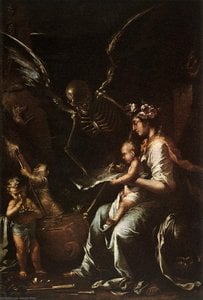
A Witch


 Leer más
Giclée / Impresión de arte
Impresiones giclée o en lienzo de calidad de museo con producción rápida y opciones de acabado flexibles. ( Encargar reproducción pintada a mano Ver versión en imagen digital)




P118B €10

P118H €10

P118W €10

P438Z €10

P508JH €12

P508YH €12

P805H €10

P805Z €10

P919BZ €10

P919G €10

P919XJ €10

P959ZH €10

P968JZ €12

W106C €8

W218G €10

W218JH €8

W218Y €10

W307PJ €10

W316G €10

W316PJ €8

W316Y €10

W398PJ €8

W4111J €10

W500HY €15

W500JH €15

W692G €12

W849H €8

W940BG €15

W953PJ €8




Elija entre nuestros tamaños predefinidos que respetan las proporciones originales de la obra.

Introduzca el ancho y el alto que necesite para adaptarse a su marco o pared. Una impresión solo puede recortarse, nunca hacerse más grande que la imagen original, por lo que un tamaño con una forma distinta perderá parte de la obra. Le enviaremos una maqueta digital para su aprobación antes de realizar cualquier impresión. La imagen que se muestra en esta página no refleja el recorte real; solo la maqueta lo hace.
Envío a todo el mundo () en 2 semanas en lugar de las 4/5 semanas estándar. (19 octubre)

Envío exprés gratuito a todo el mundo

Lienzo de lino de alta calidad

Seguro de envío completo

Garantía de reembolso de impuestos aduaneros

Garantía de fidelidad cromática exacta

Política de devolución de 100 días (solo por defectos)

Garantía de devolución del 100% del dinero

Oferta por volumen
 La opción de vidrio solo está disponible en tamaños inferiores a 110 cm.

A Witch
Giclée / Impresión de arte
Tamaño de la reproducción
-


Precio total
€ 54
A Dramatic Encounter with Darkness: Salvator Rosa’s “Witches’ Sabbath”
Salvator Rosa’s “Witches’ Sabbath,” executed in pen and ink on paper, stands as a testament to the Baroque period's fascination with dramatic realism and psychological intensity. Created around 1646, this drawing transcends mere depiction; it plunges viewers into a scene brimming with unsettling energy and symbolic resonance—a visual distillation of fear, superstition, and the confrontation between reason and primal instinct. Rosa’s masterful use of monochrome contributes powerfully to the artwork's emotive impact, stripping away color to amplify the starkness of the composition and heighten its psychological depth.- Subject Matter: The drawing portrays a chaotic gathering of figures engaged in what appears to be a ritualistic celebration – a witches’ sabbath. These individuals are depicted amidst a desolate landscape, emphasizing isolation and vulnerability against the backdrop of an ominous supernatural presence.
- Style & Technique: Rosa's style aligns perfectly with Baroque principles, prioritizing expressive gesture and dynamic movement over idealized beauty. The artist employs meticulous pen and ink detailing to capture the grotesque expressions and contorted postures of the participants. Visible brushstrokes—though subtle—lend texture to the paper surface, conveying a palpable sense of immediacy and capturing the frenzied atmosphere of the scene.
- Composition: Rosa skillfully arranges the figures within a confined space, creating a claustrophobic effect that underscores the characters’ predicament. The central group is positioned prominently against a dark, rocky outcrop, directing the viewer's gaze towards the unsettling core of the narrative.
Rosa Serrano Sánchez: Bridging Art and Civic Duty
Rosa Serrano Sánchez (1646-1708), born in Valencia, Spain, emerged as a prominent figure during the Baroque era—a period characterized by opulent grandeur and profound spiritual contemplation. Her artistic endeavors weren’t solely driven by aesthetic considerations; Sánchez actively engaged in political life, serving as a diplomat and advocating for reform within her homeland. This dual commitment informs her oeuvre, blending artistic innovation with intellectual engagement and social responsibility.- Notable Works: Sánchez's artistic legacy includes “No se puede ver lo que no se mira,” a captivating painting exploring themes of perception and illusion—a hallmark of Baroque visual culture. Her canvases often depict biblical narratives infused with humanist sensibilities, reflecting the era’s burgeoning interest in philosophical inquiry and moral reflection.
- Influence & Legacy: Sánchez's work resonates across centuries, demonstrating the enduring power of art to communicate complex ideas and emotions. She stands as an exemplar of Baroque artists who sought to elevate artistic expression beyond mere ornamentation, aiming instead for a transformative impact on viewers’ understanding of humanity and its relationship with divinity.
João Artur Rosa Alves: From Football Star to Painter's Vision
João Artur Rosa Alves (born 1983), Portugal—a former professional footballer—transformed his passion for sport into an equally compelling artistic vocation. Alves’s paintings explore themes of nature and emotion, blending abstract expressionism with vivid color palettes and evocative imagery. His artistic journey represents a fascinating intersection between personal experience and creative exploration—a testament to the transformative potential of pursuing multiple passions.- Distinctive Style: Alves's canvases are characterized by bold brushstrokes and textured surfaces, conveying dynamism and spontaneity. He draws inspiration from landscapes and natural forms, translating their beauty and grandeur into emotionally resonant compositions.
- Recognition & Exhibitions: Alves’s artwork has garnered critical acclaim and been showcased in prestigious UK museums—a remarkable achievement for an artist who embarked on his artistic pursuits after a successful career in professional football. His paintings exemplify the contemporary Baroque aesthetic, blending tradition with innovation to create visually arresting and intellectually stimulating experiences.
Salvator Rosa: A Baroque Master's Enduring Impact
Salvator Rosa’s influence extends far beyond his own lifetime—solidifying his position as one of the most significant figures in Baroque art history. His uncompromising artistic vision challenged conventions, prioritizing psychological realism and dramatic intensity over idealized beauty. He championed a humanist perspective that embraced both intellectual curiosity and emotional vulnerability—a legacy that continues to inspire artists today.- Key Characteristics: Rosa’s paintings are distinguished by their masterful use of chiaroscuro—creating striking contrasts between light and shadow—to heighten emotional impact and convey a sense of mystery. His landscapes capture the grandeur and sublime beauty of nature, reflecting the Baroque fascination with exploring the limits of human perception and confronting existential anxieties.
- Continuing Relevance: Rosa’s artistic principles resonate powerfully in contemporary art practice—demonstrating the enduring relevance of Baroque aesthetics to addressing fundamental questions about human experience and artistic expression. Reproductions of his masterpieces are available at ArtsDot, allowing viewers worldwide to appreciate his visionary artistry.
Preguntas y respuestas
¿Los colores de "A Witch" de Salvador Rosa son saturados o tenues?
"A Witch" de Salvador Rosa está registrado con una saturación de Muted.
¿Qué estado de ánimo y emoción expresa "A Witch" de Salvador Rosa?
El estado de ánimo capturado en "A Witch" de Salvador Rosa es Dramatic, y su tono emocional es Melancholic.
¿En qué año se creó "A Witch" de Salvador Rosa?
"A Witch" de Salvador Rosa fue creada en 1646.
Obras relacionadas


Biografía del artista
Vida temprana y formación
Salvator Rosa, pintor barroco italiano, poeta e grabador, nació en Arenella, Nápoles, el 20 de junio o el 21 de julio de 1615. Su madre, Giulia Greca Rosa, pertenecía a una de las familias griegas de Sicilia. A pesar de los deseos de su padre de que se convirtiera en abogado o sacerdote, Salvator demostró una preferencia por las artes desde temprana edad.Trayectoria artística
La carrera artística de Salvator Rosa se caracterizó por su estilo poco ortodoxo y extravagante, lo que lo diferenciaba de sus contemporáneos. Estuvo activo en Nápoles, Roma y Florencia, y su obra estuvo influenciada por el naturalismo de Ribera y el clasicismo de Poussin. Sin embargo, se negó a ser atado por ningún estilo o movimiento particular.- Pitágoras emergiendo del inframundo (Museo de Arte Kimball, Fort Worth, Estados Unidos), una de sus obras más famosas, muestra su mezcla única de temas filosóficos y artísticos.
- Su obra El bautismo del eunuco (Museo de Arte Chrysler, Norfolk, Estados Unidos) demuestra su capacidad para infundir un alto dramatismo incluso en historias bíblicas menores.
Influencias y legado
La obra de Salvator Rosa tuvo un impacto significativo en el desarrollo del arte barroco. Su influencia puede verse en las obras de artistas posteriores, como Luca Giordano, que continuó superando los límites de la expresión artística.Enlaces importantes: Perfil de Salvator Rosa en ArtsDot Wikipedia: Salvator Rosa Pitágoras emergiendo del inframundo en ArtsDotDesarrollo y logros importantes
Rosa se distinguió por su enfoque único de los paisajes, a menudo representando escenas salvajes e indómitas que contrastaban con las vistas clásicas idealizadas de artistas como Claude Lorrain. Sus obras no solo mostraban la naturaleza en su estado más crudo, sino que también exploraban temas filosóficos y morales. Aunque sus habilidades técnicas a veces fueron criticadas, su originalidad e innovación artística eran innegables. Su capacidad para combinar elementos de la historia, la mitología y la filosofía en sus pinturas lo convirtió en una figura singular dentro del arte barroco.Significado histórico
La vida y obra de Salvator Rosa continúan fascinando a los amantes del arte e historiadores por igual. Su estilo poco ortodoxo y su rebelión perpetua contra las normas de su tiempo han cimentado su lugar en la historia del arte barroco. Se le considera un precursor del movimiento romántico, influyendo en artistas posteriores con su visión apasionada y dramática de la naturaleza y la condición humana. El Museo de Arte Kimball y el Museo de Arte Chrysler son instituciones que albergan importantes obras de Rosa.
Salvador Rosa
1615 - 1673 , Italia
Datos clave
- Artistas Que Influyeron:
- Ribera
- Poussin
- Estilo Artístico: Barroco
- Fecha De Muerte: 15 de marzo de 1673
- Fecha De Nacimiento: 20 o 21 de junio de 1615
- Influencia En Artistas: ['Luca Giordano']
- Lugar De Nacimiento: Arenella, Italia
- Nacionalidad: Italiana
- Nombre Completo: Salvator Rosa
- Obras Notables:
- Pitágoras emergiendo del inframundo
- El bautismo del eunuco
Artículos relacionados

Salvator Rosa: A Baroque Rebel's Vision of Landscape, Allegory & the Human Condition
Explore the captivating world of Salvator Rosa, a rebellious Baroque master. Discover his dramatic landscapes, allegorical paintings & lasting influence on Romanticism. Hand-painted reproductions available at ArtsDot.

The Enduring Legacy of Fine Art Prints: Technique, History & Aesthetic Impact
Explore the rich history & techniques of fine art prints. Discover investment potential, assess authenticity, and learn how to preserve your collection with expert guidance. Trusted insights for discerning collectors.

Echoes of Time: Exploring the Enduring Appeal & Historical Context of Vintage Art Prints
Explore the captivating world of vintage art prints! Discover their history, collecting tips & enduring appeal. Expert insights on chromolithography and building a legacy collection with ArtsDot.

Giclée Prints: Archival Quality & Aesthetic Nuances for the Discerning Collector
Explore the world of giclée prints with ArtsDot. Learn about archival quality, aesthetic nuances & investment potential. Expert guidance for discerning art collectors seeking museum-quality reproductions and lasting value.

Drama Barroca: Llevando la Grandeza y la Emoción a los Interiores Contemporáneos
Descubre cómo el drama y la grandeza del arte barroco pueden transformar tus interiores. Guía experta, inspiración y reproducciones de alta calidad en .