


 Vista previa
 Compartir
 Compartir
 Ver detalles

 Descargar
 Ver artículos similares
 Radiografía
 Presentación de diapositivas
 Estadísticas
Bull Head III


 Leer más
Reproducción al óleo hecha a mano
Óleo sobre lienzo pintado a mano en el tamaño y marco de su elección, realizado por encargo por nuestros artistas. ( Cambiar a formato impreso Ver versión en imagen digital)




P118B $10

P118H $10

P118W $10

P438Z $10

P508JH $12

P508YH $12

P805H $10

P805Z $10

P919BZ $10

P919G $10

P919XJ $10

P959ZH $10

P968JZ $12

W106C $8

W218G $10

W218JH $8

W218Y $10

W307PJ $10

W316G $10

W316PJ $8

W316Y $10

W398PJ $8

W4111J $10

W500HY $15

W500JH $15

W692G $12

W849H $8

W940BG $15

W953PJ $8




Elija entre nuestros tamaños predefinidos que respetan las proporciones originales de la obra.

Puede ingresar sus propias dimensiones para adaptarse a un marco o espacio específico. Si el tamaño seleccionado no coincide con las proporciones de la imagen original, recortaremos la obra o extenderemos la pintura con elementos adicionales pintados a mano. Se le enviará una maqueta digital para su aprobación antes de comenzar la producción.
Tenga en cuenta que la vista previa en pantalla no refleja el recorte o la extensión reales. Solo la maqueta mostrará con precisión la composición final.
Si bien existen tamaños personalizados, recomendamos seleccionar una dimensión de la lista predefinida para preservar las proporciones originales.
Tras realizar el pedido, el equipo de ArtsDot.com enviará un correo electrónico al cliente para solicitar instrucciones y proporcionarle una vista previa del boceto.
Envío a todo el mundo () en 3-4 semanas en lugar de las 5 semanas estándar. (18 septiembre). Sin comprometer la calidad.

Envío exprés gratuito a todo el mundo

Lienzo de lino de alta calidad

Seguro de envío completo

Garantía de reembolso de impuestos aduaneros

Garantía de fidelidad cromática exacta

Política de devolución de 100 días (solo por defectos)

Garantía de devolución del 100% del dinero

Oferta por volumen
 La opción de vidrio solo está disponible en tamaños inferiores a 110 cm.

Bull Head III
Técnica de reproducción
Tamaño de la reproducción
-


Precio total
$ 263
A Visual Paradox: The Striking Geometry of Bull Head III
In the vibrant landscape of twentieth-century art, few images command attention with such immediate, graphic authority as Roy Lichtenstein’s Bull Head III. At first glance, the viewer is met with a striking visual paradox: a stylized depiction of a bull's head set against a deceptively simple yellow background, punctuated by bold, rhythmic blue stripes. This juxtaposition establishes what has become Lichtenstein’s signature approach—the ability to elevate the mundane to the monumental through meticulous detail and deliberate abstraction. The composition does not strive for the heavy, textured realism of traditional portraiture; instead, it invites the eye into a world of flattened planes and sharp contrasts, where every line serves a purpose in creating a sense of modern, industrial beauty.
The brilliance of this piece lies in its ability to transform a singular, powerful subject into a playground of color and pattern. The yellow field acts as a luminous stage, while the blue stripes provide a structural cadence that guides the viewer's gaze across the canvas. It is an artwork that feels both incredibly modern and timelessly bold, making it an ideal centerpiece for those looking to inject a sense of curated energy into a contemporary interior.
The Alchemy of Pop: Technique and the Ben-Day Revolution
To truly appreciate Bull Head III, one must look closer at the surface, where the artist’s technical mastery reveals itself through the illusion of mechanical reproduction. Lichtenstein was a pioneer in employing the Ben-Day printing technique, a method famously used in commercial advertising and comic books to create shading and secondary colors. By painstakingly applying halftone dots, he simulated the look of mass-produced screen printing, effectively blurring the line between "high art" and "low culture."
This meticulous application of dots creates a fascinating texture that defies conventional painting techniques. While the overall effect appears flat and graphic, there is a hidden depth found in the subtle variations of hue and the precision of the outlines. For the collector or designer, this technique offers a unique tactile quality; even in a high-quality reproduction, the interplay of these dots captures the rhythmic, mechanical heartbeat of the Pop Art movement. It is a celebration of the industrial age, rendered with the hand of a master who found poetry in the precision of the printing press.
Strength and Subversion: Symbolism in a Changing World
Created in 1973, Bull Head III emerged during a period of profound cultural upheaval. As the art world moved away from the raw, emotional intensity of Abstract Expressionism, Lichtenstein championed accessibility and engagement with popular culture. The bull itself is an ancient symbol of strength, virility, and unyielding power. However, by rendering this powerful creature in a flattened, stylized manner, Lichtenstein subtly undermines its inherent grandeur. He strips the subject of its organic ferocity and replaces it with a calculated, aestheticized version of power.
This subversion is where the emotional impact of the work truly resides. There is a playful tension between the "tough" subject matter and the "soft," commercialized execution. For an art lover, this piece serves as a profound interrogation of how we consume images in a modern, media-saturated age. It challenges us to find meaning in the fragments of our visual landscape—the advertisements, the comics, and the mass-produced icons that surround us daily. Owning such a piece is not merely about decoration; it is about possessing a fragment of a revolution that forever changed how we perceive the boundaries of fine art.
Obras relacionadas


Biografía del artista
vida temprana y educación
Roy Fox Lichtenstein, un destacado artista pop estadounidense, nació el 27 de octubre de 1923 en la ciudad de Nueva York. Creció en una familia judía de clase media alta, con su padre como corredor de bienes raíces y su madre como ama de casa. El interés de Lichtenstein por el arte y el diseño comenzó como un pasatiempo durante sus años escolares.Carrera artística
Después de completar su educación secundaria en la Dwight School en 1940, Lichtenstein asistió a la Art Students League of New York bajo la tutela de Reginald Marsh. Luego continuó con una licenciatura en artes visuales de la Universidad de Ohio, que fue interrumpida por un servicio militar de tres años durante la Segunda Guerra Mundial.- Look Mickey (1961, Galería Nacional de Arte, Washington D.C.), una de las primeras obras pop art de Lichtenstein, marcó el comienzo de su influyente carrera.
- Su trabajo estuvo fuertemente influenciado por los estilos de publicidad y cómics populares, con obras notables como Wham!, Drowning Girl y Oh, Jeff... I love you too... but...
- La obra más cara de Lichtenstein, Masterpiece, se vendió por 165 millones de dólares en enero de 2017.
Enseñanza e influencias
Lichtenstein enseñó en varias instituciones, incluyendo la Universidad Estatal de Nueva York en Oswego y la Universidad Rutgers. Su trabajo fue influenciado por Allan Kaprow, un colega profesor en Rutgers, lo que reavivó su interés en las imágenes proto-pop. Exposiciones notables:- The Museum Chambre de Commerce (Tolosa, Francia), que presentaba varias obras de arte, incluyendo aquellas del movimiento pop art.
- El trabajo de Lichtenstein fue exhibido en la Leo Castelli Gallery en la ciudad de Nueva York, con su primera exposición individual en 1962 siendo comprada por completo por coleccionistas influyentes antes de que abriera.
Legado e impacto
Roy Lichtenstein falleció el 29 de septiembre de 1997, dejando atrás un legado como figura destacada del movimiento pop art. Su obra continúa siendo celebrada por su innovadora mezcla de arte alto y bajo, haciendo que sea accesible a una audiencia más amplia.- Explore más obras de Lichtenstein en ArtsDot.com
- Descubra el mundo del pop art y sus influyentes artistas en Pop Art y más allá: navegando los estilos contemporáneos con ArtsDot.com

Roy Lichtenstein
1923 - 1997 , Estados Unidos de América
Datos clave
- Artistas Que Influyeron:
- Reginald Marsh
- Allan Kaprow
- Fecha De Muerte: 29 de septiembre de 1997
- Fecha De Nacimiento: 27 de octubre de 1923
- Lugar De Nacimiento: Manhattan, EE. UU.
- Movimiento Artístico: Pop Art
- Nacionalidad: Estadounidense
- Nombre Completo: Roy Lichtenstein
- Obras Notables:
- Look Mickey
- Whaam!
- Drowning Girl
- Masterpiece
Artículos relacionados

Giclée Prints: Archival Quality & Aesthetic Nuances for the Discerning Collector
Explore the world of giclée prints with ArtsDot. Learn about archival quality, aesthetic nuances & investment potential. Expert guidance for discerning art collectors seeking museum-quality reproductions and lasting value.

Roy Lichtenstein: Las 25 Obras Maestras del Pop Art que Transformaron el Arte y la Decoración
Descubre las 25 obras maestras de Roy Lichtenstein, ícono del Pop Art. Explora su innovadora técnica, colores vibrantes y el impacto cultural de sus cuadros más famosos. Reproducciones de arte exclusivas en ArtsDot.com.

Los 10 Maestros del Pop Art: Obras Icónicas para Decorar con Estilo
Descubre los 10 iconos del Pop Art: Warhol, Lichtenstein y más. Explora la historia, técnica y significado de estas obras maestras que revolucionaron el arte moderno. Encuentra reproducciones exclusivas en .

The Enduring Legacy of Fine Art Prints: Technique, History & Aesthetic Impact
Explore the rich history & techniques of fine art prints. Discover investment potential, assess authenticity, and learn how to preserve your collection with expert guidance. Trusted insights for discerning collectors.
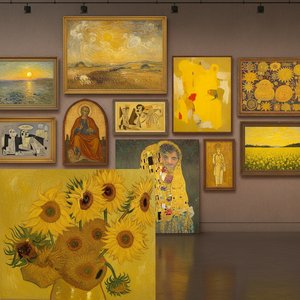
Los 10 cuadros más famosos dominados por el 'amarillo cromo': Arte y decoración
Descubre los 10 cuadros más emblemáticos dominados por el 'amarillo cromo': Van Gogh, Monet y otros maestros. Historia del arte, técnicas y decoración con lienzos impresionistas. ¡Explora la colección completa en ArtsDot.com!


