Vista previa
 Compartir
 Compartir
 Ver detalles

 Descargar
 Ver similares
 Radiografía
 Presentación de diapositivas
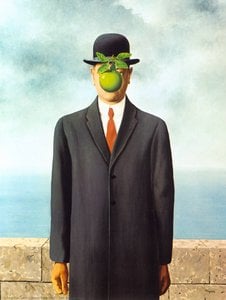
The Bather


 Leer más
Giclée / Impresión de arte
Impresiones giclée o en lienzo de calidad de museo con producción rápida y opciones de acabado flexibles. ( Encargar reproducción pintada a mano Comprar descarga)




P118B $10

P118H $10

P118W $10

P438Z $10

P508JH $12

P508YH $12

P805H $10

P805Z $10

P919BZ $10

P919G $10

P919XJ $10

P959ZH $10

P968JZ $12

W106C $8

W218G $10

W218JH $8

W218Y $10

W307PJ $10

W316G $10

W316PJ $8

W316Y $10

W398PJ $8

W4111J $10

W500HY $15

W500JH $15

W692G $12

W849H $8

W940BG $15

W953PJ $8




Elija entre nuestros tamaños predefinidos que respetan las proporciones originales de la obra.

Puede introducir sus propias dimensiones para adaptarse a un marco o espacio específico. Si el tamaño seleccionado no coincide con las proporciones de la imagen original, recortaremos la obra de arte o extenderemos la imagen con un borde con efecto espejo o de color sólido. Se enviará una maqueta digital para su aprobación antes de que comience la producción.
Tenga en cuenta que la vista previa en pantalla no refleja el recorte o la extensión real. Solo la maqueta mostrará con precisión la composición final.
Aunque existen tamaños personalizados, recomendamos seleccionar una dimensión de la lista predefinida para preservar las proporciones originales.
Envío a todo el mundo () en 2 semanas en lugar de las 4/5 semanas estándar. (13 agosto)

Envío exprés gratuito a todo el mundo

Lienzo de lino de alta calidad

Seguro de envío completo

Garantía de reembolso de aranceles aduaneros

Garantía de fidelidad cromática exacta

Política de devolución de 60 días (solo por defectos)

Garantía de devolución del 100% del dinero

Oferta por volumen
 La opción de vidrio solo está disponible en tamaños inferiores a 110 cm.

The Bather
Giclée / Impresión de arte
Tamaño de la reproducción
-


Precio total
$ 62
Descripción de la pieza
A Surrealist Meditation on Absence and Perception: René Magritte’s “The Bather”
René Magritte's "The Bather," painted in 1925, stands as a cornerstone of Surrealist art—a deceptively simple composition brimming with intellectual depth and unsettling ambiguity. Created during the burgeoning artistic movement that sought to liberate the subconscious mind from rational constraints, this artwork transcends mere visual representation, inviting viewers into a contemplation of reality itself. Its enduring fascination stems not just from its striking imagery but also from Magritte’s masterful manipulation of perspective and symbolism, prompting ongoing interpretations and cementing its place in art history.- Subject Matter: The painting depicts a nude woman reclining on a stone surface—a commonplace scene rendered extraordinary by Magritte's deliberate choices.
- Style & Technique: Executed in Art Deco style, “The Bather” showcases Magritte’s signature technique of trompe-l'œil – an illusionistic painting that aims to deceive the eye. The artist employs a muted palette dominated by earthy tones—beige and grey—further enhancing the sense of stillness and isolation.
Obras relacionadas


Biografía del artista
vida temprana y comienzos artísticos
René François Ghislain Magritte, un reconocido artista surrealista belga, nació el 21 de noviembre de 1898 en Lessines, provincia de Hainaut, Bélgica. Su vida temprana permanece algo misteriosa, con poco conocimiento sobre su infancia. Sin embargo, está documentado que comenzó clases de dibujo en 1910.evolución artística e influencias
El estilo artístico de Magritte evolucionó significativamente a lo largo de los años, influenciado por diversos movimientos como el impresionismo, el futurismo y el cubismo. Sus primeras pinturas, datadas alrededor de 1915, eran de estilo impresionista. De 1916 a 1918, estudió en la Academia Real de Bellas Artes de Bruselas, bajo Constant Montald.período surrealista y obras notables
En 1926, Magritte produjo su primer cuadro surrealista, El jinete perdido (Le jockey perdu), marcando el comienzo de su asociación con el movimiento surrealista. Su obra se caracteriza por imágenes provocadoras, a menudo representando objetos ordinarios en contextos inusuales, desafiando las percepciones de la realidad de los observadores.- Les amants (1927-1928), una serie de pinturas que presentan a personas con tela cubriendo sus rostros, se cree que fue inspirada por la historia de la muerte de su madre.
- Los amantes, otra pieza icónica, presenta a una pareja besándose con sus rostros cubiertos por telas blancas, invitando al espectador a reflexionar sobre el amor y la identidad. (disponible para su compra como una reproducción de pintura al óleo hecha a mano o impresión en lienzo en ArtsDot.com)
vida tardía y legado
La obra de Magritte fue exhibida en los Estados Unidos en 1936 y nuevamente en dos exposiciones retrospectivas, una en el Museo de Arte Moderno en 1965 y la otra en el Metropolitan Museum of Art en 1992. Se mantuvo comprometido con la izquierda política pero abogó por la autonomía artística. Museos notables que exhiben la obra de Magritte:- Musée royal des beaux-arts de Belgique, Bruselas, Bélgica (descubra las obras maestras del musée royal des beaux-arts de belgique en ArtsDot.com)
- Musée Magritte, parte del musée royal des beaux-arts de Belgique, que exhibe la colección mundial más grande de obras de Magritte.
Conclusión
El legado de René Magritte como maestro surrealista perdura, con sus imágenes provocadoras que continúan inspirando e intrigando. Su obra, caracterizada por su mezcla única del ordinario y lo inesperado, sigue siendo un pilar fundamental del arte surrealista. Más información sobre René Magritte
René Magritte
1898 - 1967 , bélgica
Datos clave
- Artistas Que Influyeron:
- Impresionismo
- Futurismo
- Cubismo
- Estilo Artístico: Surrealismo
- Fecha De Muerte: 15 de agosto de 1967
- Fecha De Nacimiento: 21 de noviembre de 1898
- Influenciado A Artistas:
- Pop Art
- Minimalismo
- Arte conceptual
- Lugar De Nacimiento: Lessines, Bélgica
- Nacionalidad: Belga
- Nombre Completo: René François Ghislain Magritte
- Obras Notables:
- Le Jockey Perdu
- Les Amants
- La traición de las imágenes
- Tiempo transcurrido
- La condición humana
Artículos relacionados

Henri Matisse: Las 25 Obras Maestras que Definieron un Genio del Color | ArtsDot
Descubre las 25 obras maestras de Henri Matisse, el rey del color y padre del fauvismo. Explora su arte moderno, lienzos vibrantes y la historia detrás de cada pintura icónica. Encuentra reproducciones de alta calidad en ArtsDot.com.

René Magritte: Las 25 Obras Maestras del Surrealismo para Inspirar tu Hogar
Descubre las 25 obras maestras de René Magritte, el rey del surrealismo. Explora su arte moderno, significado oculto y técnica única. Encuentra reproducciones de alta calidad e inspira tu hogar con ArtsDot.com.

Surrealismo Expresionista: 10 Obras Maestras que Transformaron el Arte | ArtsDot
Descubre las 10 obras maestras del Surrealismo Expresionista con ArtsDot. Explora la historia de Dalí, Magritte y Miró, su técnica y significado. Encuentra reproducciones de arte exclusivas para transformar tu hogar. ¡Explora la colección completa en ArtsDot.com!

Édouard Manet: Las 25 Obras Maestras del Impresionismo para Decorar tu Hogar con Arte
Descubre las 25 obras maestras de Édouard Manet, el rebelde del impresionismo. Explora su historia, técnica y significado en cada cuadro famoso. Reproducciones de arte de museo para decorar tu hogar con estilo. ¡Explora la colección completa en ArtsDot.com!

Echoes of Time: Exploring the Enduring Appeal & Historical Context of Vintage Art Prints
Explore the captivating world of vintage art prints! Discover their history, collecting tips & enduring appeal. Expert insights on chromolithography and building a legacy collection with ArtsDot.