 Vista previa
 Compartir
 Compartir
 Ver detalles

 Descargar
 Ver similares
 Radiografía
 Presentación de diapositivas
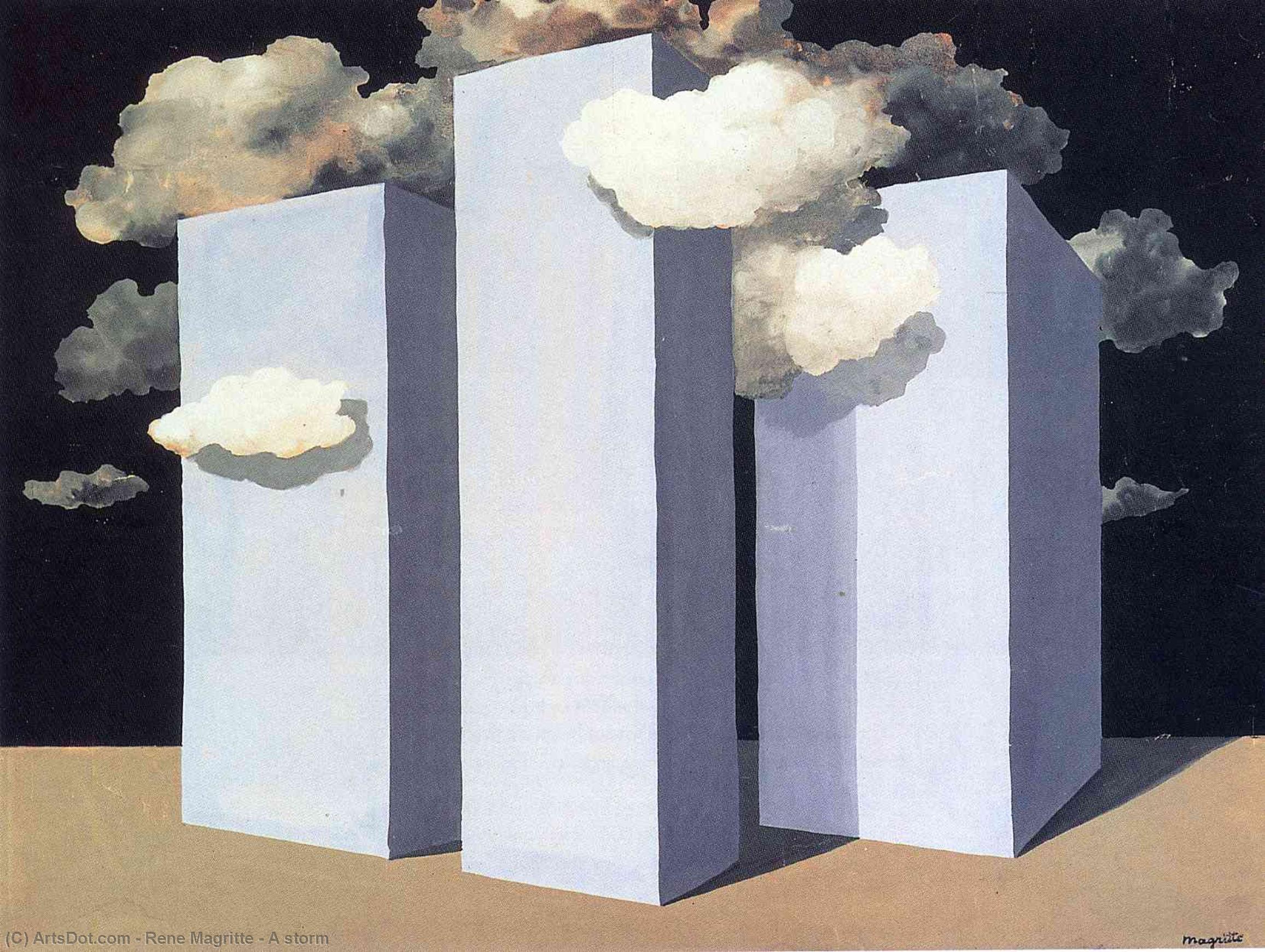
A storm
 Acrylic On Canvas
- WallArt
- Surrealism
 1932
1932 40.0 x 56.0 cm
 Leer más
Giclée / Impresión de arte
Impresiones giclée o en lienzo de calidad de museo con producción rápida y opciones de acabado flexibles. ( Cambiar a pintura hecha a mano Cambiar a imagen)




P118B $10

P118H $10

P118W $10

P438Z $10

P508JH $12

P508YH $12

P805H $10

P805Z $10

P919BZ $10

P919G $10

P919XJ $10

P959ZH $10

P968JZ $12

W106C $8

W218G $10

W218JH $8

W218Y $10

W307PJ $10

W316G $10

W316PJ $8

W316Y $10

W398PJ $8

W4111J $10

W500HY $15

W500JH $15

W692G $12

W849H $8

W940BG $15

W953PJ $8




Elija entre nuestros tamaños predefinidos que respetan las proporciones originales de la obra.

Puede introducir sus propias dimensiones para adaptarse a un marco o espacio específico. Si el tamaño seleccionado no coincide con las proporciones de la imagen original, recortaremos la obra de arte o extenderemos la imagen con un borde con efecto espejo o de color sólido. Se enviará una maqueta digital para su aprobación antes de que comience la producción.
Tenga en cuenta que la vista previa en pantalla no refleja el recorte o la extensión real. Solo la maqueta mostrará con precisión la composición final.
Aunque existen tamaños personalizados, recomendamos seleccionar una dimensión de la lista predefinida para preservar las proporciones originales.
Envío a todo el mundo () en 2 semanas en lugar de las 4/5 semanas estándar. (7 agosto)

Envío exprés gratuito a todo el mundo

Lienzo de lino de alta calidad

Seguro de envío completo

Garantía de reembolso de aranceles aduaneros

Garantía de fidelidad cromática exacta

Política de devolución de 60 días (solo por defectos)

Garantía de devolución del 100% del dinero

Oferta por volumen
 La opción de vidrio solo está disponible en tamaños inferiores a 110 cm.

A storm
Giclée / Impresión de arte
Tamaño de la reproducción
-


Precio total
$ 62
Descripción de la pieza
The Enigmatic Landscape: Unpacking “A Storm”
René Magritte’s “A Storm,” painted in 1932, isn't merely a depiction of turbulent skies; it’s an invitation to question the very nature of perception and representation. This arresting work, rendered in gouache on paper, immediately confronts the viewer with three stark, rectangular monoliths dominating a swirling vortex of dark clouds. These imposing forms, devoid of any discernible features beyond their geometric precision, seem utterly incongruous within the chaotic backdrop – yet they possess an undeniable sense of stability and order. The painting’s power lies in this deliberate contrast: the rigid structure versus the fluid, unpredictable forces of nature. It's a visual paradox that invites prolonged contemplation, prompting us to consider how our minds construct meaning from the world around us.
The choice of gouache as the medium is crucial to understanding Magritte’s aesthetic. This opaque watercolor offers a unique blend of richness and control, allowing for precise detailing while maintaining a certain atmospheric depth. The limited palette – primarily shades of gray, white, and black – further emphasizes the painting's starkness and reinforces its symbolic weight. Notice how Magritte masterfully uses light and shadow to sculpt the forms of the towers, creating an illusion of volume against the diffuse backdrop. This subtle manipulation of form is a hallmark of his style, designed to subtly disrupt our expectations and challenge our assumptions about what we’re seeing.
Roots in Surrealism: The Seeds of Uncertainty
“A Storm” firmly establishes itself within the broader context of Surrealist art. Emerging from the aftermath of World War I, Surrealism sought to liberate the unconscious mind and reject rational thought. Magritte, though often associated with a more restrained form of surrealism than some of his contemporaries like Dalí, shared this core ambition – to expose the hidden realities beneath the surface of everyday experience. The painting’s unsettling juxtaposition of familiar forms (the buildings) within an unfamiliar context (a violent storm) directly reflects this Surrealist impulse. It's a deliberate attempt to create a dreamlike atmosphere, where logic and reason are suspended, and the subconscious takes precedence.
Interestingly, Magritte’s early life experiences profoundly shaped his artistic vision. The tragic loss of his mother at a young age – her body recovered from the River Sambre with her dress obscuring her face – became a recurring motif in his work. This haunting image, imbued with mystery and unresolved grief, is subtly present in “A Storm” through the veiled nature of the towers. They are not simply buildings; they represent something concealed, something lost, mirroring the lingering presence of trauma within the artist’s psyche. The storm itself can be interpreted as a metaphor for this internal turmoil, a visual representation of suppressed emotions and unresolved grief.
Symbolism and Emotional Resonance
Beyond its formal qualities, “A Storm” is rich in symbolic meaning. The towers, with their unwavering verticality, could represent the constraints of societal norms or perhaps even the artist’s own internal struggles against conformity. Conversely, the swirling storm embodies chaos, uncertainty, and the overwhelming power of nature – forces beyond our control. The contrast between these elements creates a powerful tension, reflecting the human condition's inherent duality: the desire for order versus the inevitability of disruption. The painting evokes a sense of unease and contemplation, prompting us to confront our own anxieties about the unknown.
Ultimately, “A Storm” is not simply a landscape; it’s an exploration of perception, memory, and the subconscious mind. It's a testament to Magritte’s ability to create works that are both visually striking and intellectually stimulating. A ArtsDot reproduction offers a remarkable opportunity to experience this masterpiece in exquisite detail, allowing you to delve deeper into its enigmatic depths and appreciate the genius of one of the 20th century’s most influential artists.
Obras relacionadas


Biografía del artista
vida temprana y comienzos artísticos
René François Ghislain Magritte, un reconocido artista surrealista belga, nació el 21 de noviembre de 1898 en Lessines, provincia de Hainaut, Bélgica. Su vida temprana permanece algo misteriosa, con poco conocimiento sobre su infancia. Sin embargo, está documentado que comenzó clases de dibujo en 1910.evolución artística e influencias
El estilo artístico de Magritte evolucionó significativamente a lo largo de los años, influenciado por diversos movimientos como el impresionismo, el futurismo y el cubismo. Sus primeras pinturas, datadas alrededor de 1915, eran de estilo impresionista. De 1916 a 1918, estudió en la Academia Real de Bellas Artes de Bruselas, bajo Constant Montald.período surrealista y obras notables
En 1926, Magritte produjo su primer cuadro surrealista, El jinete perdido (Le jockey perdu), marcando el comienzo de su asociación con el movimiento surrealista. Su obra se caracteriza por imágenes provocadoras, a menudo representando objetos ordinarios en contextos inusuales, desafiando las percepciones de la realidad de los observadores.- Les amants (1927-1928), una serie de pinturas que presentan a personas con tela cubriendo sus rostros, se cree que fue inspirada por la historia de la muerte de su madre.
- Los amantes, otra pieza icónica, presenta a una pareja besándose con sus rostros cubiertos por telas blancas, invitando al espectador a reflexionar sobre el amor y la identidad. (disponible para su compra como una reproducción de pintura al óleo hecha a mano o impresión en lienzo en ArtsDot.com)
vida tardía y legado
La obra de Magritte fue exhibida en los Estados Unidos en 1936 y nuevamente en dos exposiciones retrospectivas, una en el Museo de Arte Moderno en 1965 y la otra en el Metropolitan Museum of Art en 1992. Se mantuvo comprometido con la izquierda política pero abogó por la autonomía artística. Museos notables que exhiben la obra de Magritte:- Musée royal des beaux-arts de Belgique, Bruselas, Bélgica (descubra las obras maestras del musée royal des beaux-arts de belgique en ArtsDot.com)
- Musée Magritte, parte del musée royal des beaux-arts de Belgique, que exhibe la colección mundial más grande de obras de Magritte.
Conclusión
El legado de René Magritte como maestro surrealista perdura, con sus imágenes provocadoras que continúan inspirando e intrigando. Su obra, caracterizada por su mezcla única del ordinario y lo inesperado, sigue siendo un pilar fundamental del arte surrealista. Más información sobre René Magritte
René Magritte
1898 - 1967 , bélgica
Datos clave
- Artistas Que Influyeron:
- Impresionismo
- Futurismo
- Cubismo
- Estilo Artístico: Surrealismo
- Fecha De Muerte: 15 de agosto de 1967
- Fecha De Nacimiento: 21 de noviembre de 1898
- Influenciado A Artistas:
- Pop Art
- Minimalismo
- Arte conceptual
- Lugar De Nacimiento: Lessines, Bélgica
- Nacionalidad: Belga
- Nombre Completo: René François Ghislain Magritte
- Obras Notables:
- Le Jockey Perdu
- Les Amants
- La traición de las imágenes
- Tiempo transcurrido
- La condición humana
Artículos relacionados

René Magritte: Las 25 Obras Maestras del Surrealismo para Inspirar tu Hogar
Descubre las 25 obras maestras de René Magritte, el rey del surrealismo. Explora su arte moderno, significado oculto y técnica única. Encuentra reproducciones de alta calidad e inspira tu hogar con ArtsDot.com.

Claude Monet: Las 25 Obras Maestras del Impresionismo para Decorar tu Hogar con Arte
Descubre las 25 obras maestras de Claude Monet, el padre del impresionismo. Explora la historia, técnica y belleza de sus paisajes, nenúfares y 'Impresión, sole levant'. Encuentra reproducciones de arte exclusivas en ArtsDot.com.

Gris Maestros: Los 10 Cuadros Más Famosos Dominados por el Color Gris |
Descubre los 10 cuadros más famosos dominados por el gris. Explora la historia, técnica y significado de obras maestras de Monet, Van Gogh, Hopper y otros artistas icónicos. Encuentra reproducciones de arte en .

Los 10 Cuadros Más Famosos Dominados por el Verde Cromado: Arte y Decoración
Descubre los 10 cuadros más famosos dominados por el verde cromado. Explora la historia, artistas como Monet y Renoir, e inspírate para decorar tu hogar con lienzos impresionistas. Reproducciones de arte en .
Marianne North: Las 25 Obras Maestras de una Artista Victoriana en ArtsDot
Descubre las 25 obras maestras de Marianne North, la artista victoriana que capturó la belleza exótica de la botánica. Pinturas vibrantes y llenas de historia. Reproducciones de arte exclusivas en ArtsDot.com.