Vista previa
 Compartir
 Compartir
 Ver detalles

 Descargar
 Ver similares
 Radiografía
 Presentación de diapositivas
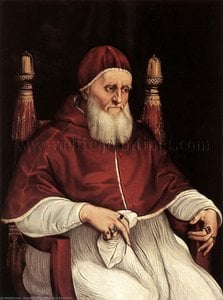
The sistine madonna (detail)2

 Leer más
Reproducción al óleo hecha a mano
Óleo sobre lienzo pintado a mano en el tamaño y marco de su elección, realizado por encargo por nuestros artistas. ( Pedir impresión Comprar descarga)




P118B $10

P118H $10

P118W $10

P438Z $10

P508JH $12

P508YH $12

P805H $10

P805Z $10

P919BZ $10

P919G $10

P919XJ $10

P959ZH $10

P968JZ $12

W106C $8

W218G $10

W218JH $8

W218Y $10

W307PJ $10

W316G $10

W316PJ $8

W316Y $10

W398PJ $8

W4111J $10

W500HY $15

W500JH $15

W692G $12

W849H $8

W940BG $15

W953PJ $8




Elija entre nuestros tamaños predefinidos que respetan las proporciones originales de la obra.

Puede ingresar sus propias dimensiones para adaptarse a un marco o espacio específico. Si el tamaño seleccionado no coincide con las proporciones de la imagen original, recortaremos la obra o extenderemos la pintura con elementos adicionales pintados a mano. Se le enviará una maqueta digital para su aprobación antes de comenzar la producción.
Tenga en cuenta que la vista previa en pantalla no refleja el recorte o la extensión reales. Solo la maqueta mostrará con precisión la composición final.
Si bien existen tamaños personalizados, recomendamos seleccionar una dimensión de la lista predefinida para preservar las proporciones originales.
Tras realizar el pedido, el equipo de ArtsDot.com enviará un correo electrónico al cliente para solicitar instrucciones y proporcionarle una vista previa del boceto.
Envío a todo el mundo () en 3-4 semanas en lugar de las 5 semanas estándar. (21 agosto). Sin comprometer la calidad.

Envío exprés gratuito a todo el mundo

Lienzo de lino de alta calidad

Seguro de envío completo

Garantía de reembolso de aranceles aduaneros

Garantía de fidelidad cromática exacta

Política de devolución de 60 días (solo por defectos)

Garantía de devolución del 100% del dinero

Oferta por volumen
 La opción de vidrio solo está disponible en tamaños inferiores a 110 cm.

The sistine madonna (detail)2
Técnica de reproducción
Tamaño de la reproducción
-


Precio total
$ 263
Descripción de la obra
The Sistine Madonna: A Celestial Encounter
Raphael’s *Sistine Madonna*, painted between 1512 and 1514 for the Basilica of San Sisto in Piacenza, Italy, is far more than a depiction of the Virgin Mary and Child; it's an immersive experience, a carefully orchestrated dialogue between heaven and earth. Commissioned by Pope Julius II as an altarpiece honoring his deceased uncle, Pope Sixtus IV, the painting transcends its initial purpose to become one of the most iconic images in Western art history – a testament to Raphael’s mastery of composition, color, and the profound beauty of Renaissance ideals. The scene unfolds within a hazy, cloud-filled expanse, suggesting an ethereal realm where earthly concerns momentarily recede. The figures themselves are bathed in a soft, diffused light, creating a sense of serenity and timelessness that draws the viewer into their world.
Raphael’s genius lies not just in his technical skill – though it is undeniably exceptional – but also in his ability to imbue the painting with layers of meaning. The composition is meticulously balanced, guiding the eye from the central Madonna and Child towards the flanking saints, Saint Sixtus and Saint Barbara. These figures, chosen for their association with the church of San Sisto, represent a connection between the earthly realm and the divine. The putti, cherubic figures dancing amongst the clouds, add a touch of playful innocence and reinforce the painting’s theme of grace and spiritual elevation. Notice how Raphael subtly incorporates elements of classical antiquity – the drapery echoes ancient Roman sculpture, while the overall structure reflects Renaissance architectural principles.
A Symphony of Color and Technique
The *Sistine Madonna* is a prime example of Raphael's mastery of sfumato, a technique developed by Leonardo da Vinci that employs subtle gradations of light and shadow to create an atmospheric effect. This blurring of outlines softens the figures’ features, lending them an almost dreamlike quality. The colors are rich and luminous – deep blues and purples dominate the background, contrasted with the warm tones of the Madonna's robes and the delicate pinks and yellows of the Child Jesus. Raphael employed a meticulous layering technique, applying thin glazes of paint to build up depth and luminosity. This painstaking process is evident in the intricate details of the drapery, the delicate folds of the angels’ wings, and the subtle variations in color throughout the painting.
The use of gold leaf – particularly in the halos surrounding the figures – further enhances the painting's splendor and reinforces its sacred nature. Raphael’s attention to detail is remarkable; every element, from the smallest fold in a garment to the expression on the Madonna’s face, has been carefully considered and executed with precision. The painting was created using oil paints on a poplar wood panel, a common medium for Renaissance artists. This choice of material contributed to the richness and vibrancy of the colors.
Symbolism and Spiritual Resonance
Beyond its technical brilliance, the *Sistine Madonna* is laden with symbolism. The cloud-filled background represents the heavens, suggesting that the Virgin Mary is ascending to meet Christ. The presence of Saint Sixtus and Saint Barbara underscores the painting’s connection to the church and its history. The two putti, often interpreted as representing innocence and divine grace, symbolize the promise of salvation. Many art historians believe Raphael intended the painting to evoke a sense of awe and reverence, inviting viewers to contemplate the mysteries of faith and redemption.
The image’s enduring appeal lies in its ability to resonate with viewers on an emotional level. The serene beauty of the Madonna and Child, combined with the ethereal atmosphere of the background, creates a feeling of peace and tranquility. It's a scene that speaks to our deepest hopes and aspirations – a reminder of the divine presence in our lives and the promise of eternal salvation. The *Sistine Madonna* continues to captivate audiences centuries after its creation, solidifying Raphael’s legacy as one of the greatest artists of all time.
Bringing the Masterpiece Home
Reproductions of the *Sistine Madonna* offer a stunning way to bring this iconic artwork into your home or office. ArtsDot offers high-quality hand-painted reproductions that faithfully capture the painting’s beauty and detail, using archival materials for lasting preservation. Whether you're an art enthusiast, a collector, or simply seeking to add a touch of timeless elegance to your space, a *Sistine Madonna* reproduction is a beautiful and meaningful addition to any collection. Explore our selection today and experience the magic of Raphael’s masterpiece firsthand.
Obras relacionadas


Biografía del artista
**vida temprana y formación**
Rafael (rafaello sanzio da urbino), un renombrado pintor y arquitecto italiano, nació entre el 28 de marzo y el 6 de abril de 1483, en la pequeña pero culturalmente significativa ciudad de Urbino. Su padre, Giovanni Santi, era pintor de corte para el duque, proporcionando a Rafael una exposición temprana al mundo artístico. Después de fallecer su padre a los once años, Rafael probablemente administró el taller familiar, consolidando aún más su base artística.**carrera artística e influencias**
El viaje artístico de Rafael puede categorizarse en tres fases distintas, cada una marcada por un estilo único:- primeros años en Umbría: caracterizado por la influencia de su padre y el ambiente cultural de Urbino.
- período florentino (1504-1508): absorbiendo las tradiciones artísticas de Florencia, que influyeron significativamente en su estilo.
- período romano (1508-1520): trabajando para dos papas y sus asociados, produciendo algunas de sus obras más celebradas, incluyendo la escuela de Atenas en la stanza della segnatura del Vaticano.
**obras notables y legado**
Algunas de las obras notables de Rafael incluyen:- el juicio de Salomón (ver en ArtsDot)
- la madona de Esterházy (ver en ArtsDot)
- Stanze Vaticane - vista de la stanza della segnatura (ver en ArtsDot)
- San Sebastián (ver en ArtsDot)
- La dama velada (ver en ArtsDot)
**influencia y legado**
La influencia de Rafael en el arte es profunda, con su obra siendo un pilar del Renacimiento italiano. Su estilo sereno y armonioso ha sido un modelo para la pintura neoclásica, como señaló el historiador de arte Johann Joachim Winckelmann. A pesar de la influencia posterior del estilo de Miguel Ángel, Rafael sigue siendo uno de los artistas más reverenciados en la historia. ver el perfil de Rafael en ArtsDot
Rafael
1483 - 1520 , Italia
Datos clave
- Artistas Influyentes:
- Giovanni Santi
- Pietro Perugino
- Estilo Artístico: Alto Renacimiento
- Fecha De Muerte: 06/04/1520
- Fecha De Nacimiento: 28/03/1483
- Influencia En Artistas: Neoclasicismo
- Lugar De Nacimiento: Urbino, Italia
- Nacionalidad: Italiano
- Nombre Completo: Rafael (Raffaello Sanzio)
- Obras Notables:
- El Juicio de Salomón
- Madonna del Cardellino
- La Escuela de Atenas
- San Sebastián
- La Dama Velada
Artículos relacionados

Rafael: Las 25 Obras Maestras que Definen al Genio del Renacimiento | ArtsDot
Descubre las 25 obras maestras de Rafael Sanzio, el genio del Renacimiento. Explora su historia, técnica y significado en pinturas icónicas como 'La Escuela de Atenas'. Reproducciones de arte de alta calidad para decorar tu hogar con elegancia. ¡Explora la colección completa en ArtsDot.com!

Fra Angelico: Las 25 Obras Maestras del Renacimiento para Decorar con Arte y Fe
Descubre las 25 obras maestras de Fra Angelico, el pintor renacentista que llenó el arte sacro de luz y fe. Explora su técnica, simbolismo y belleza en frescos e iconos. Encuentra reproducciones de alta calidad para decorar tu hogar con ArtsDot.com.

Los 25 Tesoros del Uffizi: Arte Renacentista para tu Hogar | ArtsDot
Descubre los 25 tesoros del Uffizi en Florencia: Botticelli, Leonardo da Vinci y más. Explora la historia, el arte renacentista y encuentra reproducciones de alta calidad para tu hogar. ¡Inspírate con ArtsDot.com!
Pietro Perugino: Umbrian Master of Serenity & Precursor to Raphael's High Renaissance
Explore the life & art of Pietro Perugino, a pivotal Renaissance master and Raphael’s influential teacher. Discover his serene compositions, Sistine Chapel frescoes, and lasting legacy with ArtsDot.
Los 25 Tesoros de la Alte Pinakothek: Arte Renacentista y Barroco en Munich
Descubre los 25 tesoros de la Alte Pinakothek en Munich. Explora obras maestras de Dürer, Rembrandt y Rubens. Historia del arte renacentista y barroco para inspirar tu hogar. Reproducciones de alta calidad en ArtsDot.com.