 Compartir
 Compartir
 Ver detalles

 Descargar
 Ver similares
 Presentación de diapositivas
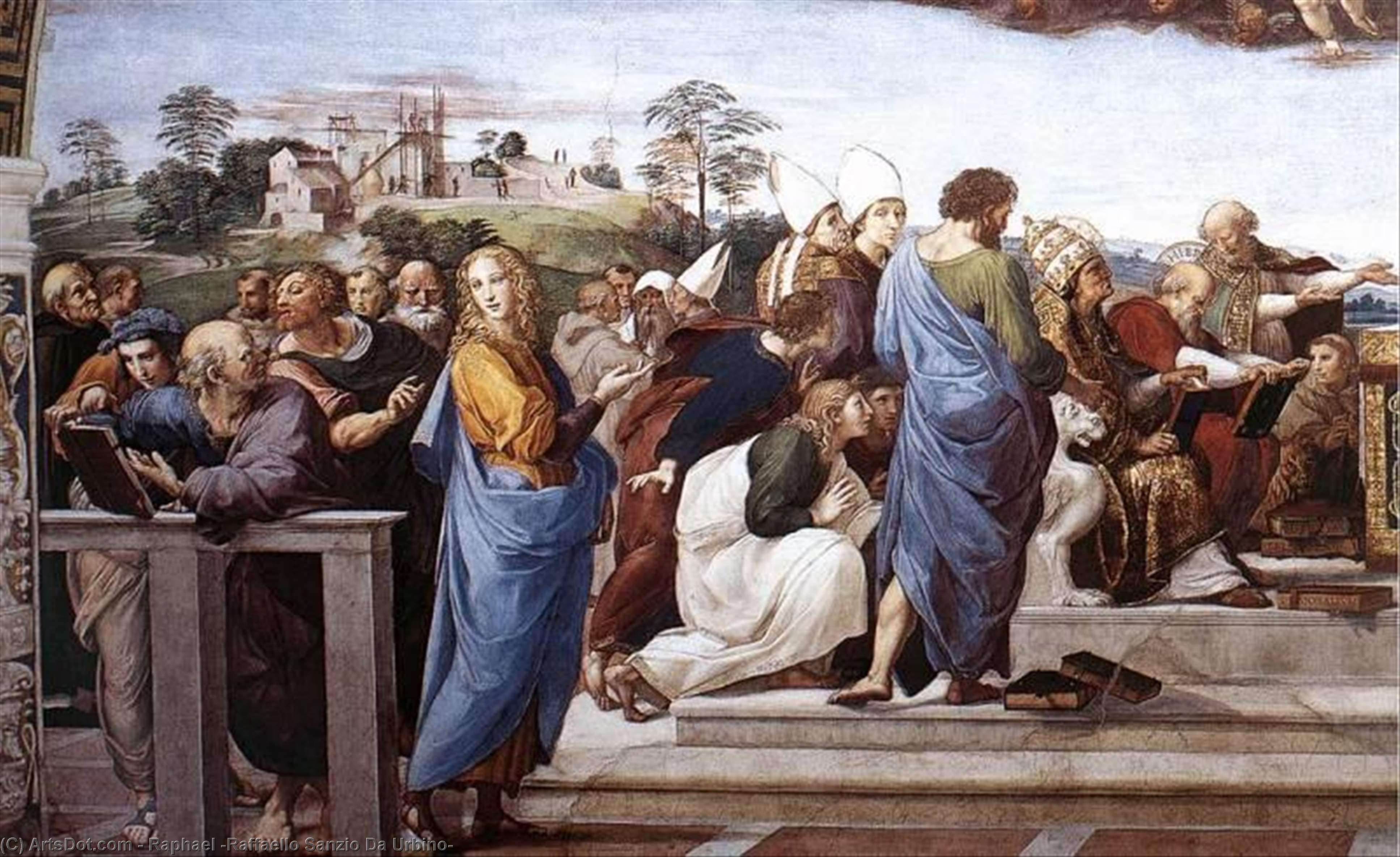
La disputa (detail)92

 Leer más
Giclée / Impresión de arte
Impresiones giclée o en lienzo de calidad de museo con producción rápida y opciones de acabado flexibles. ( Cambiar a pintura hecha a mano Cambiar a imagen)




P118B $10

P118H $10

P118W $10

P438Z $10

P508JH $12

P508YH $12

P805H $10

P805Z $10

P919BZ $10

P919G $10

P919XJ $10

P959ZH $10

P968JZ $12

W106C $8

W218G $10

W218JH $8

W218Y $10

W307PJ $10

W316G $10

W316PJ $8

W316Y $10

W398PJ $8

W4111J $10

W500HY $15

W500JH $15

W692G $12

W849H $8

W940BG $15

W953PJ $8




Elija entre nuestros tamaños predefinidos que respetan las proporciones originales de la obra.

Puede introducir sus propias dimensiones para adaptarse a un marco o espacio específico. Si el tamaño seleccionado no coincide con las proporciones de la imagen original, recortaremos la obra de arte o extenderemos la imagen con un borde con efecto espejo o de color sólido. Se enviará una maqueta digital para su aprobación antes de que comience la producción.
Tenga en cuenta que la vista previa en pantalla no refleja el recorte o la extensión real. Solo la maqueta mostrará con precisión la composición final.
Aunque existen tamaños personalizados, recomendamos seleccionar una dimensión de la lista predefinida para preservar las proporciones originales.
Envío a todo el mundo () en 2 semanas en lugar de las 4/5 semanas estándar. (11 agosto)

Envío exprés gratuito a todo el mundo

Lienzo de lino de alta calidad

Seguro de envío completo

Garantía de reembolso de aranceles aduaneros

Garantía de fidelidad cromática exacta

Política de devolución de 60 días (solo por defectos)

Garantía de devolución del 100% del dinero

Oferta por volumen
 La opción de vidrio solo está disponible en tamaños inferiores a 110 cm.

La disputa (detail)92
Giclée / Impresión de arte
Tamaño de la reproducción
-


Precio total
$ 62
Descripción de la pieza
La Disputa: A Symphony of Faith and Reason
The *Disputation of the Holy Sacrament*, painted between 1509 and 1510 by Raphael during his tenure decorating the Stanza della Segnatura in Vatican City, stands as a cornerstone of High Renaissance art—a testament to humanist ideals intertwined with profound theological contemplation. Commissioned by Pope Julius II for the papal library, this fresco transcends mere visual representation; it embodies an intellectual dialogue between divine grace and human understanding, meticulously crafted by Raphael’s unparalleled artistic vision.- Subject Matter: The scene depicts a formal debate concerning the Eucharist—the sacrament of Holy Communion—a central pillar of Christian faith. It's not simply a depiction of religious ritual but an exploration of its philosophical implications.
- Style & Composition: Raphael’s masterful use of perspective and balanced symmetry creates a harmonious visual experience, characteristic of Renaissance aesthetics. The fresco is divided into two semicircles—one above the altar representing the Church Triumphant, the other below symbolizing the Church Militant—establishing a dynamic interplay between earthly struggles and heavenly glory.
- Technique: Raphael employed the technique of *fresco*, applying pigment directly onto wet plaster, ensuring remarkable durability and preserving the artwork’s vibrant colors for centuries. The meticulous layering of glaze over underpainting contributes to the luminous quality of the painting, capturing the ethereal glow of divine light.
Historical Context: Renaissance Humanism Meets Papal Patronage
The *Disputation of the Holy Sacrament*, painted between 1509 and 1510 during Raphael’s tenure as papal architect in Rome, stands at the forefront of Michelangelo's artistic legacy. Commissioned by Pope Julius II for the Stanza della Segnatura—one of four opulent rooms decorating the Vatican Palace—the fresco embodies the spirit of Renaissance humanism, a movement that championed reason and observation alongside classical ideals. However, it’s equally rooted in papal patronage, reflecting the Church's ambition to assert its authority and prestige during a period marked by political upheaval and religious reform. Julius II himself was a fervent supporter of humanist scholarship and artistic innovation, recognizing Raphael’s genius as instrumental in elevating the Vatican’s visual splendor. The painting reflects this intellectual fervor through its careful arrangement of figures and symbols—a deliberate effort to communicate theological truths with clarity and grandeur.Subject Matter and Composition
At its core, the Disputation is a profound meditation on divine revelation and Christian theology. Raphael meticulously depicts a scene from scripture: Christ debating Saint Peter about the Eucharist – the sacrament of Holy Communion—before Mary and John the Baptist. This central tableau dominates the composition, framed by an aureole encircling Christ and illuminated by ethereal light, symbolizing God’s omnipresence and grace. The figures are arranged in two semicircles, mirroring the biblical narrative itself, creating a harmonious balance that underscores the importance of theological contemplation. Raphael skillfully employs perspective to convey depth and realism, grounding the celestial realm in earthly reality—a hallmark of Renaissance artistic ambition.Style and Technique
Raphael’s masterful technique exemplifies the ideals of High Renaissance art. Executed between 1509 and 1510 as part of his monumental commission to decorate the Stanza della Segnatura in Vatican City, the fresco demonstrates an unparalleled command of chiaroscuro—the dramatic interplay of light and shadow—creating a palpable sense of atmosphere and conveying emotional intensity. Raphael’s brushstrokes are smooth and delicate, achieving remarkable tonal gradation and capturing subtle nuances of expression. The artist's meticulous attention to detail is evident in every aspect of the painting, from the drapery folds to the facial features, reflecting the humanist fascination with anatomical accuracy and naturalism.Historical Context
The Disputation stands as a cornerstone of Renaissance artistic achievement, situated within the broader intellectual and spiritual currents of its time. Commissioned by Pope Julius II during his ambitious patronage of the arts—a period marked by papal ambition and rivalry—the fresco reflects the humanist conviction that art could illuminate moral truths and elevate the human spirit. Raphael’s work aligns seamlessly with Leonardo da Vinci's and Michelangelo's groundbreaking explorations of perspective, anatomy, and emotion, establishing a triumvirate of artistic geniuses who reshaped Western visual culture. The Stanza della Segnatura itself was conceived as a didactic space intended to inspire contemplation on divine mysteries—a testament to the papal desire to foster piety and intellectual enlightenment.Symbolism and Emotional Impact
Beyond its formal brilliance, the Disputation is laden with symbolic significance. The central tableau depicts the Holy Eucharist—the sacrament of communion—representing Christ’s sacrifice for humanity and embodying the divine Trinity. The figures surrounding Christ embody both earthly and heavenly realms, symbolizing the Church Militant (those actively battling evil) and the Church Triumphant (those victorious in eternal life). Raphael's masterful use of light and color contributes to an atmosphere of solemn grandeur, conveying a profound sense of spiritual reverence. The inclusion of portraits of prominent figures—Bramante, Francesco Maria Della Rovere, Dante—underscores the painting’s engagement with humanist ideals and its celebration of intellectual accomplishment. Ultimately, “La Disputa” transcends mere visual representation; it aspires to evoke contemplation on faith, reason, and the sublime beauty of God's revelation—leaving an indelible impression on viewers who appreciate the artistic legacy of Renaissance Italy.Obras relacionadas


![Stanze Vaticane - La Disputa (detalle) [04] — Rafael, Alto Renacimiento](/media/artworks/images/thumbnails/f6/32/f6329bd6bb8847f99363c8080abed822.jpg)


Biografía del artista
**vida temprana y formación**
Rafael (rafaello sanzio da urbino), un renombrado pintor y arquitecto italiano, nació entre el 28 de marzo y el 6 de abril de 1483, en la pequeña pero culturalmente significativa ciudad de Urbino. Su padre, Giovanni Santi, era pintor de corte para el duque, proporcionando a Rafael una exposición temprana al mundo artístico. Después de fallecer su padre a los once años, Rafael probablemente administró el taller familiar, consolidando aún más su base artística.**carrera artística e influencias**
El viaje artístico de Rafael puede categorizarse en tres fases distintas, cada una marcada por un estilo único:- primeros años en Umbría: caracterizado por la influencia de su padre y el ambiente cultural de Urbino.
- período florentino (1504-1508): absorbiendo las tradiciones artísticas de Florencia, que influyeron significativamente en su estilo.
- período romano (1508-1520): trabajando para dos papas y sus asociados, produciendo algunas de sus obras más celebradas, incluyendo la escuela de Atenas en la stanza della segnatura del Vaticano.
**obras notables y legado**
Algunas de las obras notables de Rafael incluyen:- el juicio de Salomón (ver en ArtsDot)
- la madona de Esterházy (ver en ArtsDot)
- Stanze Vaticane - vista de la stanza della segnatura (ver en ArtsDot)
- San Sebastián (ver en ArtsDot)
- La dama velada (ver en ArtsDot)
**influencia y legado**
La influencia de Rafael en el arte es profunda, con su obra siendo un pilar del Renacimiento italiano. Su estilo sereno y armonioso ha sido un modelo para la pintura neoclásica, como señaló el historiador de arte Johann Joachim Winckelmann. A pesar de la influencia posterior del estilo de Miguel Ángel, Rafael sigue siendo uno de los artistas más reverenciados en la historia. ver el perfil de Rafael en ArtsDot
Rafael
1483 - 1520 , Italia
Datos clave
- Artistas Influyentes:
- Giovanni Santi
- Pietro Perugino
- Estilo Artístico: Alto Renacimiento
- Fecha De Muerte: 06/04/1520
- Fecha De Nacimiento: 28/03/1483
- Influencia En Artistas: Neoclasicismo
- Lugar De Nacimiento: Urbino, Italia
- Nacionalidad: Italiano
- Nombre Completo: Rafael (Raffaello Sanzio)
- Obras Notables:
- El Juicio de Salomón
- Madonna del Cardellino
- La Escuela de Atenas
- San Sebastián
- La Dama Velada
Artículos relacionados

Rafael: Las 25 Obras Maestras que Definen al Genio del Renacimiento | ArtsDot
Descubre las 25 obras maestras de Rafael Sanzio, el genio del Renacimiento. Explora su historia, técnica y significado en pinturas icónicas como 'La Escuela de Atenas'. Reproducciones de arte de alta calidad para decorar tu hogar con elegancia. ¡Explora la colección completa en ArtsDot.com!
Legado en las Paredes: Frescos Familiares que Trascienden el Tiempo
Descubre el arte del fresco muralístico para inmortalizar tu historia familiar. Expertos en frescos personalizados y técnicas ancestrales. Crea un legado visual único con .

The Enduring Legacy of Fresco Painting: Techniques, History & Contemporary Relevance
Explore the rich history & enduring artistry of fresco painting – from Giotto to Michelangelo! Discover techniques, conservation efforts, & modern applications. Learn how ArtsDot brings this timeless art form to your home.

The Enduring Legacy of Fresco: Technique, History & Artistic Expression Across Cultures
Explore the rich history & enduring legacy of fresco painting! Discover ancient techniques, Giotto's masterpieces, and modern applications. Expert insights for art lovers & professionals.
Las 10 Obras Maestras del Renacimiento Superior: Arte, Historia y Decoración
Descubre las 10 obras maestras del Renacimiento Superior: Leonardo, Miguel Ángel, Rafael y Botticelli. Explora su historia, técnica y significado. Reproducciones de arte en alta calidad para decorar tu hogar con elegancia. ¡Encuentra tu obra favorita en !