- Inicio

- Impresión en lienzo
- Pierre Bonnard
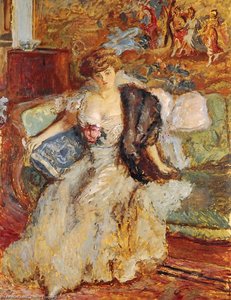
- The Window

 Encargar reproducción Comprar imagen en alta resolución
 Enviar
 Compartir
 Detalles
 Añadir a favoritos

 Descargar
 Similares
 Radiografía
 Presentación de diapositivas
The Window


 Ver más
Giclée / Impresión de arte
Impresión giclée o en lienzo de calidad de museo con producción rápida y opciones de acabado flexibles.




P118B $10

P118H $10

P118W $10

P438Z $10

P508JH $12

P508YH $12

P805H $10

P805Z $10

P919BZ $10

P919G $10

P919XJ $10

P959ZH $10

P968JZ $12

W106C $8

W218G $10

W218JH $8

W218Y $10

W307PJ $10

W316G $10

W316PJ $8

W316Y $10

W398PJ $8

W4111J $10

W500HY $15

W500JH $15

W692G $12

W849H $8

W940BG $15

W953PJ $8




Elija entre nuestros tamaños predefinidos que respetan las proporciones originales de la obra.

Puede introducir sus propias dimensiones para adaptarse a un marco o espacio específico. Si el tamaño seleccionado no coincide con las proporciones de la imagen original, recortaremos la obra de arte o extenderemos la imagen con un borde con efecto espejo o de color sólido. Se enviará una maqueta digital para su aprobación antes de que comience la producción.
Tenga en cuenta que la vista previa en pantalla no refleja el recorte o la extensión real. Solo la maqueta mostrará con precisión la composición final.
Aunque existen tamaños personalizados, recomendamos seleccionar una dimensión de la lista predefinida para preservar las proporciones originales.
Entrega mundial () en 2 semanas en lugar de las 4/5 semanas estándar. (16 julio)

Envío exprés gratuito a todo el mundo

Lienzo de lino de alta calidad

Seguro de envío total

Garantía de reembolso de impuestos aduaneros

Garantía de fidelidad de color

Política de devolución de 60 días (solo por defectos)

Garantía de devolución del 100% del dinero

Descuento por pedido múltiple
 La opción de vidrio solo está disponible en tamaños inferiores a 110 cm.

The Window
Giclée / Impresión de arte
Tamaño de la reproducción
-


Precio total final
-
Descripción de la obra
The Window by Pierre Bonnard: A Study in Light, Memory, and Intimacy
Pierre Bonnard’s “The Window,” painted in 1925, isn't merely a depiction of a domestic scene; it’s an exquisitely rendered meditation on light, memory, and the quiet beauty of everyday life. Housed within the Tate Gallery in London, this oil-on-canvas masterpiece invites us into a world of muted colors, subtle shifts in tone, and a profound sense of contemplative stillness. Bonnard, a key figure in the Nabis movement—a group of artists who sought to break from academic traditions and explore subjective experience—crafted “The Window” with a deliberate focus on capturing the *feeling* of a moment rather than a photographic representation.
Bonnard’s artistic journey was marked by a constant exploration of color and form. Initially influenced by Paul Gauguin's bold use of pigment and Japanese prints, he gradually developed his own distinctive style—characterized by flattened perspectives, simplified forms, and an almost obsessive attention to the interplay of light and shadow. “The Window” exemplifies this approach perfectly. The scene unfolds within a modestly furnished room, dominated by a large window that serves as both a visual anchor and a source of profound atmospheric effect. Notice how Bonnard doesn’t strive for realistic representation; instead, he uses color—a delicate blend of blues, greens, yellows, and browns—to evoke the *impression* of light filtering through the glass, casting soft shadows across the table and illuminating the objects within.
A Symphony of Color and Light
Bonnard’s technique is remarkably subtle yet powerfully effective. He employs a broken brushstroke, layering colors in thin washes to create a sense of depth and luminosity. The light itself isn't sharply defined; it’s diffused and atmospheric, suggesting a hazy afternoon or the gentle glow of twilight. Observe how he uses complementary colors—such as blue and orange—to heighten the visual impact and create a dynamic tension within the composition. The arrangement of objects on the table – books, bottles, and a vase – is deliberately understated, serving primarily to frame the window and contribute to the overall sense of tranquility. It’s not about showcasing possessions; it's about capturing the *feeling* of being present in that space.
The painting’s historical context is crucial to understanding its significance. “The Window” was created during a period of personal upheaval for Bonnard, as he and his wife, Marthe de Méligny, were navigating an increasingly complex relationship. Despite the potential for emotional turmoil, Bonnard managed to imbue this scene with a remarkable sense of serenity and intimacy. The woman seated at the window—her face partially obscured by shadow—appears lost in thought, seemingly detached from the world outside. This suggests a state of introspection or perhaps a longing for something beyond the confines of the room.
Symbolism and Emotional Resonance
While Bonnard’s work is often characterized by its apparent simplicity, “The Window” is rich with symbolic meaning. The window itself represents a portal—a connection between the interior world of the subject and the external environment. It also symbolizes memory and reflection, as the woman's gaze seems to be directed inward, contemplating her past or perhaps anticipating the future. The books on the table could represent knowledge, wisdom, or simply the comfort of familiar companions. The bottles might hint at a shared moment of relaxation or contemplation.
Ultimately, “The Window” is more than just a painting; it’s an invitation to slow down and appreciate the beauty of the ordinary. It's a testament to Bonnard’s ability to capture the essence of human experience—the quiet moments of reflection, the subtle shifts in light and color, and the enduring power of memory. Reproductions of this work offer a remarkable opportunity to bring this evocative scene into your own home, allowing you to share in its timeless appeal.
Technical Details & Reproduction Considerations
The original painting measures approximately 73 x 92 cm (28.7 x 36.2 inches). Bonnard’s masterful use of color and texture is particularly evident when viewed at close range, revealing the delicate layering of brushstrokes that create such a luminous effect. When considering reproductions, it's important to select high-quality prints that accurately capture the nuances of Bonnard’s palette and technique. Archival inks and fine art paper are essential for ensuring long-lasting color fidelity and preventing fading or discoloration.
ArtsDot offers meticulously crafted hand-painted reproductions of “The Window” in a variety of sizes and formats, allowing you to experience the beauty of this iconic artwork in your own space. Our skilled artists carefully replicate Bonnard’s unique style, ensuring that each reproduction is a faithful representation of the original masterpiece.
Obras similares


Biografía del artista
Primeros años y formación
Pierre Bonnard, cuyo nombre completo era Pierre Émile Bonnard, nació el 3 de octubre de 1867 en Fontenay-aux-Roses, cerca de París. Proveniente de una familia burguesa acomodada – su padre era funcionario del Ministerio de Guerra –, disfrutó de una infancia relativamente tranquila y despreocupada. Desde temprana edad demostró un talento natural para el dibujo y la pintura, aunque inicialmente sus padres lo animaron a seguir una carrera más convencional.
Entre 1886 y 1887, Bonnard estudió derecho para complacer a su familia, pero pronto abandonó esta profesión para dedicarse por completo al arte. En 1888 ingresó en la École des Beaux-Arts de París, donde conoció a otros artistas que influirían profundamente en su desarrollo artístico, como Paul Sérusier y Édouard Vuillard.
El movimiento Nabis y las primeras influencias
A finales de la década de 1880, Bonnard se unió al grupo de artistas conocido como los "Nabis" (que significa “profetas” en hebreo). Este grupo, que incluía a Vuillard, Sérusier, Denis y otros, buscaba una renovación del arte a través de la simplificación de las formas, el uso expresivo del color y la exploración de temas íntimos y cotidianos.
Los Nabis se inspiraron en el arte japonés, especialmente en las estampas ukiyo-e, que admiraban por su composición plana, sus líneas elegantes y sus colores vibrantes. Esta influencia es evidente en las primeras obras de Bonnard, como "La modista" (1890), donde se aprecia una simplificación de las formas y un uso audaz del color.
Desarrollo artístico: Intimismo y escenas domésticas
A partir de la década de 1890, Bonnard desarrolló su propio estilo distintivo, caracterizado por el intimismo y la representación de escenas domésticas. Se centró en pintar momentos cotidianos de la vida familiar, como cenas, paseos o conversaciones, capturando la atmósfera íntima y los matices emocionales de estos encuentros.
Su esposa, Marthe de Meligny, se convirtió en una modelo recurrente en sus obras, apareciendo en numerosas pinturas que reflejan su relación personal y su visión del mundo. Bonnard prefería trabajar a partir de la memoria y los bocetos, lo que le permitía crear imágenes con un carácter onírico y evocador.
Características clave de su estilo:
- Uso expresivo del color: Bonnard empleaba el color no solo para representar la realidad, sino también para transmitir emociones y sensaciones.
- Composiciones inusuales: A menudo utilizaba perspectivas descentradas y encuadres inesperados para crear una sensación de intimidad y cercanía con el espectador.
- Atmósfera onírica: Sus pinturas se caracterizan por una atmósfera suave y difusa, que evoca un mundo interior lleno de recuerdos y emociones.
Madurez y reconocimiento tardío
A pesar de su talento, Bonnard no gozó de un gran reconocimiento durante su vida. Su obra fue a menudo ignorada o malinterpretada por los críticos, quienes la consideraban demasiado personal e intimista.
Sin embargo, en las décadas posteriores a su muerte, en 1947, el trabajo de Bonnard ha sido objeto de una reevaluación crítica y ha ganado un amplio reconocimiento internacional. Hoy en día, es considerado uno de los principales representantes del postimpresionismo francés y un maestro del color y la luz.
Obras destacadas:
- La modista (1890)
- El Jardín en Le Vésinet (1922)
- Baño (1932-1933)
- El Almendro en flor (1947, su última obra)
Legado e influencia
La obra de Bonnard ha influido a numerosos artistas posteriores, tanto por su uso innovador del color como por su enfoque intimista y personal. Su capacidad para capturar la belleza de los momentos cotidianos y transmitir emociones sutiles lo convierte en un artista único y atemporal.
Hoy en día, sus pinturas se encuentran en importantes museos de todo el mundo, y continúan inspirando a artistas y amantes del arte por igual. Su legado perdura como testimonio de la importancia de la observación cuidadosa, la sensibilidad artística y la búsqueda constante de la belleza en las cosas simples de la vida.

Pierre Bonnard
1867 - 1947 , Francia
Datos clave
- Artistas Que Influyeron:
- Paul Gauguin
- Hokusai
- Fecha De Fallecimiento: 23 de enero de 1947
- Fecha De Nacimiento: 3 de octubre de 1867
- Influencia Artística: Intimismo, Post-Impresionismo
- Lugar De Nacimiento: Fontenay-aux-Roses, Francia
- Movimiento Artístico: Postimpresionismo, Nabis
- Nacionalidad: Francesa
- Nombre Completo: Pierre Bonnard
- Obras Notables:
- Mujer con vestido a cuadros
- El almendro en flor
Artículos relacionados

Impresionismo y Postimpresionismo: Una Exploración de la Evolución Artística y sus Distinciones Clave
Explora la evolución del Impresionismo al Postimpresionismo. Descubre sus características, artistas clave y las diferencias esenciales en este análisis experto.

Impresionismo: Una Revolución de Luz y Color que Cambió la Historia del Arte
Descubre el Impresionismo: su historia, artistas clave como Monet y Renoir, y su impacto en la historia del arte. Explora reproducciones de alta calidad en .

Manuel Benedito Vives: A Study of Light, Color & Emotional Resonance in Contemporary Spanish Painting
Explore the captivating world of Manuel Benedito Vives, a celebrated Spanish painter influenced by Sorolla. Discover his masterful portraits, luminous landscapes & enduring legacy – a favorite of the Spanish Royal Family. Art collectors will appreciate this in-depth study.

Anna Ancher: Capturing Light & Domesticity in the Skagen Tradition
Discover Anna Ancher (1859-1935), a leading figure of the Skagen Painters. Explore her captivating depictions of domestic life, masterful use of light, and lasting legacy in Danish Impressionism. Learn more at ArtsDot.
10 Obras Maestras al Óleo que Revolucionaron la Historia del Arte |
Descubre las 10 obras maestras al óleo que marcaron la historia del arte. Explora Monet, Van Gogh, Da Vinci y más. Reproducciones de alta calidad para decorar tu hogar con arte clásico. ¡Encuentra tu obra favorita en !