


 Vista previa
 Compartir
 Compartir
 Ver detalles
 Guía
Guía

 Descargar
 Ver artículos similares
 Radiografía
 Presentación de diapositivas
 Estadísticas
Cagnes Landscape
 Óleo sobre lienzo
- Arte de pared
- Impressionismo
 1910
1910- Moderno
 54.0 x 65.0 cm
 Leer más
Reproducción al óleo hecha a mano
Óleo sobre lienzo pintado a mano en el tamaño y marco de su elección, realizado por encargo por nuestros artistas. ( Cambiar a formato impreso Ver versión en imagen digital)




P118B $10

P118H $10

P118W $10

P438Z $10

P508JH $12

P508YH $12

P805H $10

P805Z $10

P919BZ $10

P919G $10

P919XJ $10

P959ZH $10

P968JZ $12

W106C $8

W218G $10

W218JH $8

W218Y $10

W307PJ $10

W316G $10

W316PJ $8

W316Y $10

W398PJ $8

W4111J $10

W500HY $15

W500JH $15

W692G $12

W849H $8

W940BG $15

W953PJ $8




Elija entre nuestros tamaños predefinidos que respetan las proporciones originales de la obra.

Puede ingresar sus propias dimensiones para adaptarse a un marco o espacio específico. Si el tamaño seleccionado no coincide con las proporciones de la imagen original, recortaremos la obra o extenderemos la pintura con elementos adicionales pintados a mano. Se le enviará una maqueta digital para su aprobación antes de comenzar la producción.
Tenga en cuenta que la vista previa en pantalla no refleja el recorte o la extensión reales. Solo la maqueta mostrará con precisión la composición final.
Si bien existen tamaños personalizados, recomendamos seleccionar una dimensión de la lista predefinida para preservar las proporciones originales.
Tras realizar el pedido, el equipo de ArtsDot.com enviará un correo electrónico al cliente para solicitar instrucciones y proporcionarle una vista previa del boceto.
Envío a todo el mundo () en 3-4 semanas en lugar de las 5 semanas estándar. (25 septiembre). Sin comprometer la calidad.

Envío exprés gratuito a todo el mundo

Lienzo de lino de alta calidad

Seguro de envío completo

Garantía de reembolso de impuestos aduaneros

Garantía de fidelidad cromática exacta

Política de devolución de 100 días (solo por defectos)

Garantía de devolución del 100% del dinero

Oferta por volumen
 La opción de vidrio solo está disponible en tamaños inferiores a 110 cm.

Cagnes Landscape
Técnica de reproducción
Tamaño de la reproducción
-


Precio total
$ 263
Cagnes Landscape: A Moment Frozen in Impressionist Brilliance
Pierre-Auguste Renoir’s “Cagnes Landscape,” completed in 1910, stands as a quintessential example of Impressionism—a movement that revolutionized painting by prioritizing fleeting impressions of light and color over meticulous detail. This serene vista captures the essence of the Riviera town of Cagnes sur Mer, bathed in the warm glow of late afternoon sunlight. Renoir’s masterful brushstrokes convey not just what he saw but how he *felt*, transporting viewers to a tranquil scene brimming with natural beauty.- Subject Matter: The painting depicts a picturesque harbor town nestled alongside the Mediterranean Sea, dominated by a towering cypress tree—a symbol of mourning and remembrance—that punctuates the horizon line.
- Style: Renoir adhered strictly to Impressionist principles, eschewing traditional academic conventions in favor of loose, expressive brushwork and vibrant color palettes. He sought to capture the ephemeral qualities of light as it shifted across the landscape.
Technique and Composition
Renoir employed a technique known as *plein air painting*, working directly outdoors—a practice championed by Monet and Sisley—to achieve maximum accuracy in representing natural illumination. His brushstrokes are visible, blending seamlessly to create an illusion of depth and atmosphere. The composition is carefully balanced, with the cypress tree serving as a focal point against which the buildings and boats are rendered in muted hues. Renoir skillfully utilized complementary colors—such as orange and violet—to heighten visual impact and convey emotional resonance.- Color Palette: Renoir’s palette leans heavily toward warm tones—primarily yellows, oranges, and reds—reflecting the radiant sunlight filtering through the foliage.
- Brushwork: Loose, broken brushstrokes are characteristic of Impressionism, creating a textured surface that captures the dynamism of light and movement.
Historical Context and Symbolism
“Cagnes Landscape” was created during Renoir’s mature artistic period—a time marked by experimentation with color and form while retaining an unwavering devotion to capturing beauty. The Impressionist movement emerged in response to the rigid rules of the Salon system, challenging established artistic dogma and advocating for a more subjective approach to artmaking. The cypress tree itself carries significant symbolic weight, representing both death and immortality—a poignant reminder of the passage of time and the enduring power of nature’s grandeur.- Salon System: Renoir's rejection of the Salon system fueled his artistic independence and solidified Impressionism as a rebellious force within the art world.
- Symbolic Significance: The cypress tree embodies themes of grief, remembrance, and regeneration—elements that resonate deeply with viewers seeking contemplation and inspiration.
Emotional Impact
Ultimately, “Cagnes Landscape” succeeds in evoking a profound sense of tranquility and wonder. Renoir’s masterful rendering of light and color transports us to a moment suspended in time—a celebration of the sublime beauty found within the natural world. It remains a testament to Renoir's ability to transform observation into art—capturing not merely what he saw but also how he felt, leaving an indelible impression on anyone who beholds it.Obras relacionadas


Biografía del artista
vida temprana y carrera
pierre-auguste renoir, un artista francés fundamental, nació el 25 de febrero de 1841 en Limoges, Francia. Jugó un papel crucial a la hora de dar forma al movimiento impresionista, conocido por su luz vibrante y sus colores saturados. La obra de Renoir celebraba la belleza, particularmente la sensualidad femenina, colocándolo en una línea de artistas que se extendía desde Rubens hasta Watteau.legado artístico
El legado de Renoir se extendió más allá de su lienzo, como patriarca de una familia donde el arte florecía en diversas formas. Sus hijos, pierre renoir (1885–1952), el cineasta jean renoir (1894–1979) y el artista ceramista claude renoir (1901–1969), cada uno hizo contribuciones significativas en sus campos. Su nieto, el cineasta claude renoir (1913–1993), avanzó aún más la herencia artística de la familia.obras notables y museos
* dance at bougival, una pintura notable de Renoir, muestra su dominio para capturar la esencia del arte impresionista. * El musée des collettes, ubicado en Cagnes-sur-Mer, Francia, es un destino imprescindible para los amantes del arte. Este museo, que fue la casa de Pierre-Auguste Renoir, sirve como testimonio de su vida y obra, alberga quince de sus pinturas. * El musée maurice denis, otra joya oculta en Francia, presenta una impresionante colección de pinturas postimpresionistas franceses de finales del siglo XIX y principios del siglo XX.explora el arte de Renoir con ArtsDot
- Descubre el encanto del musée des collettes (Francia) y su arte impresionista en ArtsDot: [https://ArtsDot.com/@@/a@d3aupf](https://ArtsDot.com/@@/a@d3aupf)
- Explora las maravillas del musée maurice denis (Francia) con ArtsDot: /es/art/show/art-d3aue3-es/
- Visualiza las pinturas de Renoir, incluyendo dance at bougival, en ArtsDot: [https://ArtsDot.com/@/pierre-auguste renoir](https://ArtsDot.com/@/pierre-auguste%20renoir)

Pierre-Auguste Renoir
1841 - 1919 , Francia
Datos clave
- Artistas Que Influyeron:
- Rubens
- Watteau
- Camille Pissarro
- Édouard Manet
- Fecha De Fallecimiento: 3 de diciembre de 1919
- Fecha De Nacimiento: 25 de febrero de 1841
- Lugar De Nacimiento: Limoges, Francia
- Movimiento Artístico: Impresionismo
- Nacionalidad: Francés
- Nombre Completo: Pierre-Auguste Renoir
- Obras Notables:
- Baile en Bougival
- Almuerzo de la fiesta de remo
- Los grandes bañistas
- Dos hermanas
- Jóvenes tocando el piano
Artículos relacionados

Renoir: Las 25 Obras Maestras del Impresionismo para Decorar tu Hogar con Arte
Descubre las 25 obras maestras de Renoir, el rey del impresionismo. Explora su técnica, historia y significado en cada pintura. Encuentra reproducciones de arte de alta calidad para decorar tu hogar con ArtsDot.com.

Los 10 Maestros del Paisaje Impresionista: Obras que Cambiaron la Historia del Arte
Descubre los 10 lienzos impresionistas que revolucionaron el arte. Monet, Renoir y más… Explora la historia, técnica y belleza de cada obra maestra. Encuentra reproducciones de alta calidad para tu hogar en ArtsDot.com.
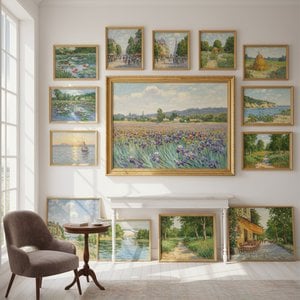
Los 10 Maestros del Paisaje Impresionista: Obras que Cambiaron la Historia del Arte
Descubre los 10 lienzos impresionistas que revolucionaron el arte. Explora la historia de Monet, Van Gogh y Renoir, sus técnicas y colores vibrantes. Encuentra reproducciones de alta calidad para decorar tu hogar en ArtsDot.com

Los 10 Maestros Impresionistas que Revolucionaron el Arte | ArtsDot
Descubre los 10 cuadros impresionistas más influyentes de Monet, Renoir y Degas. Explora la historia, técnica y belleza de este movimiento artístico. Reproducciones de arte en ArtsDot.com para decorar tu hogar con estilo.

Paul Cézanne: Las 25 Obras Maestras que Definieron el Arte Moderno | ArtsDot
Descubre las 25 obras maestras de Paul Cézanne que revolucionaron el arte moderno. Explora su técnica, inspiración y significado en paisajes, bodegones y retratos. Reproducciones de alta calidad para decorar tu hogar con arte inolvidable. ¡Explora la colección completa en ArtsDot.com!


