

 Vista previa
 Compartir
 Compartir
 Ver detalles

 Descargar
 Ver similares
 Radiografía
 Presentación de diapositivas
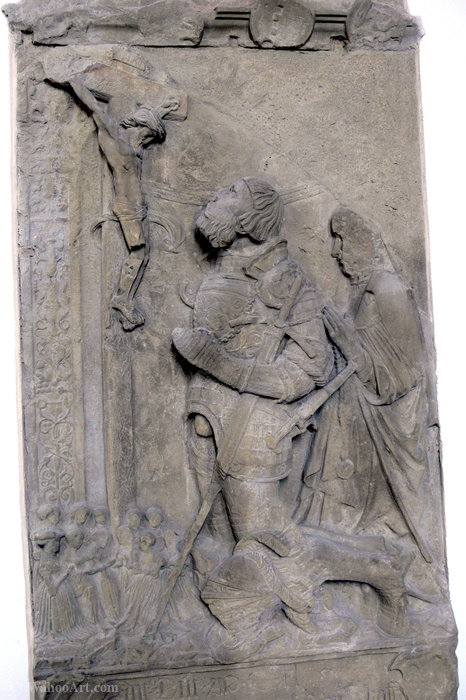
Epitaph 12 fuchs.
 Leer más
Reproducción al óleo hecha a mano
Óleo sobre lienzo pintado a mano en el tamaño y marco de su elección, realizado por encargo por nuestros artistas. ( Pedir impresión Comprar descarga)




































Elija entre nuestros tamaños predefinidos que respetan las proporciones originales de la obra.

Puede ingresar sus propias dimensiones para adaptarse a un marco o espacio específico. Si el tamaño seleccionado no coincide con las proporciones de la imagen original, recortaremos la obra o extenderemos la pintura con elementos adicionales pintados a mano. Se le enviará una maqueta digital para su aprobación antes de comenzar la producción.
Tenga en cuenta que la vista previa en pantalla no refleja el recorte o la extensión reales. Solo la maqueta mostrará con precisión la composición final.
Si bien existen tamaños personalizados, recomendamos seleccionar una dimensión de la lista predefinida para preservar las proporciones originales.
Tras realizar el pedido, el equipo de ArtsDot.com enviará un correo electrónico al cliente para solicitar instrucciones y proporcionarle una vista previa del boceto.
Envío a todo el mundo () en 3-4 semanas en lugar de las 5 semanas estándar. (18 agosto). Sin comprometer la calidad.

Envío exprés gratuito a todo el mundo

Lienzo de lino de alta calidad

Seguro de envío completo

Garantía de reembolso de aranceles aduaneros

Garantía de fidelidad cromática exacta

Política de devolución de 60 días (solo por defectos)

Garantía de devolución del 100% del dinero

Oferta por volumen
 La opción de vidrio solo está disponible en tamaños inferiores a 110 cm.

Epitaph 12 fuchs.
Técnica de reproducción
Tamaño de la reproducción
-


Precio total
$ 263
Obras relacionadas


Biografía del artista
A Sculptor’s Vision of Faith: The Life and Legacy of Peter the Elder Dell
Peter the Elder Dell (1490–1552) remains a profound, if somewhat enigmatic, figure within the grand tapestry of the German Renaissance. Born in the intellectual cradle of Würzburg, Dell emerged during an era defined by the tension between medieval devotion and the burgeoning humanism of the sixteenth century. While history often casts a bright light upon his more celebrated son, Peter Vischer the Elder, the elder Dell’s contributions to the sculptural and artistic landscape were foundational. His life, though partially obscured by the mists of time and the scarcity of direct biographical records, reveals a man deeply engaged with the spiritual and philosophical currents of his age. Educated amidst the scholarly fervor of Würzburg University, he was profoundly influenced by the humanist ideals championed by thinkers such as Erasmus. This exposure instilled in him a conviction that art should transcend mere decoration, serving instead as a powerful conduit for moral enlightenment and theological reflection.The Symbiosis of Art and Humanism
The artistic development of Dell was characterized by a remarkable synthesis of technical mastery and conceptual depth. His workshop, which flourished under the patronage of the Holy Roman Emperor Maximilian I, became a crucible for experimentation and collaborative excellence. Unlike many of his contemporaries who focused on the purely ornamental, Dell sought to imbue his works with symbolic weight. Whether crafting intricate portrait busts or monumental ecclesiastical figures, he utilized the language of classical antiquity to articulate Christian virtues. This period of his life was marked by a unique synergy with his son; together, they undertook ambitious architectural and sculptural projects that defined the aesthetic of the era. Their collaboration on significant landmarks, such as the Marienplatz Glockenspiel in Munich, stands as a testament to a familial legacy that elevated the prestige of German craftsmanship across Europe.Mastery of Motion and Symbolism
Beyond his sculptural endeavors, Dell’s ability to capture the visceral essence of human emotion is perhaps most poignantly felt in his more evocative compositions. In works such as Allegory of Faith, one witnesses a breathtaking departure from static representation. He possessed a rare talent for depicting the turbulent struggle of the soul, using maritime metaphors—such as a vessel caught in a violent tempest—to mirror the spiritual volatility of the sixteenth century. Through the meticulous rendering of light, shadow, and natural elements like churning seas and fraying sails, he invited viewers into a sensory experience of both terror and resilience. His use of subtle symbolism, such as the inclusion of animals to represent fidelity, added layers of meaning that rewarded deep contemplation. This mastery of naturalism, paired with a profound commitment to allegorical storytelling, ensured that his work resonated on both an emotional and intellectual level.Historical Significance and Enduring Influence
The historical significance of Peter the Elder Dell lies in his role as a bridge between the late Gothic tradition and the sophisticated humanism of the Renaissance. His oeuvre serves as a vital record of a period when the boundaries of art were being redrawn by new philosophical inquiries. By integrating the rigorous demands of religious commission with the nuanced observations of the natural world, he helped establish a new standard for German Renaissance art. Though his name may sometimes reside in the shadow of his descendants, his impact on the development of sculptural narrative and allegorical painting remains undeniable. His legacy is found not only in the surviving physical remnants of his workshop but in the enduring spirit of innovation and devotion that continues to inspire scholars and art enthusiasts alike.
peter the elder dell
1490 - 1552 , Germany
Datos clave
- Artistic Movement Or Style: Renaissance Painting
- Artists Or Movements Influenced By This Artist: ['']
- Artists Who Influenced This Artist: ['']
- Date Of Birth: 1490
- Full Name: Peter Dell
- Nationality: German
- Notable Artworks: ['Christian Salvation']
- Place Of Birth: Würzburg, Germany

