


La imagen se ajusta a sus preferencias: , .
Descripción del objeto
A stunning botanical illustration by Pancrace Bessa from 1835, depicting a vibrant poppy flower. This exquisite stipple engraving showcases Bessa's mastery of detail and color, capturing the beauty of nature.
 Ver más
Biografía del artista
Descubra Pancrace Bessa (1772-1846), un maestro francés del arte botánico! Explore sus exquisitas ilustraciones de flores y frutas, aguafuerte con puntas, y su legado en la pintura de historia natural del siglo XIX.
Reproducción al óleo hecha a mano
Óleo sobre lienzo pintado a mano en el tamaño y marco de su elección, realizado por encargo por nuestros artistas. ( Cambiar a impresiones Cambiar a imagen digital)
Más información sobre esta pintura
 Ver en contexto
 Enviar
 Compartir
 Detalles
 Guía
Guía

 Descargar
 Similares
 Radiografía
 Presentación de diapositivas
 Preguntas y respuestas
 Estadísticas
Pida su pintura en cuatro sencillos pasos
Tómese su tiempo. Puede cambiar cualquier respuesta; el precio en su carrito de compra se actualizará según cada elección.
1 Paso uno de cuatro
¿Qué tamaño desea?
Estos tamaños mantienen las proporciones de la pintura original. El dibujo muestra su elección en una pared, sobre un sofá de dos metros.
O introduce tus propias medidas
Elija entre nuestros tamaños predefinidos que respetan las proporciones originales de la obra.

Indique el ancho y el alto que necesite para adaptarse a su marco o pared. Al tratarse de una obra pintada a mano, si requiere un tamaño con una proporción distinta, el artista puede pintar un poco más alrededor de la imagen o recortarla ligeramente; usted elige. Le enviaremos una maqueta digital para su aprobación antes de comenzar la pintura. La imagen que se muestra en esta página no refleja el resultado real; solo la maqueta lo hace.
2 Paso dos de cuatro
¿Cómo desea recibirlo: enrollado, estirado o enmarcado?
Los precios que aparecen a continuación corresponden al tamaño seleccionado en el primer paso.
Elige el acabado de los bordes del lienzo
Elige tu marco

Blanco €1

Bordes difuminados €1

Continuación de imagen €1

P118B €10

P118H €10

P118W €10

P438Z €10

P508JH €12

P508YH €12

P805H €10

P805Z €10

P919BZ €10

P919G €10

P919XJ €10

P959ZH €10

P968JZ €12

W106C €8

W218G €10

W218JH €8

W218Y €10

W307PJ €10

W316G €10

W316PJ €8

W316Y €10

W398PJ €8

W4111J €10

W500HY €15

W500JH €15

W692G €12

W849H €8

W940BG €15

W953PJ €8

H24-GOLD €30

H24-SILVER €30

H36-GOLD €45

H36-SILVER €45
Con marco
Moldura: . Dimensiones totales con marco: .
3 Paso tres de cuatro
¿Desea realizar algún cambio en la pintura?
La mayoría de las personas responden que no. Debido a que cada pintura se realiza a mano, nuestro artista también puede adaptarla para usted.
Tras realizar el pedido, el equipo de ArtsDot.com enviará un correo electrónico al cliente para solicitar instrucciones y proporcionar una vista previa del boceto
4 Paso cuatro de cuatro
Algunas opciones de acabado
Todos ellos son opcionales. Las respuestas ya seleccionadas no tienen ningún coste adicional.
¿Quién lo pinta?
Envío a todo el mundo () en 3-4 semanas en lugar de las 5 semanas estándar. (6 noviembre). Sin comprometer la calidad.
¿Una placa de identificación, como en un museo?
Detalles de la placa de bronce grabada
This elegant plaque features the artist's name and the title of the artwork, finely engraved for a timeless presentation.
It is made from bronze with a refined, elegant finish. The text is precisely laser-engraved for a sharp and permanent result. Measuring 9x2 cm, the plaque is compact yet easy to read. It's built to be durable and scratch-resistant, offering a professional, museum-quality look. Mounting is simple thanks to the included adhesive backing.
Detalles de la placa de acrílico transparente
The plaque includes essential engraved details such as the artist's name, the title of the artwork, the date it was created, the type of media used-like oil on canvas or watercolor-a brief description of the piece, and a QR code that links to the complete artwork information.
It is crafted from clear acrylic, offering a sleek, modern appearance. The text is UV-engraved in black to ensure strong visual contrast. With a size of 10x15 cm, it ensures optimal readability. It comes equipped with two metal hooks for secure wall mounting. The plaque is designed to be weather-resistant, making it suitable for various environments, and it includes interactive features that work seamlessly with smartphone scanning.
Detalles de la placa de acrílico negro
This elegant plaque includes engraved information such as the artist's name, the title of the artwork, the date it was created, the type of media used (like oil on canvas or watercolor), a short description of the artwork, and a QR code for quick access to more information.
The plaque itself is made from refined black acrylic with a premium finish. The text is laser-engraved in white for high contrast and readability. Its size is 10x15 cm, designed to be easy to read. It comes with two metal hooks for professional mounting. The design is sleek and fits any interior style. It is also weather-resistant and durable, with built-in digital integration for mobile compatibility.
¿Un barniz protector?
¿Para cuándo lo necesita?
✓ Revisar y pedir
Su pintura, tal como la solicitó

Untitled
Técnica de reproducción
Dimensiones de la reproducción
-

Selección de artistas premium
Mayor nivel de detalle, delicadeza y tiempo de producción adicional
-

Enmarcado de reproducción
-
-
Para obras de arte o reproducciones que midan más de 105 cm (aproximadamente 41 pulgadas) en cualquiera de sus lados, el marco se enviará como un kit desmontado. Este método garantiza una entrega segura y evita daños durante el transporte.
Se requiere montaje profesional: este no es un producto para hacer usted mismo (DIY).
El kit debe ser ensamblado y el lienzo tensado por un enmarcador profesional con experiencia, utilizando cola para madera (no incluida), una tenaza para tensar lienzos y sargentos para mantener los bastidores alineados mientras la cola se seca. Un montaje incorrecto o una tensión desigual del lienzo pueden dañar la obra de arte de forma permanente y no están cubiertos por nuestra garantía.
 Para obras de arte o reproducciones que midan más de 105 cm (aproximadamente 41 pulgadas) en cualquiera de sus lados, el marco se enviará como un kit desmontado. Este método garantiza una entrega segura y evita daños durante el transporte.
Se incluyen todos los listones de madera maciza, cortados con precisión según las medidas.
Se ensambla con los tornillos incluidos, además de cola para madera para las uniones de las esquinas, la cual no se incluye y debe ser proporcionada por su enmarcador.
Se requieren herramientas profesionales que no están incluidas: un alicate para tensar lienzos (tensor) y abrazaderas para mantener los bastidores alineados mientras se seca el pegamento.
Importante:
Las uniones de las esquinas requieren cola para madera, los listones deben sujetarse con prensas hasta que la cola esté completamente seca, y para tensar el lienzo en el bastidor ensamblado se requiere una pinza para tensar lienzos. Ninguno de estos elementos está incluido en el kit. Por favor, contacte con un profesional del enmarcado con experiencia antes de realizar un pedido de este tamaño.

Cartela
-
-

Barniz protector
Barniz brillante (realza los colores y protege contra la luz y la humedad)
-

Personalizar mi obra
Ejemplos de lo que se puede personalizar: sustituir el rostro por una foto del cliente; añadir una mascota (por ejemplo, cambiar un gato por un perro); incluir un mensaje oculto en el fondo; cambiar el paisaje o los elementos del fondo.
-

Envío urgente
Envío a todo el mundo () en 3 o 4 semanas, en lugar de las 5 semanas habituales. (6 noviembre). Sin comprometer la calidad.
-
Envío urgente
Envío internacional () en 5 semanas. (13 noviembre).
Incluido
Precio total final
€ 235
La opción de vidrio solo está disponible en tamaños inferiores a 110 cm.
Incluido en cada pedido
- Envío exprés gratuito a todo el mundo
- Lienzo de lino de alta calidad
- Seguro de envío total
- Garantía de reembolso de aranceles aduaneros
- Garantía de fidelidad cromática exacta
- Política de devolución de 100 días (solo por defectos)
- Garantía de devolución del 100% del dinero
- Descuento por cantidad


Pancrace Bessa’s “Untitled”: A Window into 1835 Paris
Pancrace Bessa's "Untitled," painted in 1835, isn’t merely a depiction of a poppy; it’s a carefully constructed tableau brimming with quiet observation and the burgeoning spirit of Romanticism. Born in Paris amidst the artistic ferment of the early 19th century, Bessa was a master of botanical illustration, trained initially by the exacting Gerard van Spaendonck – a lineage that instilled within him an unparalleled dedication to detail and a profound understanding of color and texture. This piece, though lacking a formal title, speaks volumes about his skill and artistic sensibility. The composition is deceptively simple: a vibrant red poppy dominates the foreground, its petals rendered with astonishing realism, each vein and delicate curve meticulously captured. Yet, it’s not simply a botanical study; the inclusion of two smaller, less defined flowers in the background, alongside three figures – their identities deliberately obscured – introduces an element of narrative ambiguity, inviting the viewer to contemplate the scene's deeper meaning.
- Technique: Bessa’s mastery lies primarily in his use of stipple engraving, a technique perfected during this era. This method, demanding immense patience and control, allowed him to build up layers of tone and color through tiny dots, creating an incredibly rich and textured surface. The effect is remarkably tactile; one can almost feel the velvety softness of the petals and the delicate weight of the leaves.
- Color Palette: The painting’s palette is dominated by a striking contrast between the fiery red of the poppy and the verdant greens of its foliage. These colors aren't merely descriptive; they evoke a sense of vitality, passion, and perhaps even a hint of melancholy – a common theme in Romantic art.
- Historical Context: Bessa’s work reflects the broader artistic trends of his time. The Romantic movement, which emphasized emotion, individualism, and the beauty of nature, was gaining momentum in Europe. Botanical illustration, often considered a ‘minor’ genre, provided a crucial avenue for artists to engage with the natural world and explore its inherent symbolism.
The Language of Flowers: Symbolism Within the Scene
Beyond its technical brilliance, “Untitled” is rich in symbolic meaning. The poppy itself carries a complex history of associations – representing sleep, death, remembrance, and even beauty. Its prominence in the composition immediately draws our attention, suggesting a central theme or message. The presence of the three figures adds another layer of interpretation. They are not portraits; their anonymity encourages speculation about their roles within the scene. Are they observers? Participants? Perhaps they represent the fleeting nature of human experience against the backdrop of enduring natural beauty? The subtle positioning of these figures – one on the left, two towards the bottom – creates a sense of depth and invites us to consider our own relationship with the subject matter.
Note: It’s important to remember that symbolism is often culturally specific. While poppies generally represent remembrance, other interpretations may apply depending on the viewer's background and perspective.Bessa’s Legacy and the Reproduction Process
Pancrace Bessa enjoyed considerable success during his lifetime, exhibiting regularly at the prestigious Paris Salon. His meticulous botanical illustrations were highly sought after by royalty and collectors alike. Today, his work is recognized for its exceptional detail, technical skill, and evocative atmosphere. When commissioning a reproduction of “Untitled,” it’s crucial to understand that these are not simply copies; they are painstakingly crafted works of art in their own right, mirroring Bessa's original techniques. The process involves skilled artists meticulously recreating the stipple engraving effect, carefully matching the color palette and ensuring an accurate representation of the painting’s texture and depth.
- Material Quality: High-quality reproductions utilize archival inks on fine art paper to ensure longevity and preserve the artwork's vibrancy.
- Detail Replication: The reproduction process prioritizes faithful replication of Bessa’s stipple engraving technique, capturing the subtle nuances of tone and texture that define his style.
- Artistic Interpretation: While striving for accuracy, skilled artisans also bring their own artistic sensibility to the reproduction, ensuring a visually compelling and emotionally resonant result.
Bringing “Untitled” into Your Space
“Untitled” transcends its botanical subject matter to become a poignant meditation on beauty, mortality, and the human condition. Its rich colors, intricate details, and subtle symbolism make it an ideal addition to any interior space – whether a formal study, a sun-drenched conservatory, or a tranquil bedroom. The painting’s quiet elegance and evocative atmosphere create a sense of serenity and contemplation, inviting viewers to pause and appreciate the simple wonders of the natural world. A carefully reproduced version offers a tangible connection to this remarkable artist and his timeless vision, allowing you to bring a piece of 19th-century Parisian artistry into your home.
Preguntas y respuestas
¿Qué paleta y qué color predominante definen a "Untitled"?
La identidad cromática de "Untitled" de Pancrace Bessa: una paleta Neutrals, dominada por el White (#eeeee9).
¿Qué tamaño de impresión de "Untitled" de Pancrace Bessa se adapta mejor a la habitación recomendada?
Para un Living Room, se recomienda imprimir "Untitled" en un tamaño de Medium.
¿En qué año se creó "Untitled" de Pancrace Bessa?
"Untitled" data de 1835. Esta fecha sitúa la obra dentro de la trayectoria de Pancrace Bessa y de su época.
Obras relacionadas


Pancrace Bessa
1772 - 1846, Francia
Biografía del artista
Pancrace Bessa: Una Vida en Arte Botánico
Primeros Años y Educación
Pancrace Bessa (1 de enero de 1772 – 11 de junio de 1846) fue un artista naturalista francés celebrado por sus exquisitas ilustraciones botánicas. Nacido en París, Francia, Bessa comenzó su viaje artístico como estudiante del estimado grabador Gerard van Spaendonck. Esta formación fundamental le inculcó una meticulosa atención al detalle y una técnica refinada que caracterizarían su obra posterior.
Desarrollo Artístico e Influencias
El desarrollo artístico de Bessa fue significativamente moldeado por su asociación con Pierre-Joseph Redouté, otro destacado artista botánico de la época. La influencia de Redouté es evidente en el tratamiento delicado de los temas por parte de Bessa y su capacidad para captar las sutiles nuances de la vida vegetal. Dominó un uso magistral del estiple, una técnica esencial para la impresión a color en ese momento.
Carrera y Exposiciones Salon
Bessa se estableció como exhibidor regular en los prestigiosos Salones de París entre 1806 y 1831. Esta presencia constante demostró su talento ante un público amplio y consolidó su reputación dentro de la comunidad artística. Su obra rápidamente ganó reconocimiento por su precisión, belleza y valor científico.
Patronazgo y Órdenes Reales
Un momento decisivo en la carrera de Bessa llegó en 1816 cuando recibió patrocinio de la Duquesa de Berry, nieta del rey Carlos X de Francia. Este apoyo no solo proporcionó estabilidad financiera sino que también condujo a oportunidades para ofrecer clases de pintura a la familia de Berry – una conexión que resonaba con las tradiciones artísticas de los *Très riches heures du duc de Berry*. Además, Bessa dedicó gran parte de su carrera posterior al trabajo en la *Velins du Roi* (Colección de Pergaminos Reales) desde 1823 hasta su muerte.
Obras Principales y Colaboraciones
- Histoire des arbres forestiers de l'amerique septentrionale: Un proyecto colaborativo con Redouté, que mostraba los árboles del norte de América.
- L’herbier général de l’amateur: Bessa preparó aproximadamente 572 acuarelas para este extenso herbario compilado por Mordant de Launey y Loiseleur-Longchamp.
- Description des plantes cultivées à Malmaison et à Navarre: Esta obra presentaba nueve ilustraciones de Bessa junto con cincuenta y cuatro de Redouté.
- Flore des jardiniers: Publicada en 1836, esta fue la última gran publicación de Bessa.
Estilo Artístico y Técnica
El estilo de Bessa se caracteriza por su precisión, delicado renderizado del detalle y vibrantes paletas de colores. Se centró principalmente en frutas y flores, ocasionalmente representando aves y mamíferos. Su dominio del estiple le permitió crear ilustraciones botánicas ricas en textura y visualmente atractivas.
Significado Histórico
En el siglo XIX temprano, Bessa, junto con artistas como Redouté, Jean-Louis Prévost, Lancelot-Théodore Turpin de Crissé y Madame Vincent, desempeñó un papel crucial en elevar a Francia a una posición de preeminencia en la pintura botánica. Su obra no solo contribuyó a la belleza estética de la época sino que también avanzó la comprensión científica a través de representaciones precisas de la vida vegetal. El legado de Bessa continúa inspirando a artistas y botánicos hoy en día.
Artículos relacionados

Victorian Botanical Painting: Science, Art & Aesthetic Sensibility
Explore the exquisite world of Victorian botanical art! Discover the science & artistry behind stunning floral illustrations by Gould, Muckley & more. Learn about collecting, value & investment at ArtsDot.

El Floreciente Lienzo: Un Viaje Histórico a Través de la Ilustración Botánica
Descubre la fascinante historia de la ilustración botánica, desde sus orígenes científicos hasta su renacimiento artístico actual. Técnicas, artistas y recursos para amantes del arte y la naturaleza.
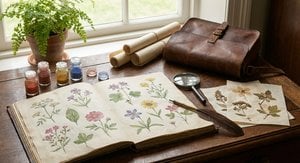
The Flourishing Canvas: A Historical Journey Through Botanical Illustration
Explore the captivating history of botanical illustration! Discover renowned artists like Robert Havell & Mary Walcott, learn about techniques, and find museum-quality art at ArtsDot.com.