


 Vista previa
 Compartir
 Compartir
 Ver detalles
 Guía
Guía

 Descargar
 Ver artículos similares
 Radiografía
 Presentación de diapositivas
 Estadísticas
Study With Dog

 Leer más
Reproducción al óleo hecha a mano
Óleo sobre lienzo pintado a mano en el tamaño y marco de su elección, realizado por encargo por nuestros artistas. ( Cambiar a formato impreso Ver versión en imagen digital)




































Elija entre nuestros tamaños predefinidos que respetan las proporciones originales de la obra.

Escriba el ancho y el alto que necesite para adaptarse a su marco o a su pared. Al ser una obra pintada a mano, para un tamaño con una forma distinta, el artista puede pintar un poco más alrededor de la imagen o recortar un poco; usted elige. Le enviaremos una maqueta digital para su aprobación antes de comenzar la pintura. La imagen que se muestra en esta página no refleja el resultado real; solo la maqueta lo hace.
Tras realizar el pedido, el equipo de ArtsDot.com enviará un correo electrónico al cliente para solicitar instrucciones y proporcionarle una vista previa del boceto.
Envío a todo el mundo () en 3-4 semanas en lugar de las 5 semanas estándar. (24 octubre). Sin comprometer la calidad.

Envío exprés gratuito a todo el mundo

Lienzo de lino de alta calidad

Seguro de envío completo

Garantía de reembolso de impuestos aduaneros

Garantía de fidelidad cromática exacta

Política de devolución de 100 días (solo por defectos)

Garantía de devolución del 100% del dinero

Oferta por volumen
 La opción de vidrio solo está disponible en tamaños inferiores a 110 cm.

Study With Dog
Técnica de reproducción
Tamaño de la reproducción
-


Precio total
€ 231
Obras relacionadas


Biografía del artista
Otto Eerelman: Un maestro holandés del retrato animal
Otto Eerelman (1839-1926) se erige como una figura trascendental en el arte holandés del siglo XIX, celebrado especialmente por sus magistrales representaciones de perros y caballos, temas que resonaron profundamente con la sensibilidad de su época. Nacido en Groninga, Países Bajos, poseía un talento artístico innato que fue nutrido por la labor de su padre como sacristán en la iglesia der Aa-kerk; sin embargo, desafió las expectativas familiares para buscar una formación académica en la Academie Minerva en 1860. Esta experiencia formativa le dotó de una comprensión fundamental de los principios artísticos y consolidó su devoción por la representación visual.- Primeras influencias: El viaje artístico de Eerelman comenzó bajo la tutela de J.H. Eigenberger en la Minerva, seguido de un año dedicado a perfeccionar sus habilidades en la Real Academia de Bellas Bellas Artes de Amberes, un crisol esencial para desarrollar su conciencia compositiva y destreza técnica.
- Patrocinio real y evolución artística: Al reconocer su floreciente talento, Eerelman se benefició de lecciones privadas con Lawrence Alma-Tadema, absorbiendo las influencias de la exploración de la luz y el color propias del impresionismo. Su dedicación al realismo lo impulsó hacia la captura de la esencia de los sujetos animales con una precisión sin parangón.
La feria ecuestre de Groninga y su legado artístico
Quizás la obra maestra más perdurable de Eerelman sea “De paardenkeuring op de grote markt op de 28ste augustus”, una monumental pintura al óleo que representa la feria anual de caballos de Groninga, una tradición que conmemora el levantamiento del asedio de la ciudad. Esta escena evocadora captura no solo el espectáculo del evento, sino también su importancia simbólica, representando la resiliencia y el espíritu comunitario. La grandeza de la pintura y su detallado realismo ejemplifican la visión artística de Eerelman y continúan cautivando a los espectadores en la actualidad.- Álbumes ilustrados y atractivo popular: Su obra alcanzó un notable renombre a través de “Horse Races”, un álbum ilustrado que presenta 40 litografías de Richard Schoenbeck, un proyecto que logró un éxito comercial extraordinario gracias al afecto de la reina Wilhelmina por el caballo protagonista, “Woyko”.
- Reconocimiento más allá de Groninga: La fama de Eerelman se extendió mucho más allá de su ciudad natal; fue honrado con el título de Ridder y una calle en Groninga lleva su nombre, un testimonio de su contribución a la cultura holandesa.
Redescubrimiento y trascendencia contemporánea
A pesar de haber caído en el olvido durante mediados del siglo XX, la obra de Otto Eerelman ha experimentado un resurgimiento de interés en años recientes. Una importante retrospectiva en el Museo Nieno en 2015 reavivó el aprecio por sus logros artísticos y subrayó el poder perdurable de sus representaciones animales, temas que continúan resonando con audiencias de todo el mundo.- Un genio silencioso: El estilo sobrio de Eerelman, caracterizado por un detalle meticuloso y una profunda comprensión de la anatomía animal, representa una estética distintiva dentro de la historia del arte holandés. <
- El Louvre y su reputación artística: El legado imperecedero de Otto Eerelman se consolida con el hecho de que, famosamente, uno podría proclamar: “¿Dónde están los Eerelmans?” al visitar el Louvre, un testimonio de su influencia artística y la huella imborrable que dejó en generaciones de espectadores.

Otto Eerelman
1839 - 1926 , Países Bajos
Datos clave
- Artistic Movement Or Style: Realismo
- Artists Or Movements Influenced By This Artist: ['Horses and Dogs']
- Artists Who Influenced This Artist: ['Lawrence Alma-Tadema']
- Date Of Birth: 1839 Groningen Netherlands
- Date Of Death: 1926
- Full Name: Otto Eerelman
- Nationality: Dutch
- Notable Artworks:
- De paardenkeuring op de grote markt op de 28ste augustus
- A Saint Bernard Dog
- Study With Dog
- Stable Interior
- Place Of Birth: Groningen Netherlands
Artículos relacionados

The Noble Steed on Canvas: A Historical & Artistic Exploration of Horse Painting Across Cultures
Explore the rich history of horse painting! Discover masterpieces from Stubbs to Munnings & learn about symbolism, techniques & artists. Find museum-quality reproductions at ArtsDot.

The Alchemy of Graphite: An Expert Guide to Mastering Detail and Depth in Pencil Sketching
Unlock the secrets of graphite sketching with our expert guide for art students. Learn to master pencil grades, create realistic depth, and capture intricate textures through professional techniques designed to elevate your observational drawing skills.

The Nuances of Graphite: Exploring Emotional Depth & Technical Mastery in Pencil Drawing
Explore the captivating world of graphite drawing! Discover its rich history, master essential techniques like chiaroscuro, and learn how artists evoke emotion through this timeless medium. Expert insights for art enthusiasts.

The Noble Steed: A Historical and Artistic Exploration of Horses in Fine Art
Explore the rich history of horses in fine art! From ancient depictions to Renaissance masterpieces & beyond, discover iconic artworks and artists. Learn about symbolism, techniques, and find museum-quality reproductions at ArtsDot.
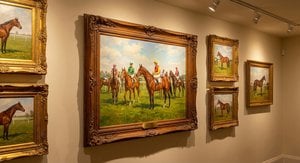
Alfred Munnings: Las 25 Obras Maestras del Pintor de Caballos | ArtsDot
Descubre las 25 obras maestras de Alfred Munnings, el pintor británico de caballos por excelencia. Explora su impresionismo inglés, escenas campestres y técnica única. Encuentra reproducciones de arte de alta calidad en ArtsDot.com.