
- Inicio

- Reproducción al óleo
- Mel Kendrick
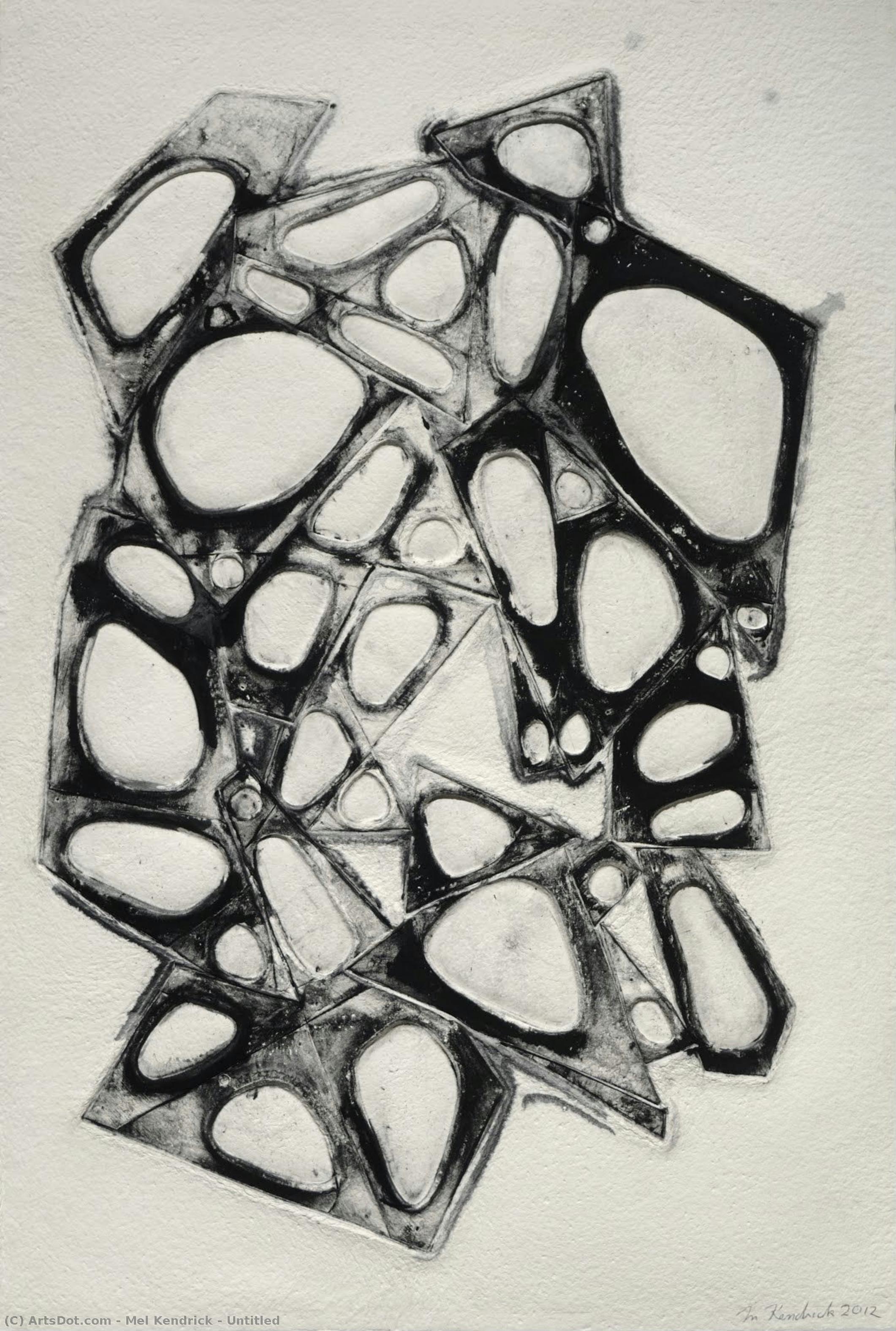
- Untitled
 Comprar impresión Comprar imagen en alta resolución
 Enviar
 Compartir
 Detalles
 Añadir a favoritos

 Descargar
 Similares
 Radiografía
 Presentación de diapositivas
Untitled


 Ver más
Reproducción al óleo hecha a mano
Óleo sobre lienzo pintado a mano en el tamaño y marco de su elección, realizado por encargo por nuestros artistas.




































Elija entre nuestros tamaños predefinidos que respetan las proporciones originales de la obra.

Puede ingresar sus propias dimensiones para adaptarse a un marco o espacio específico. Si el tamaño seleccionado no coincide con las proporciones de la imagen original, recortaremos la obra o extenderemos la pintura con elementos adicionales pintados a mano. Se le enviará una maqueta digital para su aprobación antes de comenzar la producción.
Tenga en cuenta que la vista previa en pantalla no refleja el recorte o la extensión reales. Solo la maqueta mostrará con precisión la composición final.
Si bien existen tamaños personalizados, recomendamos seleccionar una dimensión de la lista predefinida para preservar las proporciones originales.
Tras realizar el pedido, el equipo de ArtsDot.com enviará un correo electrónico al cliente para solicitar instrucciones y proporcionarle una vista previa del boceto.
Entrega mundial () en 3-4 semanas en lugar de las 5 semanas estándar. (23 julio). Sin compromisos con la calidad.

Envío exprés gratuito a todo el mundo

Lienzo de lino de alta calidad

Seguro de envío total

Garantía de reembolso de impuestos aduaneros

Garantía de fidelidad de color

Política de devolución de 60 días (solo por defectos)

Garantía de devolución del 100% del dinero

Descuento por pedido múltiple
 La opción de vidrio solo está disponible en tamaños inferiores a 110 cm.

Untitled
Técnica de reproducción
Tamaño de la reproducción
-


Precio total final
-
Descripción de la obra
Biografía del artista
Mel Kendrick: Sculpting Space and Material
Mel Kendrick (born July 28, 1949) stands as a pivotal figure in contemporary sculpture, recognized for his distinctive approach to form—a masterful blend of geometric precision and tactile materiality. His work transcends mere visual aesthetics; it delves into fundamental questions about process, space, and the inherent poetry within seemingly simple shapes derived from meticulously sliced and reconstituted wooden blocks. This singular technique has cemented Kendrick’s reputation as an innovator who champions both intellectual rigor and sensual engagement with artmaking. Early Influences & Education: Kendrick's artistic journey began in Boston, Massachusetts, where he cultivated a passion for photography at Phillips Academy Andover alongside fellow artists destined for prominence. This formative experience instilled in him an appreciation for visual perception and spatial awareness—influences that would profoundly shape his sculptural explorations. He continued his studies at Trinity College Connecticut before relocating to New York City in 1971, immersing himself in the vibrant artistic milieu of Hunter College under mentors like Robert Morris and Tony Smith, furthering his understanding of minimalist principles. Minimalist Beginnings & Architectural Forms: Kendrick’s initial artistic endeavors aligned closely with the tenets of minimalism—characterized by reductive geometric forms and a deliberate rejection of ornamentation. His early sculptures prioritized architectural precision, mirroring the aesthetic sensibilities of influential predecessors such as Donald Judd, Sol LeWitt, Richard Serra, and Dorothea Rockburne. Notably, his debut solo exhibition at Artists Space in 1974 presented an ambitious challenge to viewers’ perceptions of space—a conceptual breakthrough that foreshadowed his enduring fascination with spatial relationships. A Shift Towards Expressive Materiality: Recognizing the limitations inherent in pure minimalism, Kendrick embarked on a transformative artistic evolution in 1982. Rejecting intellectual constraints, he embraced a more tactile and emotionally resonant style—one that prioritized direct engagement with materials like wood and bronze. This pivotal decision resulted in sculptures imbued with an unexpected dynamism, capturing subtle movements and textures that defied the sterile uniformity of earlier works. Kendrick’s subsequent creations “look offhand, but is in fact complex almost to the point of craziness, Piranesi-style,” reflecting a profound appreciation for the interplay between form and process. Exploring Spatial Poetry & Material Transformations: Kendrick's artistic practice consistently investigates the relationship between sculpture and drawing—a conceptual distinction he considers crucial to conveying “poetry in space.” He skillfully manipulates materials—ranging from wood, rubber, and cast concrete to paper—employing techniques that transform their original form into evocative representations of spatial dimensions. His retrospective "Seeing Things in Things," curated by Brice Marden, illuminated the core of his artistic vision—a deliberate deconstruction and reconstruction of geometric shapes, resulting in sculptures that invite contemplation and stimulate intellectual curiosity. Recognition & Legacy: Kendrick’s contributions to contemporary sculpture have garnered widespread acclaim and acknowledgment. He has received prestigious fellowships from the National Endowment for the Arts, an Academy Award from the American Academy of Arts & Letters, and was elected to the National Academy of Design—honors bestowed upon artists who exemplify exceptional artistic merit. His sculptures are housed in prominent museum collections worldwide—a testament to his enduring influence on the field and a lasting legacy as one of America’s foremost sculptors.
Mel Kendrick
Estados Unidos
Datos clave
- Artistic Movement Or Style: Minimalismo
- Artists Or Movements Influenced By This Artist: ['Contemporary Sculpture']
- Artists Who Influenced This Artist:
- Donald Judd
- Sol LeWitt
- Richard Serra
- Date Of Birth: Julio 28, 1949
- Full Name: Mel Kendrick
- Nationality: American
- Notable Artworks: ['Seeing Things in Things']
- Place Of Birth: Boston, Massachusetts

