

 Vista previa
 Compartir
 Compartir
 Ver detalles

 Descargar
 Ver similares
 Radiografía
 Presentación de diapositivas
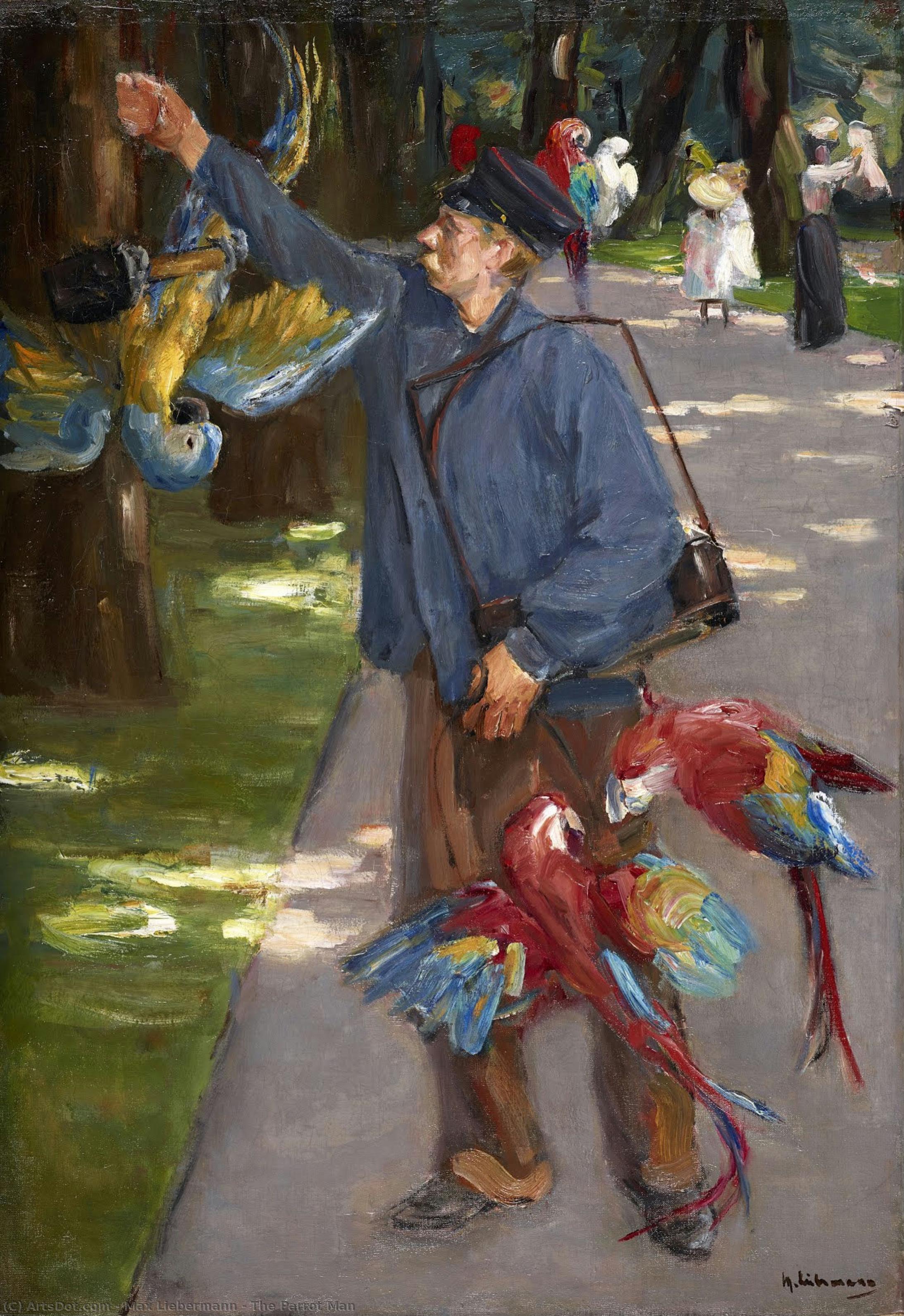
The Parrot Man


 Leer más
Giclée / Impresión de arte
Impresiones giclée o en lienzo de calidad de museo con producción rápida y opciones de acabado flexibles. ( Encargar reproducción pintada a mano Comprar descarga)




P118B $10

P118H $10

P118W $10

P438Z $10

P508JH $12

P508YH $12

P805H $10

P805Z $10

P919BZ $10

P919G $10

P919XJ $10

P959ZH $10

P968JZ $12

W106C $8

W218G $10

W218JH $8

W218Y $10

W307PJ $10

W316G $10

W316PJ $8

W316Y $10

W398PJ $8

W4111J $10

W500HY $15

W500JH $15

W692G $12

W849H $8

W940BG $15

W953PJ $8




Elija entre nuestros tamaños predefinidos que respetan las proporciones originales de la obra.

Puede introducir sus propias dimensiones para adaptarse a un marco o espacio específico. Si el tamaño seleccionado no coincide con las proporciones de la imagen original, recortaremos la obra de arte o extenderemos la imagen con un borde con efecto espejo o de color sólido. Se enviará una maqueta digital para su aprobación antes de que comience la producción.
Tenga en cuenta que la vista previa en pantalla no refleja el recorte o la extensión real. Solo la maqueta mostrará con precisión la composición final.
Aunque existen tamaños personalizados, recomendamos seleccionar una dimensión de la lista predefinida para preservar las proporciones originales.
Envío a todo el mundo () en 2 semanas en lugar de las 4/5 semanas estándar. (17 agosto)

Envío exprés gratuito a todo el mundo

Lienzo de lino de alta calidad

Seguro de envío completo

Garantía de reembolso de aranceles aduaneros

Garantía de fidelidad cromática exacta

Política de devolución de 60 días (solo por defectos)

Garantía de devolución del 100% del dinero

Oferta por volumen
 La opción de vidrio solo está disponible en tamaños inferiores a 110 cm.

The Parrot Man
Giclée / Impresión de arte
Tamaño de la reproducción
-


Precio total
$ 62
Descripción de la pieza
A Vibrant Snapshot of Urban Life
Max Liebermann's “The Parrot Man,” painted in 1902, isn’t merely a depiction of a street vendor; it’s a carefully constructed tableau brimming with the energy and complexities of early 20th-century Berlin. The painting captures a scene unfolding on what appears to be a bustling promenade or park – a vibrant hub of commerce and casual encounters. Liebermann masterfully uses loose, impressionistic brushstrokes to convey not just the visual appearance but also the atmosphere of the moment: a sense of lively movement, dappled light, and the slightly chaotic beauty of everyday life. The composition is dominated by the central figure of the vendor, his posture radiating confidence as he displays his exotic wares – a collection of brilliantly colored parrots perched on his arms. The blurred background figures, rendered with quick, expressive lines, suggest a continuous flow of activity, drawing the viewer into this intimate slice of urban existence.
Impressionistic Technique and Layered Texture
Liebermann’s technique is a fascinating blend of realism and impressionism. He meticulously observes the details – the folds in the vendor's clothing, the texture of the pavement, the iridescent sheen of the parrot feathers – yet he deliberately avoids photographic precision. Instead, he employs thick impasto brushwork, particularly noticeable on the birds themselves, creating a rich, tactile surface that invites close inspection. The use of color is equally deliberate; blues and greens dominate, reflecting the natural environment, while bursts of red from the parrots inject energy and visual interest. The flattened perspective, characteristic of Impressionism, contributes to the painting’s immediacy, pulling the viewer directly into the scene. Liebermann's skillful manipulation of light and shadow adds depth and a sense of realism despite the overall loose style.
Symbolic Layers: Commerce, Exoticism, and Berlin Identity
“The Parrot Man” is more than just a charming street scene; it’s laden with symbolic meaning. The vendor himself represents commerce and the entrepreneurial spirit of Berlin at the turn of the century – a city rapidly modernizing and embracing new economic opportunities. The parrots, imported from distant lands, embody exoticism and the allure of the “new world,” reflecting Berlin's position as a gateway to Europe and beyond. However, there’s also an element of melancholy in the scene. The vendor’s focused gaze suggests a solitary profession, hinting at the isolation that can accompany commerce. Furthermore, the painting subtly captures the spirit of Berlin itself – a city teeming with life, diversity, and a unique blend of tradition and modernity.
A Legacy of Observation: Liebermann's Artistic Vision
Max Liebermann’s “The Parrot Man” exemplifies his distinctive approach to art. Born in 1847, he initially pursued a more conventional path but ultimately found his true calling in painting. Influenced by Impressionism and Realism, Liebermann developed a unique style characterized by keen observation, masterful technique, and a deep understanding of human psychology. His ability to capture fleeting moments of beauty and emotion resonated with audiences and cemented his place as one of Germany’s most important artists. Reproductions of “The Parrot Man” offer a captivating glimpse into this world, allowing viewers to appreciate Liebermann's artistic vision and the vibrant spirit of early 20th-century Berlin.
Obras relacionadas


Biografía del artista
Primeros años y educación
- Nacimiento: Berlín, Alemania (1847)
- Fallecimiento: 1935
Carrera artística e influencias
- Impresionismo: Liebermann se convirtió en un destacado defensor del Impresionismo en Alemania, capturando momentos fugaces de la vida moderna con un enfoque en la luz y el color.
- Influencias: Su estilo estuvo notablemente influenciado por Édouard Manet, evidente en su espíritu y enfoque pictórico.
- Motivos: Frecuentemente representaba escenas de la burguesía y aspectos de su jardín cerca del lago Wannsee.
- Retratista: Liebermann ganó reconocimiento como un renombrado retratista, creando más de 200 retratos encargados, incluyendo los de Albert Einstein y Paul von Hindenburg.
Obras destacadas y logros
- "El niño Jesús de doce años en el templo": Una obra temprana que generó debate debido a su representación de un niño Jesús con rasgos semíticos.
- Elección a la Academia Prusiana de las Artes: Un reconocimiento significativo de su mérito artístico y contribución.
- Liderazgo de la Secesión de Berlín (1899-1911): Lideró esta destacada formación vanguardista en Alemania, desafiando las normas artísticas tradicionales.
Vida posterior y significado histórico
- Renuncia a la Academia Prusiana: En 1933, renunció tras la decisión de la academia de excluir a los artistas judíos.
- Fallecimiento y legado: Falleció en Berlín en 1935, dejando atrás una importante obra que continúa siendo celebrada por su estilo impresionista y su retrato perspicaz de la sociedad alemana.

Max Liebermann
1847 - 1935 , Alemania
Datos clave
- Artistas Influenciados: ['Lovis Corinth']
- Artistas Que Influyeron: ['Édouard Manet']
- Fecha De Fallecimiento: 8 de febrero de 1935
- Fecha De Nacimiento: 20 de julio de 1847
- Lugar De Nacimiento: Berlín, Alemania
- Movimiento Artístico: Impresionismo
- Nacionalidad: Alemán
- Nombre Completo: Max Liebermann
- Obras Notables:
- El niño Jesús en el templo
- Granja holandesa
- Retrato del Dr. Max Linde
Artículos relacionados
Max Ernst: Las 25 Obras Maestras del Surrealismo para Decorar tu Hogar con Arte
Descubre las 25 obras maestras de Max Ernst, el rey del surrealismo. Explora su arte onírico, técnicas innovadoras y simbolismo profundo. Reproducciones de alta calidad para decorar tu hogar con estilo en ArtsDot.com

The Enduring Legacy of Oil on Canvas: Technique, History & Aesthetic Impact
Explore the rich history & techniques of oil painting – from Renaissance masters to Impressionism. Discover pigments, layering methods, and why this timeless medium endures. Expert insights for artists & art enthusiasts.

El Óleo sobre Lienzo: Historia, Técnica y la Persistencia de un Medio Artístico Atemporal
Descubre la historia y técnica del óleo sobre lienzo. Explora reproducciones fieles hechas a mano, personalización artística y consejos de expertos con ArtsDot. ¡Colecciona arte con confianza!

Oil on Board: A Historical Survey of Technique, Aesthetic Qualities & Enduring Appeal
Explore the rich history of oil on board painting! Discover techniques, aesthetic qualities & enduring appeal from early masters to modern practice. Expert insights for collectors and art enthusiasts.

The Enduring Power of Painting: A Historical & Contemporary Exploration of Form and Emotion
Explore the rich history & enduring techniques of oil painting with ArtsDot. Discover masterpieces, learn about art collecting, and find authentic handmade reproductions crafted by skilled artists.



