- Inicio

- Reproducción al óleo
- Max Ernst
- untitled (2284)

 Comprar impresión Comprar imagen en alta resolución
 Enviar
 Compartir
 Detalles
 Añadir a favoritos

 Descargar
 Similares
 Radiografía
 Presentación de diapositivas
untitled (2284)


 Ver más
Reproducción al óleo hecha a mano
Óleo sobre lienzo pintado a mano en el tamaño y marco de su elección, realizado por encargo por nuestros artistas.




P118B $10

P118H $10

P118W $10

P438Z $10

P508JH $12

P508YH $12

P805H $10

P805Z $10

P919BZ $10

P919G $10

P919XJ $10

P959ZH $10

P968JZ $12

W106C $8

W218G $10

W218JH $8

W218Y $10

W307PJ $10

W316G $10

W316PJ $8

W316Y $10

W398PJ $8

W4111J $10

W500HY $15

W500JH $15

W692G $12

W849H $8

W940BG $15

W953PJ $8




Elija entre nuestros tamaños predefinidos que respetan las proporciones originales de la obra.

Puede ingresar sus propias dimensiones para adaptarse a un marco o espacio específico. Si el tamaño seleccionado no coincide con las proporciones de la imagen original, recortaremos la obra o extenderemos la pintura con elementos adicionales pintados a mano. Se le enviará una maqueta digital para su aprobación antes de comenzar la producción.
Tenga en cuenta que la vista previa en pantalla no refleja el recorte o la extensión reales. Solo la maqueta mostrará con precisión la composición final.
Si bien existen tamaños personalizados, recomendamos seleccionar una dimensión de la lista predefinida para preservar las proporciones originales.
Tras realizar el pedido, el equipo de ArtsDot.com enviará un correo electrónico al cliente para solicitar instrucciones y proporcionarle una vista previa del boceto.
Entrega mundial () en 3-4 semanas en lugar de las 5 semanas estándar. (18 julio). Sin compromisos con la calidad.

Envío exprés gratuito a todo el mundo

Lienzo de lino de alta calidad

Seguro de envío total

Garantía de reembolso de impuestos aduaneros

Garantía de fidelidad de color

Política de devolución de 60 días (solo por defectos)

Garantía de devolución del 100% del dinero

Descuento por pedido múltiple
 La opción de vidrio solo está disponible en tamaños inferiores a 110 cm.

untitled (2284)
Técnica de reproducción
Tamaño de la reproducción
-


Precio total final
-
Descripción de la obra
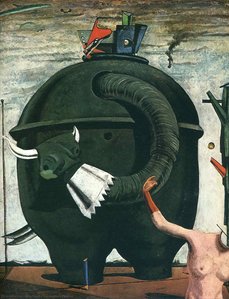
Unveiling the Dreamscape: Max Ernst's "Untitled (2284)"
Max Ernst’s “Untitled (2284)” is not merely a painting; it’s an immersion into the subconscious, a meticulously crafted descent into the unsettling beauty of the surreal. Executed by one of the 20th century's most influential artists, this work embodies Ernst’s lifelong fascination with dreams, mythology, and the exploration of the human psyche. The scene unfolds with a deliberate ambiguity, inviting viewers to confront their own anxieties and interpretations within its bizarre tableau. The painting’s power resides in its ability to simultaneously evoke a sense of unease and profound wonder – a hallmark of Ernst's artistic approach.
A Surrealist Vision: Technique and Composition
Born in Brühl, Germany, in 1891, Max Ernst developed a unique artistic language through experimentation with various techniques. “Untitled (2284)” showcases his mastery of collage and frottage – a method he pioneered where rubbing pencil over textured surfaces to create suggestive patterns. This process is evident in the painting’s layered textures and obscured forms, contributing significantly to its dreamlike quality. The composition itself is deliberately unsettling; the central figure, a man adorned with horns and a mask, dominates the space yet feels strangely detached. The strategic placement of figures – the standing one, the horse, the birds – creates a dynamic tension, drawing the eye across the canvas and reinforcing the feeling of disorientation. Ernst’s meticulous attention to detail, combined with his innovative techniques, elevates this piece beyond simple representation into a realm of symbolic expression.
Symbolism and Interpretation
The imagery within “Untitled (2284)” is rich in potential symbolism, reflecting Ernst's engagement with Freudian psychology. The horned figure can be interpreted as representing primal instincts, the anxieties of societal control, or perhaps a distorted self-image. The animalistic mask suggests a shedding of human identity and an embrace of instinctual behavior. The horse, often associated with power and untamed nature, adds another layer of complexity to the scene. The birds, soaring above and below, could symbolize freedom, escape, or even a detached observation of humanity’s struggles. It's crucial to note that Ernst deliberately avoided providing definitive interpretations, encouraging viewers to engage actively with the artwork and arrive at their own conclusions – a core tenet of Surrealism.
Historical Context and Legacy
"Untitled (2284)" was created during a period of immense social and political upheaval in Europe. The aftermath of World War I profoundly impacted artists, leading to a rejection of traditional values and a search for new forms of expression. Ernst’s work aligns perfectly with the Surrealist movement's desire to liberate art from rational constraints and tap into the power of the unconscious mind. His exploration of dream imagery and psychological themes anticipated many of the concerns that would dominate 20th-century art, solidifying his place as a pivotal figure in modern art history. A reproduction of this piece offers a tangible connection to this groundbreaking artistic movement and its enduring fascination with the hidden depths of human experience.
Obras similares


Biografía del artista
Max Ernst: Una Vida en el Surrealismo
Juventud y Educación
- Nacido: 1 de abril de 1891, en Brühl, Alemania.
- El padre de Ernst, Philipp Ernst, era maestro de sordos y pintor aficionado, fomentando el interés temprano de Max por el arte.
- Estudió filosofía, historia del arte, literatura, psicología y psiquiatría en la Universidad de Bonn desde 1909.
- Esta diversa formación académica influyó profundamente en sus posteriores exploraciones artísticas.
Desarrollo Artístico e Influencias
- Un momento decisivo fue la exposición Sonderbund en Colonia (1912), donde conoció obras de Pablo Picasso, Vincent van Gogh, y Paul Gauguin.
- En 1914, conoció a Hans Arp, comenzando una amistad que duró toda la vida e influyó significativamente en su trayectoria artística.
- La Primera Guerra Mundial impactó profundamente a Ernst; sus experiencias como soldado llevaron al desencanto y a una visión crítica de la sociedad.
- Se sintió influenciado por las obras de Sigmund Freud, explorando temas de la mente inconsciente en su arte.
Dada y Surrealismo
- Ernst se convirtió en una figura clave del grupo Dada de Colonia después de la Primera Guerra Mundial, rechazando las convenciones artísticas tradicionales.
- Pionero en técnicas innovadoras como frottage (frotar lápiz sobre superficies texturizadas) y grattage (raspar pintura para revelar capas subyacentes).
- En la década de 1920, se unió al movimiento Surrealista en París, colaborando con artistas como Paul Éluard.
- Su obra durante este período exploró imágenes oníricas y temas psicológicos.
Obras Principales y Técnicas
- Frottage: Una técnica utilizada para crear texturas e imágenes inesperadas, ejemplificada en muchas de sus obras.
- Collage: Ernst empleó con frecuencia el collage, combinando elementos dispares para crear composiciones surrealistas.
- Obras Notables:
- La Ciudad Entera
- Euclides
- De Esto Ninguno Debería Saber
- Bosque y Paloma
- Sus pinturas a menudo presentan imágenes simbólicas, incluyendo pájaros (particularmente su alter ego Loplop), paisajes y yuxtaposiciones inquietantes.
Vida Tardía y Legado
- Ernst se trasladó a Estados Unidos durante la Segunda Guerra Mundial, continuando pintando y experimentando con nuevas técnicas.
- Regresó a Francia después de la guerra y permaneció activo hasta su muerte el 1 de abril de 1976, en París.
- Significado Histórico: Las contribuciones de Max Ernst a Dada y Surrealismo fueron innovadoras. Desafió las normas artísticas, exploró la mente subconsciente e inventó técnicas innovadoras que continúan inspirando a los artistas de hoy en día.
- Sigue siendo una de las figuras más importantes e influyentes del arte del siglo XX.

Max Ernst
1891 - 1976 , Alemania
Datos clave
- Artistas Influenciados: ['Muchos artistas posteriores']
- Artistas Que Influyeron:
- Pablo Picasso
- Vincent van Gogh
- Paul Gauguin
- Sigmund Freud
- Fecha De Muerte: 1 de abril de 1976
- Fecha De Nacimiento: 1 de abril de 1891
- Lugar De Nacimiento: Brühl, Alemania
- Movimiento Artístico: Dadaísmo y Surrealismo
- Nacionalidad: Alemán/Americano/Francés
- Nombre Completo: Max Ernst
- Obras Notables:
- La Ciudad Entera
- Euclides
- Bosque y Paloma
- El Elefante de Célebes
Artículos relacionados

Surrealismo Expresionista: 10 Obras Maestras que Transformaron el Arte | ArtsDot
Descubre las 10 obras maestras del Surrealismo Expresionista con ArtsDot. Explora la historia de Dalí, Magritte y Miró, su técnica y significado. Encuentra reproducciones de arte exclusivas para transformar tu hogar. ¡Explora la colección completa en ArtsDot.com!
Max Ernst: Las 25 Obras Maestras del Surrealismo para Decorar tu Hogar con Arte
Descubre las 25 obras maestras de Max Ernst, el rey del surrealismo. Explora su arte onírico, técnicas innovadoras y simbolismo profundo. Reproducciones de alta calidad para decorar tu hogar con estilo en ArtsDot.com

Los 10 Maestros del Surrealismo: Obras que Revolucionaron el Arte y la Decoración
Descubre los 10 lienzos surrealistas más influyentes de artistas como Dalí y Magritte. Explora la historia, el simbolismo y las técnicas del movimiento surrealista. Encuentra reproducciones de arte de museo en ArtsDot.com.

René Magritte: Las 25 Obras Maestras del Surrealismo para Inspirar tu Hogar
Descubre las 25 obras maestras de René Magritte, el rey del surrealismo. Explora su arte moderno, significado oculto y técnica única. Encuentra reproducciones de alta calidad e inspira tu hogar con ArtsDot.com.

From Imagination to Canvas: Commissioning Bespoke Fantasy Art with Traditional Oil Painting Techniques
Commission breathtaking bespoke fantasy art with skilled oil painters. Explore techniques, artist selection & preservation tips. Invest in a unique masterpiece today!