


 Ver en contexto
 Enviar
 Compartir
 Detalles

 Descargar
 Similares
 Radiografía
 Presentación de diapositivas
 Estadísticas
Ofrenda funeraria

 Ver más
Giclée / Impresión de arte
Impresiones giclée o en lienzo de calidad de museo con producción rápida y opciones de acabado flexibles. ( Comprar pintura hecha a mano Cambiar a imagen digital)




P118B $10

P118H $10

P118W $10

P438Z $10

P508JH $12

P508YH $12

P805H $10

P805Z $10

P919BZ $10

P919G $10

P919XJ $10

P959ZH $10

P968JZ $12

W106C $8

W218G $10

W218JH $8

W218Y $10

W307PJ $10

W316G $10

W316PJ $8

W316Y $10

W398PJ $8

W4111J $10

W500HY $15

W500JH $15

W692G $12

W849H $8

W940BG $15

W953PJ $8




Elija entre nuestros tamaños predefinidos que respetan las proporciones originales de la obra.

Puede introducir sus propias dimensiones para adaptarse a un marco o espacio específico. Si el tamaño seleccionado no coincide con las proporciones de la imagen original, recortaremos la obra de arte o extenderemos la imagen con un borde con efecto espejo o de color sólido. Se enviará una maqueta digital para su aprobación antes de que comience la producción.
Tenga en cuenta que la vista previa en pantalla no refleja el recorte o la extensión real. Solo la maqueta mostrará con precisión la composición final.
Aunque existen tamaños personalizados, recomendamos seleccionar una dimensión de la lista predefinida para preservar las proporciones originales.
Envío a todo el mundo () en 2 semanas en lugar de las 4/5 semanas estándar. (9 septiembre)

Envío exprés gratuito a todo el mundo

Lienzo de lino de alta calidad

Seguro de envío total

Garantía de reembolso de impuestos aduaneros

Garantía de fidelidad cromática exacta

Política de devolución de 100 días (solo por defectos)

Garantía de devolución del 100% del dinero

Descuento por cantidad
 La opción de vidrio solo está disponible en tamaños inferiores a 110 cm.

Ofrenda funeraria
Giclée / Impresión de arte
Dimensiones de la reproducción
-


Precio total final
$ 62
A Mythical Emergence: Decoding Max Ernst’s ‘Ofrenda funeraria’
- Subject & Style: ‘Ofrenda funeraria’ (Funerary Offering) presents a powerfully rendered, monochrome engraving of a reptilian creature – unmistakably evoking dragons or ancient beasts from folklore. Ernst masterfully blends the fantastical with an almost scientific approach to depiction. The style leans towards historical illustration, reminiscent of early natural history plates attempting to document newly discovered species, yet this ‘species’ exists solely within the realm of imagination.
- This deliberate juxtaposition is a hallmark of Ernst's Surrealist practice – presenting the illogical and dreamlike with meticulous realism.
Technique & Artistic Process
- Engraving Mastery: The artwork’s impact is deeply rooted in its technique. Ernst employed engraving, a labor-intensive process involving the precise cutting of lines into a metal plate with a burin. These lines then hold the ink and transfer the image to paper. This method allows for incredible detail – evident in the textured scales and wrinkles of the creature – and a dramatic interplay of light and shadow achieved through hatching and cross-hatching.
- Surrealist Innovation: While technically demanding, Ernst wasn’t simply showcasing technical skill. He embraced techniques like frottage (rubbing textures onto paper) and collage to unlock the subconscious and generate unexpected imagery. Though ‘Ofrenda funeraria’ is a direct engraving, it embodies this spirit of exploring chance and automatism – allowing the image to emerge from an internal landscape.
Symbolism & Interpretation within Ernst's Oeuvre
- Power & Primal Forces: The creature itself is laden with symbolism. Its imposing size, open mouth, and dynamic pose suggest power, danger, and perhaps even a primal force of nature. Emerging from water further reinforces this connection to the subconscious – water often representing the depths of the human psyche in Surrealist art.
- Ernst’s work frequently grapples with themes of mythology, psychology, and the anxieties of the modern world. ‘Ofrenda funeraria’ can be seen as a visual manifestation of these concerns—a confrontation with our deepest fears and desires.
- Historical Context: Created during a period marked by political upheaval (the aftermath of WWI, the rise of totalitarianism), Ernst's work often reflects disillusionment and a questioning of established norms. The creature could be interpreted as a symbol of destructive forces unleashed upon society.
Emotional Resonance & Aesthetic Impact
- A Striking Presence: Despite its monochrome palette, ‘Ofrenda funeraria’ possesses an undeniable visual impact. The meticulous detail and dramatic composition draw the viewer in, creating a sense of awe and unease.
- The artwork's ability to evoke such strong emotions – fascination, fear, wonder – speaks to Ernst’s mastery as a Surrealist artist.
- Interior Design & Collectibility: This piece would serve as a compelling focal point in any collection. Its dramatic imagery and sophisticated technique lend themselves well to both modern and traditional interiors, adding a touch of intellectual depth and artistic intrigue. A high-quality reproduction captures the intricate detail and emotional power of the original engraving.
Obras relacionadas


Biografía del artista
Max Ernst: Una Vida en el Surrealismo
Juventud y Educación
- Nacido: 1 de abril de 1891, en Brühl, Alemania.
- El padre de Ernst, Philipp Ernst, era maestro de sordos y pintor aficionado, fomentando el interés temprano de Max por el arte.
- Estudió filosofía, historia del arte, literatura, psicología y psiquiatría en la Universidad de Bonn desde 1909.
- Esta diversa formación académica influyó profundamente en sus posteriores exploraciones artísticas.
Desarrollo Artístico e Influencias
- Un momento decisivo fue la exposición Sonderbund en Colonia (1912), donde conoció obras de Pablo Picasso, Vincent van Gogh, y Paul Gauguin.
- En 1914, conoció a Hans Arp, comenzando una amistad que duró toda la vida e influyó significativamente en su trayectoria artística.
- La Primera Guerra Mundial impactó profundamente a Ernst; sus experiencias como soldado llevaron al desencanto y a una visión crítica de la sociedad.
- Se sintió influenciado por las obras de Sigmund Freud, explorando temas de la mente inconsciente en su arte.
Dada y Surrealismo
- Ernst se convirtió en una figura clave del grupo Dada de Colonia después de la Primera Guerra Mundial, rechazando las convenciones artísticas tradicionales.
- Pionero en técnicas innovadoras como frottage (frotar lápiz sobre superficies texturizadas) y grattage (raspar pintura para revelar capas subyacentes).
- En la década de 1920, se unió al movimiento Surrealista en París, colaborando con artistas como Paul Éluard.
- Su obra durante este período exploró imágenes oníricas y temas psicológicos.
Obras Principales y Técnicas
- Frottage: Una técnica utilizada para crear texturas e imágenes inesperadas, ejemplificada en muchas de sus obras.
- Collage: Ernst empleó con frecuencia el collage, combinando elementos dispares para crear composiciones surrealistas.
- Obras Notables:
- La Ciudad Entera
- Euclides
- De Esto Ninguno Debería Saber
- Bosque y Paloma
- Sus pinturas a menudo presentan imágenes simbólicas, incluyendo pájaros (particularmente su alter ego Loplop), paisajes y yuxtaposiciones inquietantes.
Vida Tardía y Legado
- Ernst se trasladó a Estados Unidos durante la Segunda Guerra Mundial, continuando pintando y experimentando con nuevas técnicas.
- Regresó a Francia después de la guerra y permaneció activo hasta su muerte el 1 de abril de 1976, en París.
- Significado Histórico: Las contribuciones de Max Ernst a Dada y Surrealismo fueron innovadoras. Desafió las normas artísticas, exploró la mente subconsciente e inventó técnicas innovadoras que continúan inspirando a los artistas de hoy en día.
- Sigue siendo una de las figuras más importantes e influyentes del arte del siglo XX.

Max Ernst
1891 - 1976 , Alemania
Datos clave
- Artistas Influenciados: ['Muchos artistas posteriores']
- Artistas Que Influyeron:
- Pablo Picasso
- Vincent van Gogh
- Paul Gauguin
- Sigmund Freud
- Fecha De Muerte: 1 de abril de 1976
- Fecha De Nacimiento: 1 de abril de 1891
- Lugar De Nacimiento: Brühl, Alemania
- Movimiento Artístico: Dadaísmo y Surrealismo
- Nacionalidad: Alemán/Americano/Francés
- Nombre Completo: Max Ernst
- Obras Notables:
- La Ciudad Entera
- Euclides
- Bosque y Paloma
- El Elefante de Célebes
Artículos relacionados

Los 10 Maestros del Surrealismo: Obras que Desafían la Realidad | ArtsDot
Descubre los 10 cuadros surrealistas más influyentes de artistas como Dalí y Magritte. Explora la historia, el simbolismo y las técnicas del movimiento surrealista. Encuentra reproducciones de arte de museo en ArtsDot.com.

Engraving: A Historical Survey of Technique, Artistic Expression & Enduring Legacy
Explore the rich history of engraving with ArtsDot. Discover techniques, iconic artists like Dürer & Callot, collecting tips, and expert guidance for preserving your art investment. Learn about intaglio printing & more!

El Intricado Mundo del Grabado: Técnica, Expresión y Legado Histórico
Descubre la fascinante historia del grabado calcográfico: técnicas ancestrales, maestros como Goya y su impacto en el arte y la ciencia. Guía experta para coleccionistas y amantes del arte.
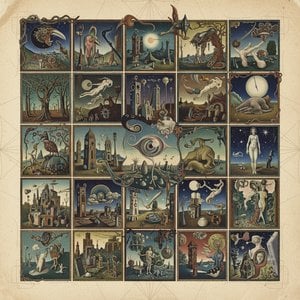
Max Ernst: Las 25 Obras Maestras del Surrealismo para Decorar tu Hogar con Arte
Descubre las 25 obras maestras de Max Ernst, el rey del surrealismo. Explora su arte onírico, técnicas innovadoras y simbolismo profundo. Reproducciones de alta calidad para decorar tu hogar con estilo en ArtsDot.com

Los 10 Grabados Legendarios que Transformaron la Historia del Arte | ArtsDot
Descubre los 10 grabados legendarios de Dürer, Rembrandt y Goya que revolucionaron el arte. Explora la historia, técnicas y belleza atemporal de estas obras maestras. Reproducciones de alta calidad en ArtsDot.com para decorar tu hogar con arte clásico.


