

 Ver en contexto
 Enviar
 Compartir
 Detalles
 Guía
Guía

 Descargar
 Similares
 Radiografía
 Presentación de diapositivas
 Preguntas y respuestas
 Estadísticas
Léda y el cisne


 Ver más
La obra de arte que se muestra en esta página está protegida por las leyes de propiedad intelectual, lo que significa que no podemos crear ni vender legalmente una reproducción idéntica. Esta protección se hace cumplir en virtud de acuerdos internacionales como el Convenio de Berna y por las leyes nacionales, incluidas aquellas establecidas por el Ley de derechos de autor de los EE. UU. - Título 17.
Este método cumple plenamente con las normativas de derechos de autor, ya que no implica la copia ni la duplicación de la obra protegida. En su lugar, se trata de una reinterpretación creativa: una nueva pintura influenciada por la original, pero que no es idéntica a ella.
Giclée / Impresión de arte
Impresiones giclée o en lienzo de calidad de museo con producción rápida y opciones de acabado flexibles. ( Comprar pintura hecha a mano Cambiar a imagen digital)




P118B €10

P118H €10

P118W €10

P438Z €10

P508JH €12

P508YH €12

P805H €10

P805Z €10

P919BZ €10

P919G €10

P919XJ €10

P959ZH €10

P968JZ €12

W106C €8

W218G €10

W218JH €8

W218Y €10

W307PJ €10

W316G €10

W316PJ €8

W316Y €10

W398PJ €8

W4111J €10

W500HY €15

W500JH €15

W692G €12

W849H €8

W940BG €15

W953PJ €8




Elija entre nuestros tamaños predefinidos que respetan las proporciones originales de la obra.

Introduzca el ancho y el alto que necesite para adaptarse a su marco o pared. Una impresión solo puede recortarse, nunca hacerse más grande que la imagen original, por lo que un tamaño con una forma distinta perderá parte de la obra. Le enviaremos una maqueta digital para su aprobación antes de realizar cualquier impresión. La imagen que se muestra en esta página no refleja el recorte real; solo la maqueta lo hace.
Envío a todo el mundo () en 2 semanas en lugar de las 4/5 semanas estándar. (9 noviembre)

Envío exprés gratuito a todo el mundo

Lienzo de lino de alta calidad

Seguro de envío total

Garantía de reembolso de aranceles aduaneros

Garantía de fidelidad cromática exacta

Política de devolución de 100 días (solo por defectos)

Garantía de devolución del 100% del dinero

Descuento por cantidad
 La opción de vidrio solo está disponible en tamaños inferiores a 110 cm.

Léda y el cisne
Giclée / Impresión de arte
Dimensiones de la reproducción
-


Precio total final
€ 56
Un encuentro surrealista: Léda y el cisne de Max Ernst
Esta cautivadora pintura de Max Ernst, Léda y el cisne, sumerge al espectador en un mundo onírico impregnado de mitología y tensión psicológica. La obra representa el icónico mito griego de Leda siendo seducida por Zeus disfrazado de cisne, una narrativa frecuentemente explorada en la historia del arte, pero que aquí se presenta con el sello distintivo del estilo surrealista de Ernst.Descifrando la composición y el estilo
La composición resulta impactante desde el primer instante. Dos figuras femeninas dominan el lienzo; una parece emerger de la otra o envolverla, creando un juego dinismo entre forma y profundidad. No se trata de una representación lineal del mito; por el contrario, Ernst fractura y reensambla los elementos para evocar una sensación de inquietud y misterio. Las figuras circundantes, dispersas sutilmente en el fondo y con una presencia prominente en el borde izquierdo, resultan ambiguas y contribuyen a la atmósfera perturbadora de la pintura. El audaz telón de fondo de paredes rojas no es meramente decorativo, sino que intensifica el impacto emocional, sugiriendo pasión, peligro o incluso confinamiento. Ernst emplea con maestría un estilo que fusiona elementos tanto del dadaísmo como del surrealismo; aunque sus raíces están en formas reconocibles, las distorsiona para crear un lenguaje visual ilógico pero fascinante.Técnica y materiales
Aunque la técnica específica utilizada para Léda y el cisne no está documentada explícitamente sin conocer el tamaño o los materiales exactos, Ernst fue pionero en diversas técnicas innovadoras durante su carrera. Es reconocido por el frottage (frotar texturas sobre papel) y el grattage (raspar la pintura para revelar capas subyacentes), métodos que utilizó para liberar imágenes del subconsciente. Es muy probable que aquí se emplearan enfoques experimentales similares, lo que contribuye a la superficie texturizada y a la cualidad onírica de la obra. El uso de las pinturas al óleo permite una rica saturación del color y un difuminado sutil, potenciando el impacto visual general.Contexto histórico y simbolismo
Creada durante un periodo de gran agitación artística (principios a mediados del siglo XX), Léda y el cisne refleja las ansiedades y exploraciones psicológicas prevalentes tanto en el movimiento Dada como en el Surrealista. Ernst, tras haber experimentado los horrores de la Primera Guerra Mundial, buscó desmantelar las convenciones artísticas tradicionales para explorar las profundidades irracionales de la psique humana. El mito de Leda en sí mismo es rico en simbolismo: representa el deseo, las dinámicas de poder, la transformación y el desvanecimiento de las fronteras entre lo humano y lo animal. La interpretación de Ernst añade capas de complejidad, aludiendo potencialmente a temas de vulnerabilidad, transgresión o la naturaleza destructiva de la pasión.Impacto emocional e interpretación
Léda y el cisne no es una pintura que ofrezca respuestas fáciles; está diseñada para provocar la reflexión y suscitar una respuesta emocional. Las figuras ambiguas y la composición inquietante crean un sentido de tensión, invitando a los espectadores a confrontar sus propias asociaciones subconscientes con el mito y sus temas. El poder de esta obra reside en su capacidad para conectar con emociones primordiales y explorar los aspectos más oscuros de la experiencia humana.Para coleccionistas y diseñadores
Esta pieza funcionaría como un poderoso punto focal en cualquier colección, particularmente en aquellas centradas en el surrealismo, el dadaísmo o las temáticas mitológicas. Su audaz paleta de colores y su composición dinámica la hacen ideal tanto para diseños de interiores modernos como eclécticos. Una reproducción de alta calidad de Léda y el cisne añadirá, sin duda, un toque de sofisticación intelectual e intriga artística a cualquier espacio.Preguntas y respuestas
¿Qué representa "Léda y el cisne" de Max Ernst?
Los temas presentes en "Léda y el cisne" de Max Ernst incluyen mythology, dreamscape, symbolism, surrealist art, female figures, red walls, texture, los cuales resumen la temática de la obra.
¿Qué nivel de saturación e intensidad presenta "Léda y el cisne" de Max Ernst?
La paleta cromática de "Léda y el cisne" presenta una saturación de Suavidad equilibrada y una intensidad de Equilibrado.
¿Dónde puedo descargar "Léda y el cisne" de Max Ernst?
Puede descargar la imagen de "Léda y el cisne" de Max Ernst en la página de Descargar imagen digital de la obra: descarga de una imagen digital en alta resolución.
Obras relacionadas


Biografía del artista
Max Ernst: Una Vida en el Surrealismo
Juventud y Educación
- Nacido: 1 de abril de 1891, en Brühl, Alemania.
- El padre de Ernst, Philipp Ernst, era maestro de sordos y pintor aficionado, fomentando el interés temprano de Max por el arte.
- Estudió filosofía, historia del arte, literatura, psicología y psiquiatría en la Universidad de Bonn desde 1909.
- Esta diversa formación académica influyó profundamente en sus posteriores exploraciones artísticas.
Desarrollo Artístico e Influencias
- Un momento decisivo fue la exposición Sonderbund en Colonia (1912), donde conoció obras de Pablo Picasso, Vincent van Gogh, y Paul Gauguin.
- En 1914, conoció a Hans Arp, comenzando una amistad que duró toda la vida e influyó significativamente en su trayectoria artística.
- La Primera Guerra Mundial impactó profundamente a Ernst; sus experiencias como soldado llevaron al desencanto y a una visión crítica de la sociedad.
- Se sintió influenciado por las obras de Sigmund Freud, explorando temas de la mente inconsciente en su arte.
Dada y Surrealismo
- Ernst se convirtió en una figura clave del grupo Dada de Colonia después de la Primera Guerra Mundial, rechazando las convenciones artísticas tradicionales.
- Pionero en técnicas innovadoras como frottage (frotar lápiz sobre superficies texturizadas) y grattage (raspar pintura para revelar capas subyacentes).
- En la década de 1920, se unió al movimiento Surrealista en París, colaborando con artistas como Paul Éluard.
- Su obra durante este período exploró imágenes oníricas y temas psicológicos.
Obras Principales y Técnicas
- Frottage: Una técnica utilizada para crear texturas e imágenes inesperadas, ejemplificada en muchas de sus obras.
- Collage: Ernst empleó con frecuencia el collage, combinando elementos dispares para crear composiciones surrealistas.
- Obras Notables:
- La Ciudad Entera
- Euclides
- De Esto Ninguno Debería Saber
- Bosque y Paloma
- Sus pinturas a menudo presentan imágenes simbólicas, incluyendo pájaros (particularmente su alter ego Loplop), paisajes y yuxtaposiciones inquietantes.
Vida Tardía y Legado
- Ernst se trasladó a Estados Unidos durante la Segunda Guerra Mundial, continuando pintando y experimentando con nuevas técnicas.
- Regresó a Francia después de la guerra y permaneció activo hasta su muerte el 1 de abril de 1976, en París.
- Significado Histórico: Las contribuciones de Max Ernst a Dada y Surrealismo fueron innovadoras. Desafió las normas artísticas, exploró la mente subconsciente e inventó técnicas innovadoras que continúan inspirando a los artistas de hoy en día.
- Sigue siendo una de las figuras más importantes e influyentes del arte del siglo XX.

Max Ernst
1891 - 1976 , Alemania
Datos clave
- Artistas Influenciados: ['Muchos artistas posteriores']
- Artistas Que Influyeron:
- Pablo Picasso
- Vincent van Gogh
- Paul Gauguin
- Sigmund Freud
- Fecha De Muerte: 1 de abril de 1976
- Fecha De Nacimiento: 1 de abril de 1891
- Lugar De Nacimiento: Brühl, Alemania
- Movimiento Artístico: Dadaísmo y Surrealismo
- Nacionalidad: Alemán/Americano/Francés
- Nombre Completo: Max Ernst
- Obras Notables:
- La Ciudad Entera
- Euclides
- Bosque y Paloma
- El Elefante de Célebes
Artículos relacionados

Descubre el misterio: Las 25 obras maestras del surrealista René Magritte
Explora las 25 obras maestras de René Magritte y su misterio surrealista. ¡Descubre toda la colección en ArtsDot.com!
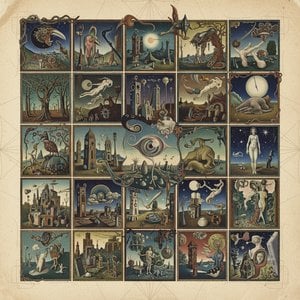
Explorando el inconsciente: Las 25 obras maestras de Max Ernst
Viaja por el surrealismo con las 25 mejores obras de Max Ernst. Explora esta colección única en ArtsDot.com.

Los 10 Maestros del Surrealismo: Obras que Desafían la Realidad | ArtsDot
Descubre los 10 cuadros surrealistas más influyentes de artistas como Dalí y Magritte. Explora la historia, el simbolismo y las técnicas del movimiento surrealista. Encuentra reproducciones de arte de museo en ArtsDot.com.


