


 Vista previa
 Compartir
 Compartir
 Ver detalles
 Guía
Guía

 Descargar
 Ver artículos similares
 Radiografía
 Presentación de diapositivas
 Estadísticas
Il Cacciatore


 Leer más
Giclée / Impresión de arte
Impresiones giclée o en lienzo de calidad de museo con producción rápida y opciones de acabado flexibles. ( Encargar reproducción pintada a mano Ver versión en imagen digital)




P118B €10

P118H €10

P118W €10

P438Z €10

P508JH €12

P508YH €12

P805H €10

P805Z €10

P919BZ €10

P919G €10

P919XJ €10

P959ZH €10

P968JZ €12

W106C €8

W218G €10

W218JH €8

W218Y €10

W307PJ €10

W316G €10

W316PJ €8

W316Y €10

W398PJ €8

W4111J €10

W500HY €15

W500JH €15

W692G €12

W849H €8

W940BG €15

W953PJ €8




Elija entre nuestros tamaños predefinidos que respetan las proporciones originales de la obra.

Puede introducir sus propias dimensiones para adaptarse a un marco o espacio específico. Si el tamaño seleccionado no coincide con las proporciones de la imagen original, recortaremos la obra de arte o extenderemos la imagen con un borde con efecto espejo o de color sólido. Se enviará una maqueta digital para su aprobación antes de que comience la producción.
Tenga en cuenta que la vista previa en pantalla no refleja el recorte o la extensión real. Solo la maqueta mostrará con precisión la composición final.
Aunque existen tamaños personalizados, recomendamos seleccionar una dimensión de la lista predefinida para preservar las proporciones originales.
Envío a todo el mundo () en 2 semanas en lugar de las 4/5 semanas estándar. (4 octubre)

Envío exprés gratuito a todo el mundo

Lienzo de lino de alta calidad

Seguro de envío completo

Garantía de reembolso de impuestos aduaneros

Garantía de fidelidad cromática exacta

Política de devolución de 100 días (solo por defectos)

Garantía de devolución del 100% del dinero

Oferta por volumen
 La opción de vidrio solo está disponible en tamaños inferiores a 110 cm.

Il Cacciatore
Giclée / Impresión de arte
Tamaño de la reproducción
-


Precio total
€ 53
A Surreal Encounter: Decoding Max Ernst’s ‘Il cacciatore’
Max Ernst's *Il cacciatore* (“The Hunter”) is a captivating and unsettling work that exemplifies his pivotal role in both the Dada and Surrealist movements. Painted at an unknown date, this piece isn’t simply a depiction of objects; it’s a carefully constructed dreamscape brimming with psychological tension and symbolic weight. The artwork presents a still life scene, yet one profoundly divorced from traditional representation, inviting viewers into a world where logic bends to the will of the subconscious.Subject Matter & Composition
The composition centers around a table hosting an enigmatic gathering: a seated figure – ambiguous in form and identity – alongside a dog, and dominated by a towering, abstract structure resembling a column or tower. This arrangement is deliberately asymmetrical and dynamic, creating a sense of unease rather than harmony. Recognizable elements are juxtaposed with fantastical forms, blurring the lines between reality and imagination. The hunter alluded to in the title isn’t explicitly present as a person, but perhaps embodied *in* the scene itself – a silent observer or an unseen force influencing the arrangement.Style & Technique
Ernst's style here leans heavily into Surrealism and Expressionism. He abandons realistic representation in favor of distorted shapes and fluid lines that evoke a dreamlike quality. The application of oil paint is particularly noteworthy; thick impasto strokes create a rich, tactile texture, suggesting a heavily worked surface and adding to the painting’s visceral impact. This technique isn't merely aesthetic – it contributes to the sense of instability and psychological depth within the work.Color Palette & Emotional Impact
The color palette is dominated by deep blues and golds, creating a somber yet regal atmosphere. Intense reds and oranges are strategically employed as highlights, drawing the eye to key elements and amplifying the emotional tension. The overall effect is one of mystery, melancholy, and perhaps even foreboding. The unsettling arrangement and deliberate use of color contribute to a feeling that something significant – but unknowable – is unfolding within this strange tableau.Historical Context & Symbolism
Max Ernst was a key figure in challenging artistic conventions during the early 20th century. Emerging from the trauma of World War I, Dada rejected reason and logic, embracing absurdity as a protest against societal norms. Surrealism, which followed, sought to unlock the power of the unconscious mind – influenced by the theories of Sigmund Freud. *Il cacciatore* embodies these principles perfectly. The ambiguous symbolism invites multiple interpretations; the tower could represent isolation or aspiration, while the dog might symbolize loyalty or instinct. Ernst frequently employed symbolic imagery drawn from mythology, dreams, and personal experiences, making his work deeply layered and open to individual interpretation.Ernst’s Legacy & Collecting Considerations
Max Ernst's innovative techniques – including frottage (rubbing textures onto canvas) and collage – profoundly influenced generations of artists. His exploration of the subconscious continues to resonate with contemporary audiences. *Il cacciatore*, while perhaps less famous than some of his other works, is a prime example of his unique vision and mastery of Surrealist principles. For collectors and interior designers, a reproduction of this piece offers a sophisticated touch of artistic intrigue, adding depth and conversation-starting appeal to any space. Its rich colors and dynamic composition make it particularly well-suited for modern or eclectic interiors seeking a touch of the avant-garde.Preguntas y respuestas
¿A qué etapa de la carrera de Max Ernst pertenece "Il Cacciatore"?
"Il Cacciatore" pertenece al Mature Surrealism de la trayectoria de Max Ernst. Esta clasificación vincula la obra con el desarrollo del artista.
¿Qué nivel de contraste presenta "Il Cacciatore" de Max Ernst?
"Il Cacciatore" de Max Ernst muestra un contraste Equilibrado entre sus zonas de luz y sombra.
¿Quién vende copias pintadas a mano de "Il Cacciatore" de Max Ernst?
Las copias pintadas a mano de "Il Cacciatore" de Max Ernst se venden en este sitio web: una reproducción al óleo pintada a mano sobre lienzo de lino, las cuales pueden solicitarse desde esta página.
¿Cuál es el tamaño de impresión recomendado para "Il Cacciatore" de Max Ernst?
Se recomienda imprimir "Il Cacciatore" en un tamaño de Grande. Otros tamaños están disponibles con las mismas proporciones.
¿Qué atmósfera transmite "Il Cacciatore"?
"Il Cacciatore" de Max Ernst se describe con un sentimiento Místico. Esta clasificación puede ayudar a combinar la obra con un entorno.
¿A qué artista se le atribuye "Il Cacciatore"?
"Il Cacciatore" se atribuye a Max Ernst.
¿Está "Il Cacciatore" disponible como una impresión de bellas artes?
"Il Cacciatore" está disponible como una impresión de bellas artes sobre lienzo de algodón o papel de lienzo de archivo. Los pedidos se realizan en esta página, en el tamaño de su elección.
Obras relacionadas


Biografía del artista
Max Ernst: Una Vida en el Surrealismo
Juventud y Educación
- Nacido: 1 de abril de 1891, en Brühl, Alemania.
- El padre de Ernst, Philipp Ernst, era maestro de sordos y pintor aficionado, fomentando el interés temprano de Max por el arte.
- Estudió filosofía, historia del arte, literatura, psicología y psiquiatría en la Universidad de Bonn desde 1909.
- Esta diversa formación académica influyó profundamente en sus posteriores exploraciones artísticas.
Desarrollo Artístico e Influencias
- Un momento decisivo fue la exposición Sonderbund en Colonia (1912), donde conoció obras de Pablo Picasso, Vincent van Gogh, y Paul Gauguin.
- En 1914, conoció a Hans Arp, comenzando una amistad que duró toda la vida e influyó significativamente en su trayectoria artística.
- La Primera Guerra Mundial impactó profundamente a Ernst; sus experiencias como soldado llevaron al desencanto y a una visión crítica de la sociedad.
- Se sintió influenciado por las obras de Sigmund Freud, explorando temas de la mente inconsciente en su arte.
Dada y Surrealismo
- Ernst se convirtió en una figura clave del grupo Dada de Colonia después de la Primera Guerra Mundial, rechazando las convenciones artísticas tradicionales.
- Pionero en técnicas innovadoras como frottage (frotar lápiz sobre superficies texturizadas) y grattage (raspar pintura para revelar capas subyacentes).
- En la década de 1920, se unió al movimiento Surrealista en París, colaborando con artistas como Paul Éluard.
- Su obra durante este período exploró imágenes oníricas y temas psicológicos.
Obras Principales y Técnicas
- Frottage: Una técnica utilizada para crear texturas e imágenes inesperadas, ejemplificada en muchas de sus obras.
- Collage: Ernst empleó con frecuencia el collage, combinando elementos dispares para crear composiciones surrealistas.
- Obras Notables:
- La Ciudad Entera
- Euclides
- De Esto Ninguno Debería Saber
- Bosque y Paloma
- Sus pinturas a menudo presentan imágenes simbólicas, incluyendo pájaros (particularmente su alter ego Loplop), paisajes y yuxtaposiciones inquietantes.
Vida Tardía y Legado
- Ernst se trasladó a Estados Unidos durante la Segunda Guerra Mundial, continuando pintando y experimentando con nuevas técnicas.
- Regresó a Francia después de la guerra y permaneció activo hasta su muerte el 1 de abril de 1976, en París.
- Significado Histórico: Las contribuciones de Max Ernst a Dada y Surrealismo fueron innovadoras. Desafió las normas artísticas, exploró la mente subconsciente e inventó técnicas innovadoras que continúan inspirando a los artistas de hoy en día.
- Sigue siendo una de las figuras más importantes e influyentes del arte del siglo XX.

Max Ernst
1891 - 1976 , Alemania
Datos clave
- Artistas Influenciados: ['Muchos artistas posteriores']
- Artistas Que Influyeron:
- Pablo Picasso
- Vincent van Gogh
- Paul Gauguin
- Sigmund Freud
- Fecha De Muerte: 1 de abril de 1976
- Fecha De Nacimiento: 1 de abril de 1891
- Lugar De Nacimiento: Brühl, Alemania
- Movimiento Artístico: Dadaísmo y Surrealismo
- Nacionalidad: Alemán/Americano/Francés
- Nombre Completo: Max Ernst
- Obras Notables:
- La Ciudad Entera
- Euclides
- Bosque y Paloma
- El Elefante de Célebes
Artículos relacionados
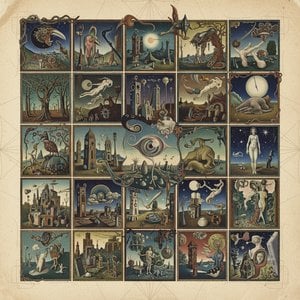
Max Ernst: Las 25 Obras Maestras del Surrealismo para Decorar tu Hogar con Arte
Descubre las 25 obras maestras de Max Ernst, el rey del surrealismo. Explora su arte onírico, técnicas innovadoras y simbolismo profundo. Reproducciones de alta calidad para decorar tu hogar con estilo en ArtsDot.com

Clyfford Still's Abstract Expressionism: A Study of Color, Form & the Existential Landscape
Explore the profound world of Clyfford Still's Abstract Expressionism with ArtsDot. Discover his unique style, existential themes & investment potential. Expert analysis for discerning collectors.

Kandinsky: Las 25 Obras Maestras del Pionero de la Abstracción | ArtsDot
Descubre las 25 obras maestras de Wassily Kandinsky, pionero del arte abstracto. Explora su expresionismo, composiciones únicas y la historia detrás de cada cuadro. Reproducciones de alta calidad para decorar tu hogar con arte moderno en ArtsDot.com.

Más Allá de la Representación: Explorando el Paisaje Emocional del Expresionismo Abstracto
Descubra el Expresionismo Abstracto en profundidad. Análisis de artistas clave como Rothko y Richter, su contexto histórico e inversión en arte. Guía experta para coleccionistas.

Expresionismo Abstracto: 10 Obras Maestras que Transformaron el Arte |
Descubre las 10 obras maestras del Expresionismo Abstracto: Pollock, Rothko y más. Explora la historia, técnica y significado de estos lienzos icónicos. Reproducciones de arte exclusivas en .


