


 Vista previa
 Compartir
 Compartir
 Ver detalles
 Guía
Guía

 Descargar
 Ver artículos similares
 Radiografía
 Presentación de diapositivas
 Estadísticas
Skulls


 Leer más
La obra de arte que se muestra en esta página está protegida por las leyes de propiedad intelectual, lo que significa que no podemos crear ni vender legalmente una reproducción idéntica. Esta protección se hace cumplir en virtud de acuerdos internacionales como el Convenio de Berna y por las leyes nacionales, incluidas aquellas establecidas por el Ley de derechos de autor de los EE. UU. - Título 17.
Este método cumple plenamente con las normativas de derechos de autor, ya que no implica la copia ni la duplicación de la obra protegida. En su lugar, se trata de una reinterpretación creativa: una nueva pintura influenciada por la original, pero que no es idéntica a ella.
Giclée / Impresión de arte
Impresiones giclée o en lienzo de calidad de museo con producción rápida y opciones de acabado flexibles. ( Encargar reproducción pintada a mano Ver versión en imagen digital)




P118B €10

P118H €10

P118W €10

P438Z €10

P508JH €12

P508YH €12

P805H €10

P805Z €10

P919BZ €10

P919G €10

P919XJ €10

P959ZH €10

P968JZ €12

W106C €8

W218G €10

W218JH €8

W218Y €10

W307PJ €10

W316G €10

W316PJ €8

W316Y €10

W398PJ €8

W4111J €10

W500HY €15

W500JH €15

W692G €12

W849H €8

W940BG €15

W953PJ €8




Elija entre nuestros tamaños predefinidos que respetan las proporciones originales de la obra.

Introduzca el ancho y el alto que necesite para adaptarse a su marco o pared. Una impresión solo puede recortarse, nunca hacerse más grande que la imagen original, por lo que un tamaño con una forma distinta perderá parte de la obra. Le enviaremos una maqueta digital para su aprobación antes de realizar cualquier impresión. La imagen que se muestra en esta página no refleja el recorte real; solo la maqueta lo hace.
Envío a todo el mundo () en 2 semanas en lugar de las 4/5 semanas estándar. (21 octubre)

Envío exprés gratuito a todo el mundo

Lienzo de lino de alta calidad

Seguro de envío completo

Garantía de reembolso de impuestos aduaneros

Garantía de fidelidad cromática exacta

Política de devolución de 100 días (solo por defectos)

Garantía de devolución del 100% del dinero

Oferta por volumen
 La opción de vidrio solo está disponible en tamaños inferiores a 110 cm.

Skulls
Giclée / Impresión de arte
Tamaño de la reproducción
-


Precio total
€ 54
Marlene Dumas: Confronting Mortality Through Fragmented Portraits
Marlene Dumas’s paintings stand apart in contemporary art—not merely for their aesthetic qualities but for the profound emotional resonance they evoke. Born in Cape Town, South Africa, in 1953, Dumas’s artistic vision is inextricably linked to her formative experiences amidst the turbulent landscape of apartheid, an encounter that instilled within her a deep understanding of social injustice and the complexities inherent in human identity.
Her upbringing on her father’s vineyard offered glimpses into both beauty and hardship—a duality that would permeate her oeuvre. Observing firsthand the divisions and inequalities shaping South African society during those years fueled her desire to explore themes of race, sexuality, and vulnerability through art. Dumas honed her skills at the University of Cape Town before relocating to Amsterdam, where she pursued studies in painting and psychology simultaneously.
This dual pursuit provided a crucial foundation for her artistic practice, fostering an intellectual curiosity that complemented her intuitive sensitivity to visual form. Dumas’s method is characterized by a deliberate rejection of traditional techniques—she eschews meticulous detail, favoring instead loose brushstrokes and washes of pigment that prioritize atmosphere and emotion over precise representation.
Her subjects are drawn from a private archive of photographs, encompassing an astonishing array of figures: children, pornographic nudes, corpses, torture victims, and terrorists. This selection reflects Dumas’s unwavering commitment to confronting uncomfortable truths about human experience—a boldness that aligns her work with the broader trajectory of the Pictures Generation and photography's expanding influence on artistic expression.
Crucially, Dumas doesn’t merely reproduce images; she transforms them, reclaiming corporeality from their photographic origins. Her paintings disrupt the source material they derive from, mirroring the fragmented nature of memory and perception. The resulting compositions often explore eroticism—ranging from explicit depictions of sexual acts to lyrical evocations of desire—demonstrating a willingness to grapple with taboo subjects.
Despite portraying scenes of death or brutality, Dumas’s intention isn't to shock but rather to reveal—to expose the vulnerability inherent in human existence and to challenge viewers to confront their own biases. Her recent works delve into pressing social issues, addressing legacies of apartheid and responding to pivotal historical moments like September 11th.
“Skulls,” created in 2015, exemplifies Dumas’s distinctive style—a series of portraits rendered in muted tones against stark white backgrounds. The skulls themselves are presented as individual objects on a wall, emphasizing their materiality and confronting viewers with the inevitability of mortality. The painting's simplicity underscores its emotional impact, inviting contemplation about loss, remembrance, and the enduring presence of death.
Currently housed at la Biennale di Venezia (Venice, Italy), “Skulls” stands as a testament to Dumas’s ability to distill complex ideas into visually arresting compositions. Its understated elegance speaks volumes about her artistic philosophy—a dedication to capturing fleeting moments of human emotion with unwavering honesty and sensitivity.
- Artist: Marlene Dumas
- Born Year: 1953
- Death Year: Living
- Birth City: Cape Town
- Birth Country: South Africa
Explore the captivating beauty and poignant reflection of Marlene Dumas’s “Skulls” – a masterpiece that embodies her signature style and confronts viewers with profound questions about life, death, and human experience.
Preguntas y respuestas
¿Qué tan saturada es la paleta de "Skulls"?
"Skulls" de Marlene Dumas está registrado con una saturación de Muted.
¿"Skulls" de Marlene Dumas utiliza contrastes fuertes o armonías suaves?
En "Skulls", un Gentle contraste se combina con una Strong Color Unity armonía.
¿A qué corriente artística pertenece "Skulls" de Marlene Dumas?
"Skulls" de Marlene Dumas pertenece al movimiento Contemporary Realism. Este movimiento proporciona el contexto estilístico de la obra.
Obras relacionadas


Biografía del artista
Marlene Dumas: Vida y Arte
Primeros Años y Educación
- Nacimiento: 1953 en Ciudad del Cabo, Sudáfrica.
- Dumas creció en Kuils River, Cabo Occidental, donde su padre poseía una viña. Esta crianza inculcó una temprana conciencia del panorama socio-político del apartheid sudafricano.
- Educación: Estudió arte en la Universidad de Ciudad del Cabo (1972-1975) y posteriormente en Ateliers '63 en Haarlem, Países Bajos.
- Otros estudios académicos incluyeron el estudio de psicología en la Universidad de Amsterdam (1979-1980), lo que influyó profundamente en su exploración de las emociones humanas y los estados psicológicos en su arte.
Desarrollo Artístico y Estilo
- Primeras Obras: Dumas comenzó a pintar en 1973, centrándose inicialmente en temas políticos y reflejando su identidad como mujer blanca de ascendencia afrikana dentro del contexto del apartheid.
- Influencias: Su estilo se basa en el Romanticismo, caracterizado por la intensidad emocional y la experiencia subjetiva. Se inspira en artistas como Egon Schiele y Francis Bacon.
- La técnica de Dumas a menudo implica el uso de fotografías Polaroid, recortes de revistas e incluso material pornográfico como puntos de referencia para sus pinturas.
- Estilo de Pintura: Su obra es conocida por sus pinceladas sueltas, figuras distorsionadas y emotivo uso del color. A menudo emplea una técnica de pintura “mojado sobre mojado”, superponiendo pintura fina y gruesa para crear profundidad y textura.
Temas y Materia Prima
- Temas Clave: Dumas explora constantemente temas complejos como la raza, la sexualidad, la identidad, la violencia, la culpa, la inocencia y la condición humana.
- Sus sujetos van desde retratos de amigos y amantes hasta representaciones de niños, bailarines de burlesque y figuras de la cultura popular.
- Resonancia Emocional: Los cuadros de Dumas no son meras representaciones de personas, sino exploraciones de estados emocionales y vulnerabilidades psicológicas.
Logros y Reconocimientos Importantes
- Retrospectiva en Mediana de Carrera: Su primera gran exposición de museo en Estados Unidos, “Measuring Your Own Grave”, se inauguró en 2008 en el Museo de Arte Contemporáneo, Los Ángeles, y viajó al Museo de Arte Moderno, Nueva York.
- Éxito en el Mercado del Arte: La venta de su pintura *Jule-die Vrou* (1985) en 2004 la posicionó como una de las tres artistas femeninas vivas cuyas obras se habían vendido por más de 1 millón de dólares.
- En 2023, *The Schoolboys* (1986–87) alcanzó los 9 millones de dólares en Art Basel Miami Beach.
- Venta Histórica: En mayo de 2025, *Miss January* (1997) se vendió por 13.6 millones de dólares en Christie's, estableciendo un nuevo récord para una artista femenina viva.
- Dumas ha sido representada por la Galería David Zwirner desde 2008.
Significado Histórico y Legado
- Influencia Contemporánea: Marlene Dumas se considera una de las pintoras contemporáneas más importantes. Su obra desafía las nociones convencionales del retrato y explora temas sociales y políticos difíciles con sensibilidad y profundidad.
- Impacto en el Mundo del Arte: Ha influido en una generación de artistas a través de sus pinturas cargadas de emoción y su disposición a abordar temas tabú.
- Su arte continúa provocando un diálogo sobre la identidad, la representación y las complejidades de la experiencia humana.
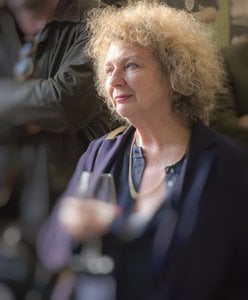
Marlene Dumas
1953 - , Sudáfrica
Datos clave
- Artistic Movement Or Style: Romanticismo
- Artists Who Influenced This Artist:
- Egon Schiele
- Francis Bacon
- Country: Sudáfrica
- Date Of Birth: 1953
- Full Name: Marlene Dumas
- Nationality: Sudafricana
- Notable Artworks:
- Jule-die Vrou
- Untitled (681)
- The Schoolboys
- Miss January
- Place Of Birth: Ciudad del Cabo
Artículos relacionados

Las 10 Obras Maestras al Óleo que Revolucionaron la Historia del Arte |
Descubre las 10 obras maestras al óleo que transformaron la historia del arte. Explora Van Gogh, Monet, Da Vinci y más. Reproducciones de alta calidad para decorar tu hogar con elegancia. ¡Encuentra tu obra favorita en !

The Enduring Legacy of Oil on Canvas: Technique, History & Aesthetic Impact
Explore the rich history & techniques of oil painting – from Renaissance masters to Impressionism. Discover pigments, layering methods, and why this timeless medium endures. Expert insights for artists & art enthusiasts.

El Óleo sobre Lienzo: Historia, Técnica y la Persistencia de un Medio Artístico Atemporal
Descubre la historia y técnica del óleo sobre lienzo. Explora reproducciones fieles hechas a mano, personalización artística y consejos de expertos con ArtsDot. ¡Colecciona arte con confianza!

The Enduring Power of Painting: A Historical & Contemporary Exploration of Form and Emotion
Explore the rich history & enduring techniques of oil painting with ArtsDot. Discover masterpieces, learn about art collecting, and find authentic handmade reproductions crafted by skilled artists.

El Legado Duradero del Óleo sobre Lienzo: Técnica, Historia y Práctica Contemporánea
Descubre la historia y técnica del óleo sobre lienzo. Explora reproducciones fieles hechas a mano, personalización artística y consejos de expertos con .