


 Vista previa
 Compartir
 Compartir
 Ver detalles
 Guía
Guía

 Descargar
 Ver artículos similares
 Radiografía
 Presentación de diapositivas
 Estadísticas
Untitled
 Acrylic
- WallArt
- Abstract Expressionism
 1945
1945 109.0 x 79.0 cm
 Leer más
La obra de arte que se muestra en esta página está protegida por las leyes de propiedad intelectual, lo que significa que no podemos crear ni vender legalmente una reproducción idéntica. Esta protección se hace cumplir en virtud de acuerdos internacionales como el Convenio de Berna y por las leyes nacionales, incluidas aquellas establecidas por el Ley de derechos de autor de los EE. UU. - Título 17.
Este método cumple plenamente con las normativas de derechos de autor, ya que no implica la copia ni la duplicación de la obra protegida. En su lugar, se trata de una reinterpretación creativa: una nueva pintura influenciada por la original, pero que no es idéntica a ella.
Giclée / Impresión de arte
Impresiones giclée o en lienzo de calidad de museo con producción rápida y opciones de acabado flexibles. ( Encargar reproducción pintada a mano Ver versión en imagen digital)




P118B €10

P118H €10

P118W €10

P438Z €10

P508JH €12

P508YH €12

P805H €10

P805Z €10

P919BZ €10

P919G €10

P919XJ €10

P959ZH €10

P968JZ €12

W106C €8

W218G €10

W218JH €8

W218Y €10

W307PJ €10

W316G €10

W316PJ €8

W316Y €10

W398PJ €8

W4111J €10

W500HY €15

W500JH €15

W692G €12

W849H €8

W940BG €15

W953PJ €8




Elija entre nuestros tamaños predefinidos que respetan las proporciones originales de la obra.

Introduzca el ancho y el alto que necesite para adaptarse a su marco o pared. Una impresión solo puede recortarse, nunca hacerse más grande que la imagen original, por lo que un tamaño con una forma distinta perderá parte de la obra. Le enviaremos una maqueta digital para su aprobación antes de realizar cualquier impresión. La imagen que se muestra en esta página no refleja el recorte real; solo la maqueta lo hace.
Envío a todo el mundo () en 2 semanas en lugar de las 4/5 semanas estándar. (21 octubre)

Envío exprés gratuito a todo el mundo

Lienzo de lino de alta calidad

Seguro de envío completo

Garantía de reembolso de impuestos aduaneros

Garantía de fidelidad cromática exacta

Política de devolución de 100 días (solo por defectos)

Garantía de devolución del 100% del dinero

Oferta por volumen
 La opción de vidrio solo está disponible en tamaños inferiores a 110 cm.

Untitled
Giclée / Impresión de arte
Tamaño de la reproducción
-


Precio total
€ 54
A Meditation on Stillness: Exploring Mark Rothko’s Untitled Canvas
The painting, simply titled “Untitled,” embodies the core tenets of Abstract Expressionism and stands as a testament to Mark Rothko's unwavering pursuit of profound emotional resonance. Executed in 1945, this canvas—measuring 109 x 79 cm—immediately captivates with its deceptively serene expanse of deep blue pigment. Yet beneath the surface tranquility lies an intricate tapestry of artistic considerations that speaks volumes about Rothko’s intellectual and spiritual convictions.- Subject Matter: While seemingly devoid of recognizable figures, the painting isn't entirely devoid of narrative. Two individuals occupy the space—one seated at a table, delicately holding a fork, while the other stands behind him, observing. These figures serve as anchors for our gaze, grounding us in a domestic tableau that subtly contrasts with the overwhelming expanse of color.
- Style: Rothko’s approach transcends mere representation; he abandons illusionistic technique altogether, opting instead for what he termed “color field painting.” This method prioritizes pure pigment—in this case, shades of blue—applied in horizontal rectangles that bleed into one another, creating an immersive experience for the viewer.
- Technique: Rothko achieved his signature effect through a meticulous layering process. He applied thin washes of color onto successive canvases, building up layers to achieve maximum luminosity and depth. This technique ensured that each rectangle radiated its own internal glow, fostering a sense of meditative contemplation.
Historical Context: The Crucible of Postwar Anxiety
The painting’s creation coincided with the aftermath of World War II—a period marked by immense upheaval and disillusionment across Europe. Rothko was deeply affected by the horrors he witnessed during his travels in Europe following the war, experiences that fueled his preoccupation with themes of trauma and loss. Color field painting emerged as a reaction against the dominant artistic conventions of the time – Surrealism and Cubism – offering an alternative path toward conveying emotion and confronting existential anxieties. It represented a deliberate rejection of intellectual abstraction in favor of visceral experience.Symbolism: Beyond Hue—A Language of Feeling
The pervasive blue hue is not merely decorative; it functions as a powerful symbol representing melancholy, introspection, and spiritual contemplation. Rothko himself described his paintings as “windows onto eternity,” suggesting that they aspire to transcend the limitations of earthly concerns and invite viewers into a realm of profound emotional truth. The placement of the figures—seated and standing—further reinforces this symbolic dimension. They embody duality – stillness versus movement – highlighting the inherent tension between inner reflection and engagement with the external world.Emotional Impact: An Invitation to Silence
Ultimately, “Untitled” compels us to confront our own emotional responses. Rothko’s masterful manipulation of color creates an atmosphere of quiet contemplation, encouraging viewers to surrender to the painting's immersive quality. It is a piece designed not for immediate gratification but rather for sustained engagement—a reminder that art can communicate truths beyond words and offer solace in moments of uncertainty. The reproduction offered by ArtsDot.com allows collectors and interior designers alike to experience this evocative artwork firsthand, capturing its essence with exceptional fidelity.Preguntas y respuestas
¿Qué lugar ocupa "Untitled" dentro de la obra de Mark Rothko?
"Untitled" comparte con otras obras de Mark Rothko su estilo Abstract Expressionism y los temas recurrentes: color theory impact, human condition reflection, jewish heritage roots, minimalist exploration, rothko’s signature style.
¿Está "Untitled" disponible como una impresión de bellas artes?
"Untitled" está disponible como una impresión de bellas artes sobre lienzo de algodón o papel de lienzo de archivo. Los pedidos se realizan en su página Impresión de bellas artes, en el tamaño de su elección.
¿Es "Untitled" de Mark Rothko una obra de tonos claros u oscuros?
En cuanto a la luminosidad percibida, "Untitled" de Mark Rothko es brilliant.


Biografía del artista
vida temprana e influencias
Mark Rothko (Marcus Rothkowitz), un reconocido artista estadounidense, nació el 25 de septiembre de 1903 en Dvinsk, Letonia. Su familia emigró a los Estados Unidos cuando tenía solo diez años. Este cambio cultural influyó más tarde en su estilo artístico.evolución artística
La obra temprana de Rothko se caracterizó por el **expresionismo abstracto**, un estilo que enfatizaba el proceso de creación del arte más que el producto final. Sus pinturas, como No. 18 (1948) y Untitled (1948), mostraban su enfoque único del color y la forma.- **Campo de color:** El uso de campos de color rectangulares audaces por Rothko, a menudo en marcado contraste entre sí, creó una sensación de profundidad y emoción.
- **Estructura orgánica:** Sus pinturas parecían respirar vida, como si los colores fueran entidades vivientes.
obras notables y exposiciones
- No. 10 (1950), una pintura que marcó un cambio significativo en el estilo de Rothko, ahora forma parte de la colección del Museo de Arte Moderno.
- Las murales de Seagram, una serie de pinturas encargadas para el restaurante Four Seasons, mostraron la capacidad de Rothko para adaptar su estilo a diferentes entornos.
- No. 3 (1950), una pintura que ejemplifica el uso de campos de color rectangulares audaces por Rothko.
vida tardía y legado
La vida de Rothko estuvo marcada por las luchas con la salud mental y un matrimonio tumultuoso. Falleció el 25 de febrero de 1970, a los 66 años. A pesar de sus desafíos, Rothko dejó una huella imborrable en el mundo del arte. Ocre y rojo sobre rojo (campo de color), una pintura que muestra el enfoque único del color de Rothko, se puede encontrar en la colección ArtsDot.com. La página de Wikipedia de Mark Rothko proporciona más información sobre su vida y estilo artístico.
Mark Rothko
1903 - 1970 , Letonia
Datos clave
- Artistas Que Influyeron:
- Edward Hopper
- Pablo Picasso
- Fecha De Muerte: 25 de febrero de 1970
- Fecha De Nacimiento: 25 de septiembre de 1903
- Influencia En Artistas:
- Minimalismo
- Arte contemporáneo
- Lugar De Nacimiento: Daugavpils, Letonia
- Movimiento Artístico: Expresionismo Abstracto
- Nacionalidad: Estadounidense
- Nombre Completo: Mark Rothko (Marcus Rothkowitz)
- Obras Notables:
- No. 18 (1948)
- No. 10 (1950)
- Murales Seagram
- No. 3 (1950)
Artículos relacionados

Expresionismo Abstracto: 10 Obras Maestras que Transformaron el Arte |
Descubre las 10 obras maestras del Expresionismo Abstracto: Pollock, Rothko y más. Explora la historia, técnica y significado de estos lienzos icónicos. Reproducciones de arte exclusivas en .

Serene Blue Backgrounds: Discover Soulful Art to Transform Your Space with Timeless Elegance
Transform your home with soulful blue art. From serene Monet impressions to modern textured sculptures, discover curated masterpieces designed to inspire calm. Explore expert art consultations and bespoke hand-painted reproductions to create your personal sanctuary.

Las 10 Obras Maestras del Azul Pizarra: Arte, Historia y Decoración
Descubre las 10 pinturas más famosas dominadas por el azul pizarra. Explora la historia, técnica y belleza de Monet, Van Gogh y otros maestros. Encuentra reproducciones de arte exclusivas para decorar tu hogar en .

Kandinsky: Las 25 Obras Maestras del Pionero de la Abstracción | ArtsDot
Descubre las 25 obras maestras de Wassily Kandinsky, pionero del arte abstracto. Explora su expresionismo, composiciones únicas y la historia detrás de cada cuadro. Reproducciones de alta calidad para decorar tu hogar con arte moderno en ArtsDot.com.
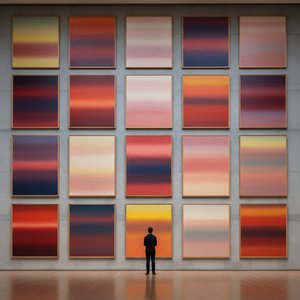
Mark Rothko: Las 25 Obras Maestras que Definen la Expresión Abstracta | ArtsDot
Descubre las 25 obras maestras de Mark Rothko, pionero del expresionismo abstracto. Explora la historia, el significado y los colores vibrantes que definen su arte emocional. Reproducciones de alta calidad en ArtsDot.com.


