Vista previa
 Compartir
 Compartir
 Ver detalles

 Descargar
 Ver similares
 Radiografía
 Presentación de diapositivas
Untitled 49

 Leer más
Giclée / Impresión de arte
Impresiones giclée o en lienzo de calidad de museo con producción rápida y opciones de acabado flexibles. ( Encargar reproducción pintada a mano Comprar descarga)




P118B $10

P118H $10

P118W $10

P438Z $10

P508JH $12

P508YH $12

P805H $10

P805Z $10

P919BZ $10

P919G $10

P919XJ $10

P959ZH $10

P968JZ $12

W106C $8

W218G $10

W218JH $8

W218Y $10

W307PJ $10

W316G $10

W316PJ $8

W316Y $10

W398PJ $8

W4111J $10

W500HY $15

W500JH $15

W692G $12

W849H $8

W940BG $15

W953PJ $8




Elija entre nuestros tamaños predefinidos que respetan las proporciones originales de la obra.

Puede introducir sus propias dimensiones para adaptarse a un marco o espacio específico. Si el tamaño seleccionado no coincide con las proporciones de la imagen original, recortaremos la obra de arte o extenderemos la imagen con un borde con efecto espejo o de color sólido. Se enviará una maqueta digital para su aprobación antes de que comience la producción.
Tenga en cuenta que la vista previa en pantalla no refleja el recorte o la extensión real. Solo la maqueta mostrará con precisión la composición final.
Aunque existen tamaños personalizados, recomendamos seleccionar una dimensión de la lista predefinida para preservar las proporciones originales.
Envío a todo el mundo () en 2 semanas en lugar de las 4/5 semanas estándar. (16 agosto)

Envío exprés gratuito a todo el mundo

Lienzo de lino de alta calidad

Seguro de envío completo

Garantía de reembolso de aranceles aduaneros

Garantía de fidelidad cromática exacta

Política de devolución de 60 días (solo por defectos)

Garantía de devolución del 100% del dinero

Oferta por volumen
 La opción de vidrio solo está disponible en tamaños inferiores a 110 cm.

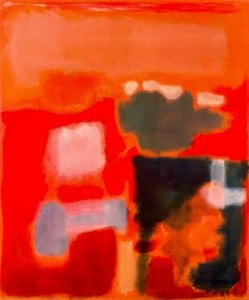
Untitled 49
Giclée / Impresión de arte
Tamaño de la reproducción
-


Precio total
$ 62
Descripción de la pieza
A Meditation on Darkness and Light: Exploring Mark Rothko’s Untitled No. 49
The Rothko Chapel stands as an architectural testament to faith and artistic vision, nestled in Houston's Montrose neighborhood. Founded by John and Dominique de Menil, its octagonal form—a Greek cross inscribed within it—was deliberately designed to foster contemplation alongside the chapel’s centerpiece: fourteen canvases by Mark Rothko. Among these monumental works, Untitled No. 49 commands attention with its deceptively simple yet profoundly resonant composition. It's a painting that invites viewers into an introspective dialogue about existence itself.The Style and Technique of Color Field Painting
Rothko’s approach to abstraction is radically different from representational art. He eschewed detailed depictions of the external world, opting instead for “color field” painting—a technique pioneered by artists like Barnett Newman and Josef Albers. Instead of outlining forms or applying brushstrokes to create textures, Rothko applied thin washes of pigment directly onto canvas, layering colors horizontally in overlapping rectangles. This method prioritizes color itself as the primary expressive element, minimizing visual distractions and allowing viewers to experience pure chromatic sensation. In Untitled No. 49, Rothko employs a masterful blend of deep reds and muted oranges—colors that evoke feelings of warmth, passion, and vulnerability simultaneously. The subtle gradations within each rectangle create an illusion of depth and luminosity, transforming the canvas into a luminous expanse.Historical Context: Postwar Existentialism
Rothko’s work emerged from the aftermath of World War II, coinciding with a surge in existentialist philosophy championed by thinkers like Jean-Paul Sartre and Albert Camus. These philosophers questioned traditional notions of morality and purpose, emphasizing individual freedom and responsibility in confronting the absurdity of life. Rothko's paintings reflect this intellectual climate, conveying a sense of profound melancholy yet also hinting at an underlying spiritual yearning. The chapel’s setting—a deliberately austere space designed to minimize sensory input—further underscores the contemplative mood inherent in Rothko’s art. It was intended as a refuge from the anxieties of the modern world, offering solace through beauty and silence.Symbolism Within Color
The colors chosen by Rothko are not merely aesthetically pleasing; they carry symbolic weight rooted in Jungian psychology. Red represents primal energy—passion, desire, and vitality—but also embodies vulnerability and suffering. Orange symbolizes optimism and warmth, yet it can also convey feelings of melancholy and longing. The overlapping rectangles themselves symbolize the interconnectedness of consciousness and the merging of opposites—the duality inherent in human experience. Rothko deliberately avoids creating recognizable images or narratives; instead, he seeks to evoke emotional responses directly from the viewer’s subconscious mind. Untitled No. 49 is a powerful reminder that art can transcend language and communicate profound truths about the human condition.Emotional Impact: A Journey Into Inner Space
Ultimately, Untitled No. 49 succeeds in transporting viewers into an inner space of contemplation and emotional resonance. The luminous rectangles bathe the viewer in color, inviting them to surrender to the experience without judgment. There’s no need for intellectual analysis; simply allow yourself to be drawn into the painting's hypnotic rhythm. As you gaze upon its depths, consider the questions posed by existentialism—the nature of consciousness, the meaning of life, and the inevitability of death. Rothko’s masterpiece doesn’t offer answers but rather encourages a deeper engagement with these fundamental concerns, leaving viewers transformed by its quiet majesty.Obras relacionadas


Biografía del artista
vida temprana e influencias
Mark Rothko (Marcus Rothkowitz), un reconocido artista estadounidense, nació el 25 de septiembre de 1903 en Dvinsk, Letonia. Su familia emigró a los Estados Unidos cuando tenía solo diez años. Este cambio cultural influyó más tarde en su estilo artístico.evolución artística
La obra temprana de Rothko se caracterizó por el **expresionismo abstracto**, un estilo que enfatizaba el proceso de creación del arte más que el producto final. Sus pinturas, como No. 18 (1948) y Untitled (1948), mostraban su enfoque único del color y la forma.- **Campo de color:** El uso de campos de color rectangulares audaces por Rothko, a menudo en marcado contraste entre sí, creó una sensación de profundidad y emoción.
- **Estructura orgánica:** Sus pinturas parecían respirar vida, como si los colores fueran entidades vivientes.
obras notables y exposiciones
- No. 10 (1950), una pintura que marcó un cambio significativo en el estilo de Rothko, ahora forma parte de la colección del Museo de Arte Moderno.
- Las murales de Seagram, una serie de pinturas encargadas para el restaurante Four Seasons, mostraron la capacidad de Rothko para adaptar su estilo a diferentes entornos.
- No. 3 (1950), una pintura que ejemplifica el uso de campos de color rectangulares audaces por Rothko.
vida tardía y legado
La vida de Rothko estuvo marcada por las luchas con la salud mental y un matrimonio tumultuoso. Falleció el 25 de febrero de 1970, a los 66 años. A pesar de sus desafíos, Rothko dejó una huella imborrable en el mundo del arte. Ocre y rojo sobre rojo (campo de color), una pintura que muestra el enfoque único del color de Rothko, se puede encontrar en la colección ArtsDot.com. La página de Wikipedia de Mark Rothko proporciona más información sobre su vida y estilo artístico.
Mark Rothko
1903 - 1970 , Letonia
Datos clave
- Artistas Que Influyeron:
- Edward Hopper
- Pablo Picasso
- Fecha De Muerte: 25 de febrero de 1970
- Fecha De Nacimiento: 25 de septiembre de 1903
- Influencia En Artistas:
- Minimalismo
- Arte contemporáneo
- Lugar De Nacimiento: Daugavpils, Letonia
- Movimiento Artístico: Expresionismo Abstracto
- Nacionalidad: Estadounidense
- Nombre Completo: Mark Rothko (Marcus Rothkowitz)
- Obras Notables:
- No. 18 (1948)
- No. 10 (1950)
- Murales Seagram
- No. 3 (1950)
Artículos relacionados
Mark Rothko: Las 25 Obras Maestras que Definen la Expresión Abstracta | ArtsDot
Descubre las 25 obras maestras de Mark Rothko, pionero del expresionismo abstracto. Explora la historia, el significado y los colores vibrantes que definen su arte emocional. Reproducciones de alta calidad en ArtsDot.com.

The Sublimity of Color: Exploring the Emotional Landscapes of Mark Rothko's Abstract Expressionism
Explore the profound emotional depth of Mark Rothko's abstract expressionism. Discover the history, techniques & lasting impact of this pivotal Color Field painter. Expert insights for collectors and art enthusiasts.

Abstracción Geométrica: 10 Obras Maestras que Transformaron el Arte Moderno | ArtsDot
Descubre las 10 obras maestras de la abstracción geométrica que revolucionaron el arte moderno. Explora a Mondrian, Malevich y Kandinsky en ArtsDot.com. Reproducciones de alta calidad para tu hogar.

Expresionismo Abstracto: 10 Obras Maestras que Transformaron el Arte |
Descubre las 10 obras maestras del Expresionismo Abstracto: Pollock, Rothko y más. Explora la historia, técnica y significado de estos lienzos icónicos. Reproducciones de arte exclusivas en .

Kandinsky: Las 25 Obras Maestras del Pionero de la Abstracción | ArtsDot
Descubre las 25 obras maestras de Wassily Kandinsky, pionero del arte abstracto. Explora su expresionismo, composiciones únicas y la historia detrás de cada cuadro. Reproducciones de alta calidad para decorar tu hogar con arte moderno en ArtsDot.com.