Vista previa
 Compartir
 Compartir
 Ver detalles

 Descargar
 Ver similares
 Radiografía
 Presentación de diapositivas
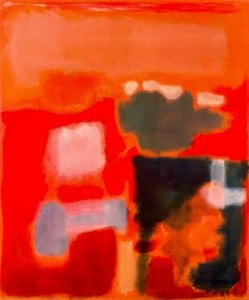
Untitled (15)


 Leer más
Giclée / Impresión de arte
Impresiones giclée o en lienzo de calidad de museo con producción rápida y opciones de acabado flexibles. ( Encargar reproducción pintada a mano Comprar descarga)




P118B $10

P118H $10

P118W $10

P438Z $10

P508JH $12

P508YH $12

P805H $10

P805Z $10

P919BZ $10

P919G $10

P919XJ $10

P959ZH $10

P968JZ $12

W106C $8

W218G $10

W218JH $8

W218Y $10

W307PJ $10

W316G $10

W316PJ $8

W316Y $10

W398PJ $8

W4111J $10

W500HY $15

W500JH $15

W692G $12

W849H $8

W940BG $15

W953PJ $8




Elija entre nuestros tamaños predefinidos que respetan las proporciones originales de la obra.

Puede introducir sus propias dimensiones para adaptarse a un marco o espacio específico. Si el tamaño seleccionado no coincide con las proporciones de la imagen original, recortaremos la obra de arte o extenderemos la imagen con un borde con efecto espejo o de color sólido. Se enviará una maqueta digital para su aprobación antes de que comience la producción.
Tenga en cuenta que la vista previa en pantalla no refleja el recorte o la extensión real. Solo la maqueta mostrará con precisión la composición final.
Aunque existen tamaños personalizados, recomendamos seleccionar una dimensión de la lista predefinida para preservar las proporciones originales.
Envío a todo el mundo () en 2 semanas en lugar de las 4/5 semanas estándar. (18 agosto)

Envío exprés gratuito a todo el mundo

Lienzo de lino de alta calidad

Seguro de envío completo

Garantía de reembolso de aranceles aduaneros

Garantía de fidelidad cromática exacta

Política de devolución de 60 días (solo por defectos)

Garantía de devolución del 100% del dinero

Oferta por volumen
 La opción de vidrio solo está disponible en tamaños inferiores a 110 cm.

Untitled (15)
Giclée / Impresión de arte
Tamaño de la reproducción
-


Precio total
$ 62
Descripción de la pieza
Mark Rothko’s Surreal Toilet: An Exploration of Existential Anxiety
The Rothko Chapel stands as a testament to John and Dominique de Menil's vision—a sanctuary dedicated not merely to prayer but to contemplation, profoundly influenced by the artist Mark Rothko himself. Among its fourteen monumental canvases hangs “Untitled (15),” a painting that transcends simple representation, delving into the unsettling depths of existential anxiety through a deceptively familiar motif: the toilet. This seemingly banal object becomes a vehicle for Rothko’s signature style—large blocks of color layered upon each other—a technique born from his desire to capture not visual perception but emotional experience. Rothko's formative years instilled in him a sensitivity to human suffering, rooted in the anxieties of a Jewish family navigating the turbulent landscape of Tsarist Russia and its aftermath. The trauma of Jacob Rothkowitz’s untimely death during their emigration to Portland, Oregon, solidified this preoccupation with loss and shaped his artistic worldview. This early experience fueled a lifelong quest for meaning—a pursuit reflected in his exploration of color as a conduit for conveying profound psychological states. “Untitled (15)” embodies this ethos perfectly; the dominant hues—deep reds and oranges—are not intended to depict literal reality but rather to evoke feelings of warmth, passion, and perhaps even vulnerability. The painting’s composition is deliberately sparse, mirroring Rothko's belief that art should strip away extraneous detail to reveal its core essence. The toilet itself is rendered as a fragmented assemblage of disparate materials—a chair, an umbrella, and a bowl—creating a jarring juxtaposition that underscores the absurdity of existence. This technique aligns with Rothko’s broader artistic philosophy: he sought to create paintings that would resonate with viewers on an intuitive level, bypassing rational thought altogether. The inclusion of two small circles atop the toilet adds another layer of complexity, hinting at notions of cosmic order and suggesting that even seemingly insignificant objects can hold symbolic significance. Historically, Rothko's work emerged from the mid-1940s onwards, coinciding with a period of intense artistic experimentation following World War II. Artists like Picasso and Matisse had shattered traditional conventions, paving the way for new approaches to representation—one championed by Rothko himself. He rejected illusionistic painting altogether, opting instead for color fields that prioritized emotional impact over visual accuracy. This stylistic choice reflects the broader cultural preoccupation with psychology during this era, as artists sought to express inner states through formal elements rather than narrative content. Ultimately, “Untitled (15)” compels viewers to confront uncomfortable truths about mortality and impermanence. The painting’s unsettling stillness—the absence of discernible action or gesture—mirrors Rothko's contemplation of the human condition. It invites us to consider what lies beneath the surface of our daily lives, prompting a dialogue between intellect and emotion. Like all of Rothko’s paintings, “Untitled (15)” serves as an enduring reminder that art can transcend mere aesthetics, achieving instead a profound connection with the viewer's innermost self—a connection rooted in shared experience and illuminated by the transformative power of color.


Biografía del artista
vida temprana e influencias
Mark Rothko (Marcus Rothkowitz), un reconocido artista estadounidense, nació el 25 de septiembre de 1903 en Dvinsk, Letonia. Su familia emigró a los Estados Unidos cuando tenía solo diez años. Este cambio cultural influyó más tarde en su estilo artístico.evolución artística
La obra temprana de Rothko se caracterizó por el **expresionismo abstracto**, un estilo que enfatizaba el proceso de creación del arte más que el producto final. Sus pinturas, como No. 18 (1948) y Untitled (1948), mostraban su enfoque único del color y la forma.- **Campo de color:** El uso de campos de color rectangulares audaces por Rothko, a menudo en marcado contraste entre sí, creó una sensación de profundidad y emoción.
- **Estructura orgánica:** Sus pinturas parecían respirar vida, como si los colores fueran entidades vivientes.
obras notables y exposiciones
- No. 10 (1950), una pintura que marcó un cambio significativo en el estilo de Rothko, ahora forma parte de la colección del Museo de Arte Moderno.
- Las murales de Seagram, una serie de pinturas encargadas para el restaurante Four Seasons, mostraron la capacidad de Rothko para adaptar su estilo a diferentes entornos.
- No. 3 (1950), una pintura que ejemplifica el uso de campos de color rectangulares audaces por Rothko.
vida tardía y legado
La vida de Rothko estuvo marcada por las luchas con la salud mental y un matrimonio tumultuoso. Falleció el 25 de febrero de 1970, a los 66 años. A pesar de sus desafíos, Rothko dejó una huella imborrable en el mundo del arte. Ocre y rojo sobre rojo (campo de color), una pintura que muestra el enfoque único del color de Rothko, se puede encontrar en la colección ArtsDot.com. La página de Wikipedia de Mark Rothko proporciona más información sobre su vida y estilo artístico.
Mark Rothko
1903 - 1970 , Letonia
Datos clave
- Artistas Que Influyeron:
- Edward Hopper
- Pablo Picasso
- Fecha De Muerte: 25 de febrero de 1970
- Fecha De Nacimiento: 25 de septiembre de 1903
- Influencia En Artistas:
- Minimalismo
- Arte contemporáneo
- Lugar De Nacimiento: Daugavpils, Letonia
- Movimiento Artístico: Expresionismo Abstracto
- Nacionalidad: Estadounidense
- Nombre Completo: Mark Rothko (Marcus Rothkowitz)
- Obras Notables:
- No. 18 (1948)
- No. 10 (1950)
- Murales Seagram
- No. 3 (1950)
Artículos relacionados
Mark Rothko: Las 25 Obras Maestras que Definen la Expresión Abstracta | ArtsDot
Descubre las 25 obras maestras de Mark Rothko, pionero del expresionismo abstracto. Explora la historia, el significado y los colores vibrantes que definen su arte emocional. Reproducciones de alta calidad en ArtsDot.com.

The Sublimity of Color: Exploring the Emotional Landscapes of Mark Rothko's Abstract Expressionism
Explore the profound emotional depth of Mark Rothko's abstract expressionism. Discover the history, techniques & lasting impact of this pivotal Color Field painter. Expert insights for collectors and art enthusiasts.

Expresionismo Abstracto: 10 Obras Maestras que Transformaron el Arte |
Descubre las 10 obras maestras del Expresionismo Abstracto: Pollock, Rothko y más. Explora la historia, técnica y significado de estos lienzos icónicos. Reproducciones de arte exclusivas en .

Atmósferas Cromáticas: Explorando los Fundamentos Filosóficos de la Pintura Color Field
Descubra la profunda filosofía y técnica detrás de la pintura Color Field. Explore las obras maestras de Rothko, Newman, Frankenthaler y más. Guía experta para coleccionistas.

Más Allá de la Representación: Explorando el Paisaje Emocional del Expresionismo Abstracto
Descubra el Expresionismo Abstracto en profundidad. Análisis de artistas clave como Rothko y Richter, su contexto histórico e inversión en arte. Guía experta para coleccionistas.