Vista previa
 Compartir
 Compartir
 Ver detalles

 Descargar
 Ver similares
 Radiografía
 Presentación de diapositivas
No.19

 Leer más
Giclée / Impresión de arte
Impresiones giclée o en lienzo de calidad de museo con producción rápida y opciones de acabado flexibles. ( Cambiar a pintura hecha a mano Cambiar a imagen)




P118B $10

P118H $10

P118W $10

P438Z $10

P508JH $12

P508YH $12

P805H $10

P805Z $10

P919BZ $10

P919G $10

P919XJ $10

P959ZH $10

P968JZ $12

W106C $8

W218G $10

W218JH $8

W218Y $10

W307PJ $10

W316G $10

W316PJ $8

W316Y $10

W398PJ $8

W4111J $10

W500HY $15

W500JH $15

W692G $12

W849H $8

W940BG $15

W953PJ $8




Elija entre nuestros tamaños predefinidos que respetan las proporciones originales de la obra.

Puede introducir sus propias dimensiones para adaptarse a un marco o espacio específico. Si el tamaño seleccionado no coincide con las proporciones de la imagen original, recortaremos la obra de arte o extenderemos la imagen con un borde con efecto espejo o de color sólido. Se enviará una maqueta digital para su aprobación antes de que comience la producción.
Tenga en cuenta que la vista previa en pantalla no refleja el recorte o la extensión real. Solo la maqueta mostrará con precisión la composición final.
Aunque existen tamaños personalizados, recomendamos seleccionar una dimensión de la lista predefinida para preservar las proporciones originales.
Envío a todo el mundo () en 2 semanas en lugar de las 4/5 semanas estándar. (9 agosto)

Envío exprés gratuito a todo el mundo

Lienzo de lino de alta calidad

Seguro de envío completo

Garantía de reembolso de aranceles aduaneros

Garantía de fidelidad cromática exacta

Política de devolución de 60 días (solo por defectos)

Garantía de devolución del 100% del dinero

Oferta por volumen
 La opción de vidrio solo está disponible en tamaños inferiores a 110 cm.

No.19
Giclée / Impresión de arte
Tamaño de la reproducción
-


Precio total
$ 62
Descripción de la pieza
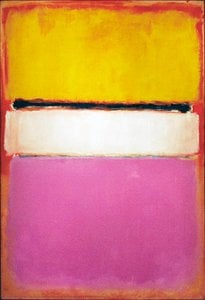
A Symphony of Color and Emotion: Exploring Mark Rothko’s No. 37/No. 19
Mark Rothko's "No. 37/No. 19," painted in 1958, stands as a cornerstone of Abstract Expressionism—a movement that irrevocably altered the landscape of American art and continues to captivate audiences worldwide. More than just pigment on canvas, this monumental work embodies a profound exploration of human experience, inviting viewers into a meditative contemplation of color and form. Its enduring appeal lies in its ability to bypass intellectual analysis and speak directly to the subconscious mind.The Genesis of Color: Style and Technique
Rothko’s distinctive approach—often described as “condensation”—rejects representational imagery altogether. Instead, he employs large rectangular blocks of color layered upon one another, creating an illusion of depth and luminosity that defies conventional perspective. The palette is deliberately restrained yet intensely expressive; in this particular instance, Rothko utilizes shades of slate blue and brown overlaid with plum hues. This careful layering technique—applying thin washes of pigment followed by thicker coats—allows for subtle gradations of tone and color, resulting in a velvety surface texture that enhances the visual impact. The artist meticulously controls every brushstroke, prioritizing tonal harmony over precise delineation.Roots of Reflection: Historical Context
The late 1950s witnessed an explosion of artistic experimentation following World War II, fueled by anxieties about nuclear annihilation and a burgeoning interest in psychoanalysis. Artists like Rothko sought to grapple with existential questions—the nature of consciousness, the fear of death, and the search for spiritual solace—through non-figurative art forms. Influenced by Zen Buddhism and Eastern philosophy, Rothko aimed to evoke feelings rather than convey narratives. He believed that color could communicate emotion in a way that words simply couldn’t, bypassing rational thought and tapping into primal instincts. The painting emerged during a period of significant cultural upheaval, mirroring the broader anxieties of the time while simultaneously offering a refuge from its pressures.Layers of Meaning: Symbolism and Interpretation
While Rothko famously resisted biographical interpretations of his work—declaring that he wanted “nothing to say”—scholars have identified recurring motifs within his paintings. The rectangular blocks of color are often seen as representing spiritual realms or inner landscapes, symbolizing the vastness of consciousness and the interconnectedness of existence. The subtle variations in hue and tone contribute to a sense of ambiguity and mystery, encouraging viewers to engage in personal reflection. Critics argue that Rothko’s canvases invite contemplation on themes of grief, loss, and transcendence—experiences deeply rooted in his own life history as a refugee from Latvia.An Emotional Resonance: Impact and Legacy
“No. 37/No. 19” continues to resonate powerfully with audiences today, demonstrating the enduring power of abstract art to provoke emotion and inspire contemplation. Its monumental scale commands attention, immersing viewers in a sea of color that washes over their senses. The painting’s simplicity—characterized by its minimal visual elements—forces us to confront our own perceptions and emotions without distraction. Rothko's influence extends far beyond Abstract Expressionism, shaping subsequent generations of artists who embraced similar techniques for conveying profound psychological states. It remains a testament to the transformative potential of art as a vehicle for exploring the complexities of human experience.Obras relacionadas


Biografía del artista
vida temprana e influencias
Mark Rothko (Marcus Rothkowitz), un reconocido artista estadounidense, nació el 25 de septiembre de 1903 en Dvinsk, Letonia. Su familia emigró a los Estados Unidos cuando tenía solo diez años. Este cambio cultural influyó más tarde en su estilo artístico.evolución artística
La obra temprana de Rothko se caracterizó por el **expresionismo abstracto**, un estilo que enfatizaba el proceso de creación del arte más que el producto final. Sus pinturas, como No. 18 (1948) y Untitled (1948), mostraban su enfoque único del color y la forma.- **Campo de color:** El uso de campos de color rectangulares audaces por Rothko, a menudo en marcado contraste entre sí, creó una sensación de profundidad y emoción.
- **Estructura orgánica:** Sus pinturas parecían respirar vida, como si los colores fueran entidades vivientes.
obras notables y exposiciones
- No. 10 (1950), una pintura que marcó un cambio significativo en el estilo de Rothko, ahora forma parte de la colección del Museo de Arte Moderno.
- Las murales de Seagram, una serie de pinturas encargadas para el restaurante Four Seasons, mostraron la capacidad de Rothko para adaptar su estilo a diferentes entornos.
- No. 3 (1950), una pintura que ejemplifica el uso de campos de color rectangulares audaces por Rothko.
vida tardía y legado
La vida de Rothko estuvo marcada por las luchas con la salud mental y un matrimonio tumultuoso. Falleció el 25 de febrero de 1970, a los 66 años. A pesar de sus desafíos, Rothko dejó una huella imborrable en el mundo del arte. Ocre y rojo sobre rojo (campo de color), una pintura que muestra el enfoque único del color de Rothko, se puede encontrar en la colección ArtsDot.com. La página de Wikipedia de Mark Rothko proporciona más información sobre su vida y estilo artístico.
Mark Rothko
1903 - 1970 , Letonia
Datos clave
- Artistas Que Influyeron:
- Edward Hopper
- Pablo Picasso
- Fecha De Muerte: 25 de febrero de 1970
- Fecha De Nacimiento: 25 de septiembre de 1903
- Influencia En Artistas:
- Minimalismo
- Arte contemporáneo
- Lugar De Nacimiento: Daugavpils, Letonia
- Movimiento Artístico: Expresionismo Abstracto
- Nacionalidad: Estadounidense
- Nombre Completo: Mark Rothko (Marcus Rothkowitz)
- Obras Notables:
- No. 18 (1948)
- No. 10 (1950)
- Murales Seagram
- No. 3 (1950)
Artículos relacionados

La Evolución del Arte Abstracto: Una Guía para Coleccionistas sobre su Impacto y Valor de Inversión
Descubre la evolución del arte abstracto y su valor como inversión. Guía experta para coleccionistas: artistas clave, tendencias de mercado y consejos prácticos.

The Sublimity of Color: Exploring the Emotional Landscapes of Mark Rothko's Abstract Expressionism
Explore the profound emotional depth of Mark Rothko's abstract expressionism. Discover the history, techniques & lasting impact of this pivotal Color Field painter. Expert insights for collectors and art enthusiasts.

Beatrice Parsons: A Study in Abstract Expressionism & the Poetics of Color Field Painting
Explore the captivating world of Beatrice Parsons, a pioneering British abstract expressionist. Discover her journey from garden watercolors to evocative color field paintings and learn about her place within art history.

Carl Newman: Exploring Abstraction's Spiritual Resonance Through Color Field Painting
Explore the profound spiritual resonance of Color Field Painting with insights into Rothko, Newman & Still. Discover the techniques & legacy of this influential abstract art movement.

Paul Jenkins: Abstraction, Color Field Painting & the Pursuit of Lyrical Expression
Explore the captivating world of Paul Jenkins, a pioneer of abstract expressionism & color field painting. Discover his unique ‘Phenomena’ series and investment potential for art collectors. Expert insights at ArtsDot.