- Inicio

- Impresión en lienzo
- Mark Rothko
- No. 10

 Encargar reproducción Comprar imagen en alta resolución
 Enviar
 Compartir
 Detalles
 Añadir a favoritos

 Descargar
 Similares
 Radiografía
 Presentación de diapositivas
No. 10

 Ver más
Giclée / Impresión de arte
Impresión giclée o en lienzo de calidad de museo con producción rápida y opciones de acabado flexibles.




P118B $10

P118H $10

P118W $10

P438Z $10

P508JH $12

P508YH $12

P805H $10

P805Z $10

P919BZ $10

P919G $10

P919XJ $10

P959ZH $10

P968JZ $12

W106C $8

W218G $10

W218JH $8

W218Y $10

W307PJ $10

W316G $10

W316PJ $8

W316Y $10

W398PJ $8

W4111J $10

W500HY $15

W500JH $15

W692G $12

W849H $8

W940BG $15

W953PJ $8




Elija entre nuestros tamaños predefinidos que respetan las proporciones originales de la obra.

Puede introducir sus propias dimensiones para adaptarse a un marco o espacio específico. Si el tamaño seleccionado no coincide con las proporciones de la imagen original, recortaremos la obra de arte o extenderemos la imagen con un borde con efecto espejo o de color sólido. Se enviará una maqueta digital para su aprobación antes de que comience la producción.
Tenga en cuenta que la vista previa en pantalla no refleja el recorte o la extensión real. Solo la maqueta mostrará con precisión la composición final.
Aunque existen tamaños personalizados, recomendamos seleccionar una dimensión de la lista predefinida para preservar las proporciones originales.
Entrega mundial () en 2 semanas en lugar de las 4/5 semanas estándar. (21 julio)

Envío exprés gratuito a todo el mundo

Lienzo de lino de alta calidad

Seguro de envío total

Garantía de reembolso de impuestos aduaneros

Garantía de fidelidad de color

Política de devolución de 60 días (solo por defectos)

Garantía de devolución del 100% del dinero

Descuento por pedido múltiple
 La opción de vidrio solo está disponible en tamaños inferiores a 110 cm.

No. 10
Giclée / Impresión de arte
Tamaño de la reproducción
-


Precio total final
-
Descripción de la obra
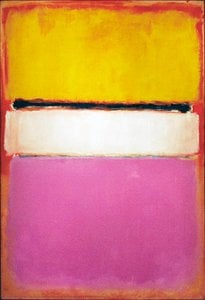
A Meditation on Color and Absence
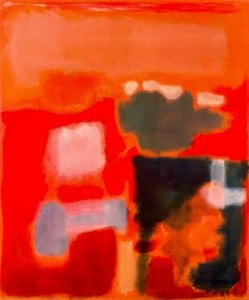
The painting “No. 19,” by Mark Rothko, transcends mere visual representation; it’s an invitation into contemplation—a deliberate stripping away of form to reveal the profound power of color itself. Captured in a photograph that focuses intently on its surface, the artwork presents a deceptively simple composition: a rectangular expanse of deep indigo overlaid with two horizontal bands of luminous yellow. These bands aren't sharply delineated; rather, they bleed into each other, creating an ethereal haze that softens their edges and imbues them with an almost palpable warmth against the cool backdrop.- Style: Rothko’s signature style—known as Color Field Painting—rejects traditional depiction of subjects. Instead, he employs large canvases filled with blocks of color to evoke emotion and psychological states. This approach prioritizes feeling over intellectual analysis.
- Technique: The artist achieved this effect through a meticulous layering process. Rothko applied thin washes of pigment onto the canvas, building up multiple layers to create depth and luminosity. He utilized glazing techniques—applying translucent layers of color over opaque ones—to subtly modulate hues and enhance the overall tonal richness.
Historical Context: Abstract Expressionism and Its Roots
“No. 19” emerged during the height of Abstract Expressionism—a movement that revolutionized painting in postwar America. Artists like Jackson Pollock, Willem de Kooning, and Franz Kline sought to liberate art from representational constraints, prioritizing spontaneous gesture and emotional intensity. Rothko’s work stands apart from its contemporaries in its deliberate avoidance of recognizable imagery; however, it nonetheless embodies the spirit of rebellion against academic conventions that characterized earlier artistic traditions. The influence of Eastern Orthodox Christianity—Rothko's Jewish heritage—is evident in his use of color as a vehicle for spiritual contemplation.Symbolism and Emotional Resonance
The seemingly unassuming hues of indigo and yellow hold considerable symbolic weight. Indigo, often associated with spirituality and introspection, represents the darkness within which illumination emerges. The yellow bands symbolize hope, warmth, and transcendence—a visual counterpoint to the pervasive melancholy conveyed by the dominant color. Rothko’s intention wasn't to depict a specific scene or narrative but rather to create an immersive experience for the viewer—to provoke feelings of awe, sorrow, and ultimately, acceptance.Interior Design Considerations
“No. 19” would lend itself beautifully to interior spaces seeking tranquility and contemplation. Its muted palette harmonizes with natural light, creating a serene atmosphere that encourages reflection. When reproduced on high-quality canvas or paper, the artwork retains its luminosity and tonal subtlety—capturing the essence of Rothko’s artistic vision for discerning collectors and designers alike.Obras similares


Biografía del artista
vida temprana e influencias
Mark Rothko (Marcus Rothkowitz), un reconocido artista estadounidense, nació el 25 de septiembre de 1903 en Dvinsk, Letonia. Su familia emigró a los Estados Unidos cuando tenía solo diez años. Este cambio cultural influyó más tarde en su estilo artístico.evolución artística
La obra temprana de Rothko se caracterizó por el **expresionismo abstracto**, un estilo que enfatizaba el proceso de creación del arte más que el producto final. Sus pinturas, como No. 18 (1948) y Untitled (1948), mostraban su enfoque único del color y la forma.- **Campo de color:** El uso de campos de color rectangulares audaces por Rothko, a menudo en marcado contraste entre sí, creó una sensación de profundidad y emoción.
- **Estructura orgánica:** Sus pinturas parecían respirar vida, como si los colores fueran entidades vivientes.
obras notables y exposiciones
- No. 10 (1950), una pintura que marcó un cambio significativo en el estilo de Rothko, ahora forma parte de la colección del Museo de Arte Moderno.
- Las murales de Seagram, una serie de pinturas encargadas para el restaurante Four Seasons, mostraron la capacidad de Rothko para adaptar su estilo a diferentes entornos.
- No. 3 (1950), una pintura que ejemplifica el uso de campos de color rectangulares audaces por Rothko.
vida tardía y legado
La vida de Rothko estuvo marcada por las luchas con la salud mental y un matrimonio tumultuoso. Falleció el 25 de febrero de 1970, a los 66 años. A pesar de sus desafíos, Rothko dejó una huella imborrable en el mundo del arte. Ocre y rojo sobre rojo (campo de color), una pintura que muestra el enfoque único del color de Rothko, se puede encontrar en la colección ArtsDot.com. La página de Wikipedia de Mark Rothko proporciona más información sobre su vida y estilo artístico.
Mark Rothko
1903 - 1970 , Letonia
Datos clave
- Artistas Que Influyeron:
- Edward Hopper
- Pablo Picasso
- Fecha De Muerte: 25 de febrero de 1970
- Fecha De Nacimiento: 25 de septiembre de 1903
- Influencia En Artistas:
- Minimalismo
- Arte contemporáneo
- Lugar De Nacimiento: Daugavpils, Letonia
- Movimiento Artístico: Expresionismo Abstracto
- Nacionalidad: Estadounidense
- Nombre Completo: Mark Rothko (Marcus Rothkowitz)
- Obras Notables:
- No. 18 (1948)
- No. 10 (1950)
- Murales Seagram
- No. 3 (1950)
Artículos relacionados

The Sublimity of Color: Exploring the Emotional Landscapes of Mark Rothko's Abstract Expressionism
Explore the profound emotional depth of Mark Rothko's abstract expressionism. Discover the history, techniques & lasting impact of this pivotal Color Field painter. Expert insights for collectors and art enthusiasts.
Beatrice Parsons: A Study in Abstract Expressionism & the Poetics of Color Field Painting
Explore the captivating world of Beatrice Parsons, a pioneering British abstract expressionist. Discover her journey from garden watercolors to evocative color field paintings and learn about her place within art history.

The Language of Shapes: Exploring Geometric Forms in Art History & Contemporary Practice
Explore the evolution of geometric abstraction in art history, from Cubism to contemporary masters like Kandinsky & Rothko. Expert insights for discerning collectors and enthusiasts.

Mark Gertler: Modern Anxiety & British Vorticism – A Life Painted with Context
Explore the life & art of Mark Gertler, a key figure in British Vorticism. Discover his poignant portraits, Bloomsbury connections, and enduring legacy. Expert analysis & high-quality reproductions at ArtsDot.

Las 10 Obras Maestras en Acrílico que Revolucionaron el Arte |
Descubre las 10 obras maestras en acrílico que revolucionaron el arte moderno. Explora la historia de Pollock, Rothko y Warhol, sus técnicas y paletas vibrantes. Encuentra reproducciones de alta calidad e inspírate para decorar tu hogar con .