

 Vista previa
 Compartir
 Compartir
 Ver detalles

 Descargar
 Ver similares
 Radiografía
 Presentación de diapositivas
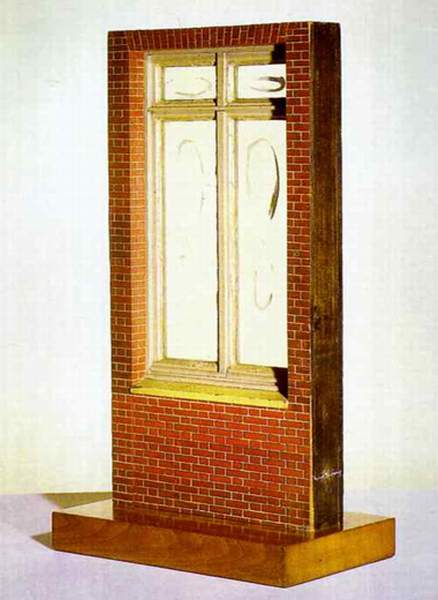
The Brawl at Austerlitz
 Mixed Media
- WallArt
- Surrealism
 1921
1921- Modern
 62.0 x 28.0 cm
 Leer más
Reproducción al óleo hecha a mano
Óleo sobre lienzo pintado a mano en el tamaño y marco de su elección, realizado por encargo por nuestros artistas. ( Pedir impresión Comprar descarga)




P118B $10

P118H $10

P118W $10

P438Z $10

P508JH $12

P508YH $12

P805H $10

P805Z $10

P919BZ $10

P919G $10

P919XJ $10

P959ZH $10

P968JZ $12

W106C $8

W218G $10

W218JH $8

W218Y $10

W307PJ $10

W316G $10

W316PJ $8

W316Y $10

W398PJ $8

W4111J $10

W500HY $15

W500JH $15

W692G $12

W849H $8

W940BG $15

W953PJ $8




Elija entre nuestros tamaños predefinidos que respetan las proporciones originales de la obra.

Puede ingresar sus propias dimensiones para adaptarse a un marco o espacio específico. Si el tamaño seleccionado no coincide con las proporciones de la imagen original, recortaremos la obra o extenderemos la pintura con elementos adicionales pintados a mano. Se le enviará una maqueta digital para su aprobación antes de comenzar la producción.
Tenga en cuenta que la vista previa en pantalla no refleja el recorte o la extensión reales. Solo la maqueta mostrará con precisión la composición final.
Si bien existen tamaños personalizados, recomendamos seleccionar una dimensión de la lista predefinida para preservar las proporciones originales.
Tras realizar el pedido, el equipo de ArtsDot.com enviará un correo electrónico al cliente para solicitar instrucciones y proporcionarle una vista previa del boceto.
Envío a todo el mundo () en 3-4 semanas en lugar de las 5 semanas estándar. (16 agosto). Sin comprometer la calidad.

Envío exprés gratuito a todo el mundo

Lienzo de lino de alta calidad

Seguro de envío completo

Garantía de reembolso de aranceles aduaneros

Garantía de fidelidad cromática exacta

Política de devolución de 60 días (solo por defectos)

Garantía de devolución del 100% del dinero

Oferta por volumen
 La opción de vidrio solo está disponible en tamaños inferiores a 110 cm.

The Brawl at Austerlitz
Técnica de reproducción
Tamaño de la reproducción
-


Precio total
$ 263
Descripción de la obra
A Fractured Vision: Marcel Duchamp’s ‘The Brawl at Austerlitz’
Marcel Duchamp's 1921 work, 'The Brawl at Austerlitz,' is not merely a depiction of a historical event – the Napoleonic defeat at the Battle of Austerlitz – but a meticulously constructed meditation on perception, reality, and the very nature of artistic representation. This unsettling piece, measuring 62 x 28 cm, immediately confronts the viewer with its surreal juxtaposition: a window embedded within a brick wall, creating an illusion of depth that simultaneously draws us in and distances us from the scene. Constructed primarily from cardboard or paperboard overlaid onto painted surfaces, alongside paint, glue, and adhesive, the artwork embodies Duchamp’s revolutionary spirit – a deliberate rejection of traditional artistic conventions in favor of intellectual provocation.
Deconstructing Representation: Style and Technique
Duchamp's approach aligns with the burgeoning Surrealist movement, yet possesses a distinctly Cubist sensibility. The fragmented window frame, rendered with sharp, defined lines that are deliberately blurred through layering, echoes the fractured perspectives championed by Picasso and Braque. Geometric shapes – rectangles defining both the window and the brickwork – dominate the composition, creating a sense of controlled chaos. However, it’s the deliberate disruption of depth and perspective that truly elevates this work. The flat, even lighting further contributes to the two-dimensional effect, emphasizing the constructed nature of the image and challenging the viewer's expectations of traditional representation. This technique isn't about faithfully recreating Austerlitz; it’s about dismantling the idea of faithful reproduction itself.
Symbolism and Context: A Window into Disorientation
'The Brawl at Austerlitz' operates on multiple symbolic levels. The window, a recurring motif in Duchamp’s oeuvre, represents observation, confinement, and perhaps even transition or passage – themes central to his broader philosophical concerns. The ‘brawl’ itself, rendered with an ambiguous violence, suggests the inherent instability of power and the chaotic nature of historical events. Constructed during a period of profound social and political upheaval following World War I, the artwork reflects the widespread disillusionment and questioning of established values that characterized the Dada movement – of which Duchamp was a key figure. The work’s unsettling atmosphere evokes a sense of unease and disorientation, mirroring the psychological impact of war and the breakdown of traditional certainties.
A Legacy of Provocation
Duchamp's ‘The Brawl at Austerlitz’ stands as a testament to his radical vision. Born in 1887, Duchamp’s career was defined by his relentless questioning of artistic norms and his insistence on the primacy of ideas over aesthetics. This piece, with its deliberate distortions and unsettling composition, embodies that spirit perfectly. It's a powerful reminder that art can be more than just beautiful; it can be profoundly thought-provoking, challenging our assumptions about reality and inviting us to reconsider what constitutes ‘art’ itself. A hand-painted reproduction offers an intimate connection to this seminal work of modern art, allowing you to experience Duchamp’s revolutionary vision firsthand.
Obras relacionadas





Biografía del artista
vida temprana y comienzos artísticos
marcel duchamp, un pintor, escultor, jugador de ajedrez y escritor francés-estadounidense, nació el 28 de julio de 1887 en Blainville-Crevon, Normandía, Francia. Su familia, conocida por sus inclinaciones culturales, fomentó su temprano interés por el arte. El viaje artístico de Duchamp comenzó con estilos postimpresionistas, experimentando con técnicas y temas clásicos.evolución artística y obras notables
- La obra de marcel duchamp está asociada con el cubismo, el arte conceptual y el dadaísmo, aunque fue cauteloso sobre su uso del término dada.
- Una de sus obras más famosas, Fountain (1917), una urinaria firmada 'r. mutt', es un ejemplo de sus readymades, desafiando la noción de lo que constituye el arte.
- Retrato de jugadores de ajedrez (1911), una obra cubista, muestra su interés por el juego y sus aspectos estratégicos.
- A ser mirado (desde el otro lado del vidrio) con un ojo, cerca de, casi una hora (1945) es otra obra notable, que refleja sus inclinaciones dadaístas.
influencia y legado
El impacto de Duchamp en el arte del siglo XX es inmenso. Él, junto con Pablo Picasso y Henri Matisse, definió las artes plásticas a principios del siglo XX. Su enfoque conceptual del arte ha influido en generaciones de artistas.- Explore más obras de Duchamp en ArtsDot: Marcel Duchamp | obras de arte
- Descubra el Museo Ohara de Arte, Japón, que presenta colecciones de arte occidental, incluidas algunas influenciadas por el estilo de Duchamp: Museo Ohara de Arte, Japón
- Aprenda más sobre Lettrism, un movimiento influenciado por el dadaísmo y el surrealismo, del que Duchamp formó parte: Movimiento artístico Lettrism
conclusión
El enigmático enfoque de arte de Marcel Duchamp, que combina elementos conceptuales y dadaístas, ha dejado una marca indeleble en el mundo del arte. Su legado continúa inspirando a los artistas e influyendo en el desarrollo del arte moderno y contemporáneo. Franck Scurti, un artista francés conocido por su arte conceptual, sigue los pasos de Duchamp, ampliando el legado de este pionero artista.
Marcel Duchamp
1887 - 1968 , Francia
Datos clave
- Artistas Influenciados Por: ['Franck Scurti']
- Fecha De Muerte: 1968
- Fecha De Nacimiento: 28 de julio de 1887
- Lugar De Nacimiento: Blainville-sur-Mer, Francia
- Movimiento Artístico:
- Cubismo
- Dadaísmo
- Arte conceptual
- Nacionalidad: Francesa-estadounidense
- Nombre Completo: Marcel Duchamp
- Obras Notables:
- Fuente
- Retrato de jugadores de ajedrez
- La novia desnudada
- L.H.O.O.Q.
- Boîte-en-valise
Artículos relacionados
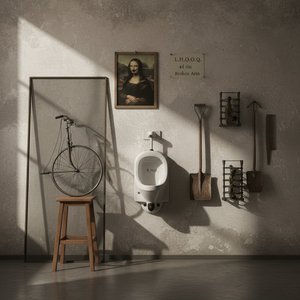
Marcel Duchamp: Challenging Conventions & Redefining Art in the 20th Century
Explore the revolutionary art of Marcel Duchamp! Discover how his Dadaist readymades challenged artistic conventions & redefined modern art. A deep dive into 'Fountain', conceptual shifts, and his lasting impact.

Deconstruyendo la Realidad: El Impacto Revolucionario del Cubismo en el Arte del Siglo XX
Descubre el revolucionario impacto del Cubismo en el arte del siglo XX. Análisis profundo de Picasso, Braque y otros maestros. Guía experta para coleccionistas e inversores.

Deconstruyendo la Realidad: El Impacto Revolucionario del Cubismo en el Arte del Siglo XX
Descubra el revolucionario impacto del Cubismo en el arte del siglo XX. Análisis profundo de Picasso, Braque y su legado. Guía para coleccionistas apasionados e inversores.

Dadá: La Revolución Antiartística del Siglo XX y su Legado Estético
Descubra el dadaísmo: su origen radical, artistas clave como Arp y Richter, y su impacto en el arte moderno. Análisis experto de este movimiento revolucionario y su legado estético.

Jean Dominique Antony Metzinger: Pioneering Cubism & the Evolution of Abstract Form
Explore the life & work of Jean Metzinger, a pivotal Cubist painter and theorist. Discover his innovations in proto-Cubism, 'Du Cubisme,' and Crystal Cubism – a journey through modern art's evolution.



