Vista previa
 Compartir
 Compartir
 Ver detalles

 Descargar
 Ver similares
 Radiografía
 Presentación de diapositivas
Chauvel


 Leer más
Giclée / Impresión de arte
Impresiones giclée o en lienzo de calidad de museo con producción rápida y opciones de acabado flexibles. ( Comprar pintura hecha a mano Comprar imagen)




P118B $10

P118H $10

P118W $10

P438Z $10

P508JH $12

P508YH $12

P805H $10

P805Z $10

P919BZ $10

P919G $10

P919XJ $10

P959ZH $10

P968JZ $12

W106C $8

W218G $10

W218JH $8

W218Y $10

W307PJ $10

W316G $10

W316PJ $8

W316Y $10

W398PJ $8

W4111J $10

W500HY $15

W500JH $15

W692G $12

W849H $8

W940BG $15

W953PJ $8




Elija entre nuestros tamaños predefinidos que respetan las proporciones originales de la obra.

Puede introducir sus propias dimensiones para adaptarse a un marco o espacio específico. Si el tamaño seleccionado no coincide con las proporciones de la imagen original, recortaremos la obra de arte o extenderemos la imagen con un borde con efecto espejo o de color sólido. Se enviará una maqueta digital para su aprobación antes de que comience la producción.
Tenga en cuenta que la vista previa en pantalla no refleja el recorte o la extensión real. Solo la maqueta mostrará con precisión la composición final.
Aunque existen tamaños personalizados, recomendamos seleccionar una dimensión de la lista predefinida para preservar las proporciones originales.
Envío a todo el mundo () en 2 semanas en lugar de las 4/5 semanas estándar. (13 agosto)

Envío exprés gratuito a todo el mundo

Lienzo de lino de alta calidad

Seguro de envío completo

Garantía de reembolso de aranceles aduaneros

Garantía de fidelidad cromática exacta

Política de devolución de 60 días (solo por defectos)

Garantía de devolución del 100% del dinero

Oferta por volumen
 La opción de vidrio solo está disponible en tamaños inferiores a 110 cm.

Chauvel
Giclée / Impresión de arte
Tamaño de la reproducción
-


Precio total
$ 62
Descripción de la pieza
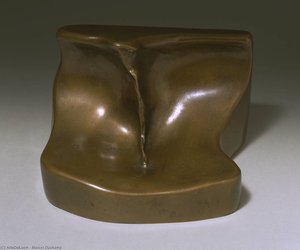
A Portrait of Quiet Rebellion: Marcel Duchamp’s Chauvel
Marcel Duchamp's "Chauvel," completed in 1910, stands as an emblem of Dadaist defiance and a pivotal moment in the evolution of portraiture. More than simply depicting a man—Henri Chauvel, a French actor—the painting embodies Duchamp’s radical reimagining of artistic conventions and his unwavering commitment to questioning established hierarchies within the art world. It's a work that continues to fascinate scholars and inspire artists alike, prompting ongoing debate about its significance and enduring power. ### Fauvist Style and Bold Color Palette The canvas is dominated by a vibrant Fauvist palette—a stylistic movement championed by André Derain and Maurice Vlaminck—characterized by unrestrained use of color divorced from naturalistic representation. Duchamp eschewed the muted tones favored by Impressionism, opting instead for hues that pulsate with energy: fiery reds, intense yellows, and deep blues dominate the background, creating a dramatic contrast against Chauvel’s pale complexion. This deliberate departure from tradition wasn't merely aesthetic; it served as a symbolic assertion of artistic freedom—a refusal to conform to accepted standards of beauty and visual accuracy. The bold colors convey an emotional intensity that transcends mere observation, inviting viewers into Chauvel’s inner world. ### Assemblage Technique: Challenging Artistic Boundaries Duchamp employed an assemblage technique—assembling disparate materials onto a canvas—marking a decisive break from traditional painting methods. He utilized a photograph of Chauvel as his primary source material, juxtaposing it with a meticulously crafted wooden panel overlaid with a thin layer of varnish. This unconventional approach deliberately undermined the notion of artistic originality, prompting Duchamp to famously declare that he had merely “brought together objects chosen at random.” By elevating commonplace materials—the photograph and the wood—to the level of art, Duchamp challenged the very definition of creativity and questioned whether an artist’s role was to faithfully reproduce reality or to actively transform it. ### Historical Context: Dada's Critique of Modernity “Chauvel” emerged during the tumultuous years of Dadaism—a nihilistic artistic movement born in Zurich in 1916—which reacted against the perceived horrors of World War I and the pervasive optimism of bourgeois culture. Dadaists rejected logic, reason, and aesthetic conventions altogether, embracing absurdity, chance, and provocation as guiding principles. Duchamp’s work aligns perfectly with Dada's ethos, serving as a scathing indictment of societal values and artistic pretensions. The painting embodies the movement’s desire to dismantle established hierarchies and expose the hypocrisy inherent in cultural institutions—a legacy that resonates powerfully even today. ### Emotional Resonance: A Portrait Beyond Representation Despite its formal innovations and intellectual provocations, “Chauvel” possesses an undeniable emotional resonance. Chauvel's gaze—direct yet enigmatic—captures a moment of quiet contemplation amidst the vibrant chaos of color. The painting invites viewers to consider not just what they see but also what lies beneath the surface—a subtle suggestion that art can transcend mere visual representation and communicate profound psychological truths. Duchamp’s masterful manipulation of color and texture contributes to this emotional impact, creating an image that lingers in the mind long after viewing—a testament to his enduring genius as a painter and thinker.Obras relacionadas


Biografía del artista
vida temprana y comienzos artísticos
marcel duchamp, un pintor, escultor, jugador de ajedrez y escritor francés-estadounidense, nació el 28 de julio de 1887 en Blainville-Crevon, Normandía, Francia. Su familia, conocida por sus inclinaciones culturales, fomentó su temprano interés por el arte. El viaje artístico de Duchamp comenzó con estilos postimpresionistas, experimentando con técnicas y temas clásicos.evolución artística y obras notables
- La obra de marcel duchamp está asociada con el cubismo, el arte conceptual y el dadaísmo, aunque fue cauteloso sobre su uso del término dada.
- Una de sus obras más famosas, Fountain (1917), una urinaria firmada 'r. mutt', es un ejemplo de sus readymades, desafiando la noción de lo que constituye el arte.
- Retrato de jugadores de ajedrez (1911), una obra cubista, muestra su interés por el juego y sus aspectos estratégicos.
- A ser mirado (desde el otro lado del vidrio) con un ojo, cerca de, casi una hora (1945) es otra obra notable, que refleja sus inclinaciones dadaístas.
influencia y legado
El impacto de Duchamp en el arte del siglo XX es inmenso. Él, junto con Pablo Picasso y Henri Matisse, definió las artes plásticas a principios del siglo XX. Su enfoque conceptual del arte ha influido en generaciones de artistas.- Explore más obras de Duchamp en ArtsDot: Marcel Duchamp | obras de arte
- Descubra el Museo Ohara de Arte, Japón, que presenta colecciones de arte occidental, incluidas algunas influenciadas por el estilo de Duchamp: Museo Ohara de Arte, Japón
- Aprenda más sobre Lettrism, un movimiento influenciado por el dadaísmo y el surrealismo, del que Duchamp formó parte: Movimiento artístico Lettrism
conclusión
El enigmático enfoque de arte de Marcel Duchamp, que combina elementos conceptuales y dadaístas, ha dejado una marca indeleble en el mundo del arte. Su legado continúa inspirando a los artistas e influyendo en el desarrollo del arte moderno y contemporáneo. Franck Scurti, un artista francés conocido por su arte conceptual, sigue los pasos de Duchamp, ampliando el legado de este pionero artista.
Marcel Duchamp
1887 - 1968 , Francia
Datos clave
- Artistas Influenciados Por: ['Franck Scurti']
- Fecha De Muerte: 1968
- Fecha De Nacimiento: 28 de julio de 1887
- Lugar De Nacimiento: Blainville-sur-Mer, Francia
- Movimiento Artístico:
- Cubismo
- Dadaísmo
- Arte conceptual
- Nacionalidad: Francesa-estadounidense
- Nombre Completo: Marcel Duchamp
- Obras Notables:
- Fuente
- Retrato de jugadores de ajedrez
- La novia desnudada
- L.H.O.O.Q.
- Boîte-en-valise
Artículos relacionados
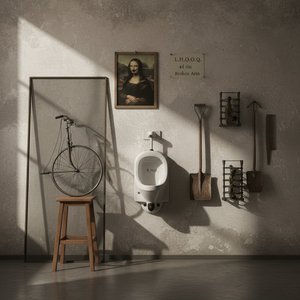
Marcel Duchamp: Challenging Conventions & Redefining Art in the 20th Century
Explore the revolutionary art of Marcel Duchamp! Discover how his Dadaist readymades challenged artistic conventions & redefined modern art. A deep dive into 'Fountain', conceptual shifts, and his lasting impact.
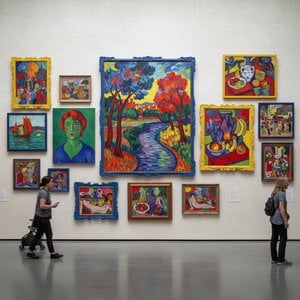
Fauvismo: 10 Obras Maestras que Revolucionaron la Pintura |
Descubre las 10 obras maestras del Fauvismo con Matisse, Derain y Vlaminck. Explora la historia, el color y la audacia de este movimiento artístico revolucionario. Reproducciones de arte exclusivas en .
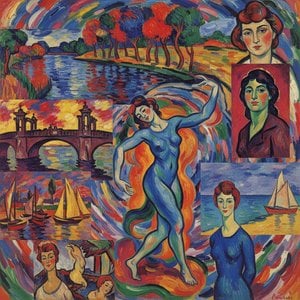
Fauvismo Expresionista: 10 Obras Maestras que Transformaron el Arte | ArtsDot
Descubre las 10 obras maestras del fauvismo que revolucionaron el arte. Explora la pasión, el color y la expresión de Matisse, Derain y más. Reproducciones de alta calidad en ArtsDot.com.

La Furia del Color: Explorando el Uso Revolucionario de la Forma y el Tono en el Fauvismo
Descubre el fauvismo: su historia, artistas clave como Matisse y Derain, características únicas y legado en el arte moderno. Guía experta para coleccionistas y amantes del color.

Marcel Dyf: A Study in Belgian Surrealist Landscape and the Poetics of Memory
Explore the captivating landscapes of Marcel Dyf (1899-1985). Discover his Impressionist roots, subtle Surrealism, and enduring legacy. Learn about his life, art, and value with ArtsDot.