


 Vista previa
 Compartir
 Compartir
 Ver detalles
 Guía
Guía

 Descargar
 Ver artículos similares
 Radiografía
 Presentación de diapositivas
 Estadísticas
Reflections


 Leer más
Giclée / Impresión de arte
Impresiones giclée o en lienzo de calidad de museo con producción rápida y opciones de acabado flexibles. ( Encargar reproducción pintada a mano Ver versión en imagen digital)




P118B €10

P118H €10

P118W €10

P438Z €10

P508JH €12

P508YH €12

P805H €10

P805Z €10

P919BZ €10

P919G €10

P919XJ €10

P959ZH €10

P968JZ €12

W106C €8

W218G €10

W218JH €8

W218Y €10

W307PJ €10

W316G €10

W316PJ €8

W316Y €10

W398PJ €8

W4111J €10

W500HY €15

W500JH €15

W692G €12

W849H €8

W940BG €15

W953PJ €8




Elija entre nuestros tamaños predefinidos que respetan las proporciones originales de la obra.

Puede introducir sus propias dimensiones para adaptarse a un marco o espacio específico. Si el tamaño seleccionado no coincide con las proporciones de la imagen original, recortaremos la obra de arte o extenderemos la imagen con un borde con efecto espejo o de color sólido. Se enviará una maqueta digital para su aprobación antes de que comience la producción.
Tenga en cuenta que la vista previa en pantalla no refleja el recorte o la extensión real. Solo la maqueta mostrará con precisión la composición final.
Aunque existen tamaños personalizados, recomendamos seleccionar una dimensión de la lista predefinida para preservar las proporciones originales.
Envío a todo el mundo () en 2 semanas en lugar de las 4/5 semanas estándar. (3 octubre)

Envío exprés gratuito a todo el mundo

Lienzo de lino de alta calidad

Seguro de envío completo

Garantía de reembolso de impuestos aduaneros

Garantía de fidelidad cromática exacta

Política de devolución de 100 días (solo por defectos)

Garantía de devolución del 100% del dinero

Oferta por volumen
 La opción de vidrio solo está disponible en tamaños inferiores a 110 cm.

Reflections
Giclée / Impresión de arte
Tamaño de la reproducción
-


Precio total
€ 53
Man Ray's Reflections: A Surrealist Dialogue Between Light and Form
Man Ray’s “Reflections,” painted in 1931, stands as a testament to the burgeoning surrealist movement’s fascination with exploring subconscious landscapes and challenging conventional perceptions of reality. Created during a period marked by profound artistic experimentation—fueled by Dadaism's rejection of logic and reason—the painting embodies Ray’s signature approach: meticulous observation combined with deliberate distortion.
The artwork depicts a solitary figure positioned before a wall adorned with intricate geometric patterns. These patterns aren’t merely decorative; they serve as conduits for visual metaphors, mirroring the complexities of human experience. The artist skillfully employs chiaroscuro—the dramatic interplay between light and shadow—to sculpt the form of the subject, emphasizing its stillness and vulnerability against the assertive backdrop.
- Style: Surrealism – Ray’s work aligns with the movement's core tenets of dreamlike imagery and irrational juxtapositions.
- Technique: Oil on Canvas – Ray favored oil paints for their ability to capture subtle tonal variations and create a rich textural surface, reflecting his dedication to realism within an unreal context.
- Historical Context: The painting emerged from the aftermath of World War I, mirroring the anxieties and disillusionment prevalent in European intellectual circles. Dadaism’s rebellious spirit directly influenced Ray's artistic vision.
Beyond its formal qualities, “Reflections” resonates with deeper symbolic meanings. The wall represents societal constraints—the barriers that impede individual freedom—while the figure embodies introspection and contemplation. Ray invites viewers to consider how perception shapes reality, prompting a dialogue between conscious awareness and unconscious desire.
The painting’s muted palette contributes to its contemplative mood, fostering a sense of quiet solitude. Its understated elegance speaks volumes about Ray's mastery of artistic expression—a celebration of beauty found within the realm of dreams and shadows. “Reflections” remains an enduring emblem of surrealist artistry and continues to inspire admiration for its profound psychological depth.
Exploring Man Ray’s Dadaist Roots
Man Ray’s artistic journey began amidst the turbulent backdrop of Dadaism, a movement born from the horrors of World War I. Marcel Duchamp's provocative proposition—the “ready-made”—challenged established notions of art and authorship, urging artists to question traditional hierarchies.
This influence is palpable in Ray’s early sculptures, notably “The Gift,” where he repurposed a flatiron with tacks – an everyday object elevated into an artistic statement. This act embodies Dadaism's core ethos: embracing chance, absurdity, and rejecting bourgeois values. It signaled a decisive break from academic conventions.
Ray’s exploration of photography mirrored this rebellious spirit. He meticulously documented the world around him, but not with a desire for objective representation; rather, he sought to capture fleeting moments of emotion and sensation—transforming images into conduits for subconscious thought.
Man Ray's Cinematic Vision
Ray’s artistic pursuits extended beyond painting and sculpture. He ventured into filmmaking, collaborating with directors like Jean Renoir and Luis Buñuel on groundbreaking projects that pushed the boundaries of cinematic storytelling. His films often incorporated surrealist techniques—dreamlike sequences, illogical narratives—reflecting his unwavering commitment to artistic experimentation.
His work as a portraitist and fashion photographer solidified his reputation as an innovator of visual language. Ray skillfully manipulated light and composition to create images that captivated audiences and conveyed profound emotional resonance. He remains celebrated for his ability to transform ordinary subjects into extraordinary expressions of art.
Preguntas y respuestas
¿Es "Reflections" de Man Ray una pintura, un dibujo o un grabado?
En el catálogo, "Reflections" de Man Ray está clasificado como WallArt. La categoría ayuda a encontrar obras similares.
¿Cómo se combinan el contraste y la armonía en "Reflections"?
La composición cromática de "Reflections" de Man Ray combina un contraste Statement con una armonía Balanced Harmony.
¿Dónde puedo comprar una imagen digital de "Reflections" de Man Ray?
Para obtener un archivo digital de "Reflections" de Man Ray, solicite descarga de una imagen digital en alta resolución en esta página.
¿Dónde puedo comprar una reproducción pintada a mano de "Reflections" de Man Ray?
Las copias pintadas a mano de "Reflections" de Man Ray se venden en este sitio web: una reproducción al óleo pintada a mano sobre lienzo de lino, las cuales pueden solicitarse desde esta página.
¿Cuántas personas ven "Reflections"?
La página Estadísticas de "Reflections" de Man Ray presenta las estadísticas de visitas públicas: visitas mensuales de esta obra, una comparación con las obras más vistas del artista y el origen de sus visitantes.
¿Dónde puedo comprar una lámina de "Reflections" de Man Ray?
"Reflections" está disponible como una impresión de bellas artes sobre lienzo de algodón o papel de lienzo de archivo. Los pedidos se realizan en esta página, en el tamaño de su elección.
¿A qué artista se le atribuye "Reflections"?
"Reflections" fue creada por Man Ray. La información en esta página describe la obra original de Man Ray.
Obras relacionadas


Biografía del artista
Una vida iluminada por las sombras
Emmanuel Radnitzky, conocido en todo el mundo como Man Ray, fue un espíritu inquieto que desafió cualquier categorización sencilla. Nacido en 1890 en Filadelfia, hijo de padres inmigrantes judíos rusos, su viaje desde aspirante a pintor hasta pionero de la fotografía y el cine encarna el radical fermento artístico de principios del siglo XX. El cambio de “Manny” Radnitzencia al enigmático “Man Ray” dice mucho de un artista decidido a forjar una nueva identidad, una libre de convenciones. La mudanza de su familia a la ciudad de Nueva York resultó crucial, exponiéndolo a la floreciente escena modernista e instilándole una fascinación de por vida por la experimentación. Sus primeras influencias incluyeron la vanguardia europea exhibida en la galería 291 de Alfred Stieglitz y el crudo realismo de la Escuela Ashcan, una mezcla que influiría sutilmente en su obra posterior. Aunque inicialmente se dedicó a la pintura, fue la fotografía lo que finalmente se convirtió en el medio más potente de Ray para explorar los límites de la percepción y la realidad. No se limitaba a capturar imágenes; estaba inventando nuevas formas de *ver*. Sus primeros esfuerzos artísticos estuvieron marcados por el deseo de romper con los estilos tradicionales, influenciados por su contacto tanto con el modernismo europeo como con la energía pura de la vida neoyorquina. El Centro Ferrer, con sus tendencias anarquistas y su énfasis en la libre expresión, resultó particularmente formativo durante este periodo, fomentando un entorno donde la experimentación no solo era alentada, sino esperada.Dadá, Surrealismo y la búsqueda de lo imposible
La trayectoria artística de Man Ray dio un giro dramático con su encuentro con Marcel Duchamp en Nueva York alrededor de 1915. Este encuentro despertó una fascinación compartida por desafiar las nociones tradicionales del arte, conduciendo a exploraciones de los “ready-mades”: objetos manufacturados ordinarios elevados al estatus de obra de arte. Este espíritu rebelde impulsó a Ray hacia el corazón del movimiento Dada, una protesta antiarte nacida del desencanto de la Primera Guerra Mundial. En 1921, tomó la trascendental decisión de trasladarse a París, convirtiéndose en una figura central tanto en los círía Dadá como en los Surrealistas que florecían allí. Aunque nunca se alineó plenamente con ningún dogma artístico rígido, Ray abrazó la exploración surrealista de la mente inconsciente, los sueños y lo irracional. Su trabajo durante este periodo se caracteriza por una cualidad onírica, a menudo inquietante pero innegablemente cautivadora. No le interesaba representar la realidad tal como *es*, sino más bien como se *siente*: fragmentada, distorsionada e imbuida de significados ocultos. Este abrazo a lo subconsciente le permitió ir más allá de la mera representación hacia una exploración de los estados psicológicos y la resonancia emocional dentro de su arte. Sus colaboraciones con otros artistas surrealistas, como Salvador Dalí, consolidaron aún más su posición dentro del movimiento, aunque siempre mantuvo un grado de independencia en su visión artística.Rayogramas y la alquimia de la luz
Quizás Man Ray sea más celebrado por su invención del “rayograma”, una técnica fotográfica sin cámara que descubrió casi por accidente. Estas imágenes —creadas al colocar objetos directamente sobre papel sensible a la luz y exponerlos a la iluminación— dieron como resultado composiciones etéreas y fantasmales que desafiaban la representación fotográfica convencional. El rayograma no era simplemente un método alternativo; era una declaración filosófica sobre la naturaleza de la propia fotografía. Al eliminar la lente de la cámara, Ray despojó la ilusión de objetividad, revelando la subjetividad inherente al medio. No eran representaciones *de* las cosas, sino rather impresiones directas *de* ellas, impregnadas de un sentido de misterio y de otro mundo. Más allá de los rayogramas, sus retratos fotográficos —particularmente aquellos de artistas como Lee Miller (quien se convertiría tanto en su musa como en su colaboradora)— son reconocidos por sus composiciones impactantes y su profundidad psicológica. Experimentó incansablemente con la solarización, las exposiciones múltiples y la manipulación en el cuarto oscuro, empujando los límites de lo que la fotografía podía lograr. La solarización, en particular, se convirtió en una técnica distintiva, creando reversiones dramáticas de tono que añadían un elemento de extrañeza a sus retratos.Más allá de la quietud: El cine y un legado perdurable
La curiosidad artística de Man Ray se extendió más allá de las imágenes fijas hacia el reino de la cinematografía. Sus películas experimentales, como *Le Retour à la Raison* (1923) y *L'Étoile de Mer* (1928), se caracterizarte por su imaginería surrealista, técnicas de montaje poco convencionales y el rechazo a las convenciones narrativas. No eran historias contadas en un sentido tradicional; eran poemas visuales, exploraciones de la forma, el ritmo y lo subconsciente. A menudo empleaba técnicas innovadoras como la animación stop-motion y la superposición para crear efectos desorientadores y oníricos. Aunque su obra cinematográfica fue relativamente pequeña en volumen, tuvo una influencia profunda en las generaciones posteriores de cineastas de vanguardia. A lo largo de su larga carrera, Man Ray continuó desafiando las normas artísticas, negándose a ser confinado por etiquetas o expectativas. Murió en París en 1976, dejando tras de sí un cuerpo de trabajo que continúa inspirando y provocando. Su legado reside no solo en sus innovaciones técnicas, sino también en su compromiso inquebrantable con la libertad artística y su búsqueda incansable de lo imposible: un verdadero pionero que alteró para siempre nuestra percepción del arte y la realidad. Su influencia puede verse en diversas disciplinas, desde la fotografía y el cine contemporáneos hasta la moda y el diseño, demostrando el poder perdurable de su visión.Una influencia continua
- Fotografía: Las técnicas de Man Ray, particularmente el rayograma y la solarización, siguen siendo exploradas por fotógrafos contemporáneos.
- Surrealismo: Sus contribuciones consolidaron el lenguaje visual del movimiento e inspiraron a innumerables artistas de diversas disciplinas.
- Cine Experimental: Su trabajo pionero en el cine sentó las bases para las futuras generaciones de cineastas de vanguardia.
- Fotografía de Moda: El enfoque innovador de Ray hacia el retrato y la composición influyó en el desarrollo de la fotografía de moda moderna.

Man Ray
1890 - 1976 , Estados Unidos
Datos clave
- Artistic Movement Or Style: Dada, Surrealism
- Artists Or Movements Influenced By This Artist: ['Surrealism']
- Artists Who Influenced This Artist: ['Marcel Duchamp']
- Date Of Birth: August 27, 1890
- Date Of Death: November 18, 1976
- Full Name: Emmanuel Radnitzky
- Nationality: American
- Notable Artworks:
- Rayographs
- Le Retour à la Raison
- L'Étoile de Mer
- Place Of Birth: Philadelphia, USA
Artículos relacionados

Beyond the Lens: Photography's Enduring Influence on Modern & Contemporary Art
Explore photography's pivotal role in shaping modern & contemporary art. Discover key movements, influential artists like Stieglitz, and expert collecting advice from ArtsDot.
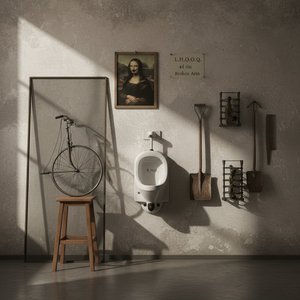
Marcel Duchamp: Challenging Conventions & Redefining Art in the 20th Century
Explore the revolutionary art of Marcel Duchamp! Discover how his Dadaist readymades challenged artistic conventions & redefined modern art. A deep dive into 'Fountain', conceptual shifts, and his lasting impact.

Pictorialismo: La Búsqueda del Alma de la Fotografía Artística – Estética, Técnicas y Legado
Descubre el Pictorialismo, un movimiento clave en la historia de la fotografía artística. Explora sus técnicas, figuras emblemáticas y su legado perdurable. Guía experta para coleccionistas y amantes del arte.
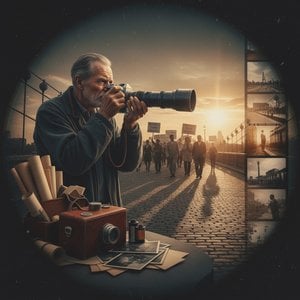
Witnessing History Through Lens & Light: Documentary Photography's Enduring Legacy
Explore the powerful history of documentary photography – from its origins to contemporary masters like Gordon Parks & W. Eugene Smith. Discover how this art form shapes our understanding of society and witness pivotal moments in time.

Monochrome Visions: Exploring the Aesthetic & Historical Significance of Black & White Photography
Explore the rich history & artistic power of black and white photography. From early techniques to iconic masters like Ansel Adams, discover why monochrome continues to captivate art lovers today. Expert insights for collectors.


