

 Ver en contexto
 Enviar
 Compartir
 Detalles
 Guía
Guía

 Descargar
 Similares
 Radiografía
 Presentación de diapositivas
 Preguntas y respuestas
 Estadísticas
Rock Warbler

 Ver más
Giclée / Impresión de arte
Impresiones giclée o en lienzo de calidad de museo con producción rápida y opciones de acabado flexibles. ( Comprar pintura hecha a mano Cambiar a imagen digital)




































Elija entre nuestros tamaños predefinidos que respetan las proporciones originales de la obra.

Introduzca el ancho y el alto que necesite para adaptarse a su marco o pared. Una impresión solo puede recortarse, nunca hacerse más grande que la imagen original, por lo que un tamaño con una forma distinta perderá parte de la obra. Le enviaremos una maqueta digital para su aprobación antes de realizar cualquier impresión. La imagen que se muestra en esta página no refleja el recorte real; solo la maqueta lo hace.
Envío a todo el mundo () en 2 semanas en lugar de las 4/5 semanas estándar. (7 noviembre)

Envío exprés gratuito a todo el mundo

Lienzo de lino de alta calidad

Seguro de envío total

Garantía de reembolso de aranceles aduaneros

Garantía de fidelidad cromática exacta

Política de devolución de 100 días (solo por defectos)

Garantía de devolución del 100% del dinero

Descuento por cantidad
 La opción de vidrio solo está disponible en tamaños inferiores a 110 cm.

Rock Warbler
Giclée / Impresión de arte
Dimensiones de la reproducción
-


Precio total final
€ 56
Obras relacionadas


Biografía del artista
Un pionero de la naturaleza australiana
Nacido en el seno de un linaje de arte científico en el Reino Unido, John William Lewin llegó a las costas de Nueva Gales del Sur en 1800, alterando para siempre el registro visual de una colonia en pleno crecimiento. Como hijo del renombrado naturalista e ilustrador William Lewin, sus propios cimientos se construyeron sobre la observación meticulosa del mundo natural. Aunque su intención original era viajar a Australia para documentar la vida entomológica para un patrón británico, su llegada marcó el inicio de una profunda transformación en su arte. Transitó desde las convencionales ilustraciones de historia natural practicadas en Inglaterra hacia la creación de imágenes profundamente auténticas que capturaban la esencia única del paisaje australiano.
La trayectoria de Lewin fue una combinación de rigor científico y evolución artística. Estableciéndose inicialmente cerca de Parramatta, aprovechó cada oportunidad para aventurarse en la naturaleza indómita, acompañando expediciones al estrecho de Bass, al río Hunter e incluso a los terrenos accidentados más allá de las Montañas Azules. Su obra no era simplemente una colección de especímenes, sino un intento de capturar la atmósfera misma del "bush". Poseía una capacidad excepcional para observar el follaje translúcido del eucalipto y las delicadas y plumosas gramíneas del interior, representándolos con una sensación de luz y vida que evitaba las asfixiantes convenciones del arte europeo.
El arte de la observación y su legado
La amplitud del repertorio de Lewin se extendió mucho más allá de las alas de las aves y los caparazones de los insectos. Fue un observador versátil que capturó la diversidad de la fauna australiana, desde el enigmático ornitorrinco hasta las vibrantes especies marinas. Su habilidad para documentar la abundancia de la colonia se manifiesta quizás de forma más impactante en su pintura al óleo, Fish catch and Dawes Point, Sydney Harbour, que se erige como la pintura al óleo sobre lienzo más antigua conocida en Australia. En esta obra, dispuso con maestría diversas especies como el pargo y el tiburón martillo, sugiriendo una abundancia que reflejaba las esperanzas del nuevo asentamiento.
Más allá de sus contribuciones científicas, Lewin desempeñó roles significativos dentro de la estructura colonial, sirviendo como forense de la ciudad y trabajando bajo el patrocinio de los gobernadores Philip Gidley King, William Blím y Lachlan Macquarie. Sus obras publicadas, tales como Prodromus Entomology e Birds of New Holland with their Natural History, permanecen como documentos históricos vitales. A través de sus delicadas acuarelas y grabados precisos, ofreció una ventana a un mundo que era, para el ojo europeo, completamente nuevo. Hoy en día, su legado perdura no solo en las colecciones de los museos, sino en los nombres mismos de las especies que continúan habitando las tierras que él documentó con tanto amor.
- Especies notables que llevan su nombre: El rascón de Lewin, el mielero de Lewin y la euploea de Lewin.
- Contribuciones artísticas clave: El primer artista profesional de la colonia de Nueva Gales del Sur y creador del primer libro ilustrado grabado e impreso en Australia.

John William Lewin
1770 - 1819 , Canadá
Datos clave
- Artistic Movement Or Style: Ilustración de historia natural
- Date Of Birth: 1770
- Date Of Death: 1819
- Full Name: John William Lewin
- Nationality: Nacido en Inglaterra
- Notable Artworks:
- Mielero de oreja amarilla
- Carricero de las rocas
- Ornitorrinco
- Pico grueso moteado
- Pesca y Dawes Point, Sydney Harbour
- Place Of Birth: Reino Unido
Artículos relacionados

Visiones Efímeras: Historia y Resonancia Emocional de la Pintura Acuarela
Descubre la fascinante historia de la acuarela, desde sus orígenes hasta su expresión contemporánea. Explora técnicas, artistas clave como Paul Klee y encuentra reproducciones de alta calidad en ArtsDot.
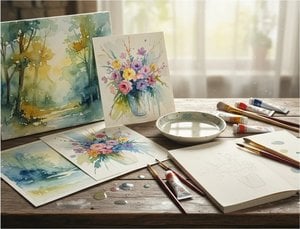
Ephemeral Visions: Exploring the Artistic Legacy & Nuances of Watercolor Painting
Explore the captivating world of watercolor painting! Discover its rich history, essential techniques, influential artists & collecting tips from art experts. A comprehensive guide for enthusiasts.

John Singer Sargent: Las 25 Obras Maestras del Retrato y la Belle Époque | ArtsDot
Descubre las 25 obras maestras de John Singer Sargent, el maestro del retrato y la Belle Époque. Explora su técnica impresionista, historias fascinantes y encuentra reproducciones de arte exclusivas para decorar tu hogar con elegancia en ArtsDot.com.

Acuarelas Legendarias: 10 Obras Maestras que Transformaron el Arte | ArtsDot
Descubre 10 acuarelas legendarias de Turner, Monet y Sargent que revolucionaron el arte. Explora la historia, técnica y belleza de estas obras maestras impresionistas y románticas. Reproducciones de museo en ArtsDot.com.

Ephemeral Visions: Exploring the Artistic Legacy & Contemporary Practice of Watercolor Painting
Explore the captivating world of watercolor painting! Discover its rich history, essential techniques, influential artists & collecting tips. A comprehensive guide for art enthusiasts from ArtsDot.