


 Vista previa
 Compartir
 Compartir
 Ver detalles
 Guía
Guía

 Descargar
 Ver artículos similares
 Radiografía
 Presentación de diapositivas
 Estadísticas
Slaughtered Pig
 Oil On Canvas
- WallArt
- Renaissance Realism
 1563
1563- Renaissance
 114.0 x 83.0 cm
 Museo Wallraf-Richartz
 Leer más
Reproducción al óleo hecha a mano
Óleo sobre lienzo pintado a mano en el tamaño y marco de su elección, realizado por encargo por nuestros artistas. ( Cambiar a formato impreso Ver versión en imagen digital)




P118B $10

P118H $10

P118W $10

P438Z $10

P508JH $12

P508YH $12

P805H $10

P805Z $10

P919BZ $10

P919G $10

P919XJ $10

P959ZH $10

P968JZ $12

W106C $8

W218G $10

W218JH $8

W218Y $10

W307PJ $10

W316G $10

W316PJ $8

W316Y $10

W398PJ $8

W4111J $10

W500HY $15

W500JH $15

W692G $12

W849H $8

W940BG $15

W953PJ $8




Elija entre nuestros tamaños predefinidos que respetan las proporciones originales de la obra.

Puede ingresar sus propias dimensiones para adaptarse a un marco o espacio específico. Si el tamaño seleccionado no coincide con las proporciones de la imagen original, recortaremos la obra o extenderemos la pintura con elementos adicionales pintados a mano. Se le enviará una maqueta digital para su aprobación antes de comenzar la producción.
Tenga en cuenta que la vista previa en pantalla no refleja el recorte o la extensión reales. Solo la maqueta mostrará con precisión la composición final.
Si bien existen tamaños personalizados, recomendamos seleccionar una dimensión de la lista predefinida para preservar las proporciones originales.
Tras realizar el pedido, el equipo de ArtsDot.com enviará un correo electrónico al cliente para solicitar instrucciones y proporcionarle una vista previa del boceto.
Envío a todo el mundo () en 3-4 semanas en lugar de las 5 semanas estándar. (25 septiembre). Sin comprometer la calidad.

Envío exprés gratuito a todo el mundo

Lienzo de lino de alta calidad

Seguro de envío completo

Garantía de reembolso de impuestos aduaneros

Garantía de fidelidad cromática exacta

Política de devolución de 100 días (solo por defectos)

Garantía de devolución del 100% del dinero

Oferta por volumen
 La opción de vidrio solo está disponible en tamaños inferiores a 110 cm.

Slaughtered Pig
Técnica de reproducción
Tamaño de la reproducción
-


Precio total
$ 263
A Visceral Encounter with Renaissance Realism
In the quiet intensity of Joachim Beuckelaer’s 1563 masterpiece, "Slaughtered Pig," the viewer is not merely an observer but a witness to a profound moment of transformation. This oil on canvas, born from the vibrant intellectual and commercial energy of Antwerp’s golden age, transcends the boundaries of a simple genre painting. At first glance, the scene presents a raw, almost unsettling depiction of butchery: a pig hangs suspended from a sturdy wooden beam, its hind legs bound, while the visceral reality of its anatomy is laid bare. The artist does not flinch from the grisly details; instead, he invites us to look closer at the exposed musculature and the glistening textures of the carcass. Through this unflinching gaze, Beuckelaer captures a pivotal moment in art history where the boundaries between the mundane and the monumental begin to blur.
The composition is a masterclass in chiaroscuro, utilizing dramatic light and deep, enveloping shadows to sculpt the figures and the central subject. As light spills across the scene, it illuminates the intricate textures of the pig's skin and the practiced movements of the two men engaged in their labor. One figure, perched precariously atop a ladder, reaches toward the animal, while another stands below, wielding his tools with a precision that speaks to years of tradition. This interplay of light and shadow does more than create depth; it imbues the scene with a somber, almost ritualistic atmosphere, turning a common agricultural task into a heavy meditation on the cycle of life and death.
The Art of the Everyday: Symbolism and Technique
Beyond the surface-level realism lies a complex web of symbolism deeply rooted in the humanist spirit of the sixteenth century. While Beuckelaer is celebrated for his mastery of market and kitchen scenes, his work often carries an undercurrent of spiritual reflection. The act of slaughter depicted here can be viewed as a symbolic representation of sacrifice, a theme that resonated powerfully within the religious landscape of the Renaissance. The vulnerability of the animal, contrasted with the methodical, almost clinical precision of the butchers, serves as a poignant reminder of mortality and the interconnectedness of all living things. It is this ability to find profound meaning within the most earthly of subjects that elevates Beuckelaer from a mere chronicler of daily life to a philosopher of the canvas.
Technically, the painting is a triumph of Flemish precision. Beuckelaer employed a meticulous layering of translucent glazes, a technique that allows light to penetrate the paint layers and reflect back, creating an inner luminosity and an extraordinary sense of tactile realism. Every element—from the rough grain of the wooden beam to the sheen of the metal instruments—is rendered with an obsessive attention to detail. This dedication to texture makes the painting feel remarkably alive, as if one could almost sense the weight of the carcass or the dampness of the rural setting. For the collector or interior designer, such a piece offers more than just visual beauty; it provides a conversation piece that commands attention through its sheer technical prowess and emotional depth.
A Timeless Addition to the Sophisticated Interior
For those seeking to curate a space that reflects depth, history, and a love for classical realism, "Slaughtered Pig" offers an unparalleled sense of character. The painting’s palette, dominated by rich earth tones, provides a grounding element that complements both traditional and contemporary decor. Its ability to evoke a sense of nostalgia and reverence makes it an ideal centerpiece for a study, a library, or a dining room where themes of sustenance and heritage are celebrated. Owning a high-quality reproduction of this work allows one to bring the spirit of the Antwerp Renaissance into the modern home, offering a window into a world where even the most unsettling realities were met with profound artistic contemplation.
Obras relacionadas


Biografía del artista
Joachim Beuckelaer: Una Vida en la Pintura Flamenca
- Nacido: Amberes, Bélgica (c. 1533)
- Fallecido: c. 1573
Joachim Beuckelaer fue un destacado pintor flamenco especializado en escenas de mercado y cocina, reconocido por sus detalladas representaciones de alimentos, utensilios domésticos y la integración de narrativas bíblicas dentro de la vida cotidiana. Su obra influyó significativamente en el desarrollo del arte bodegón no solo en Europa del Norte sino también en Italia.
Vida Temprana y Formación
Nacido en una familia de pintores, el padre de Beuckelaer, Mattheus Beuckeleer, estaba registrado como maestro en el Gremio de San Lucas de Amberes. Esta conexión familiar le proporcionó una temprana exposición al mundo del arte. Probablemente recibió su formación inicial de su padre y tío, Pieter Aertsen, un celebrado pintor conocido por ser pionero en escenas de mercado y cocina. Su hermano, Huybrecht Beuckelaer, también siguió sus pasos como pintor.
Joachim Beuckelaer se convirtió en maestro independiente dentro del Gremio de San Lucas de Amberes en 1560, marcando su entrada formal en la comunidad artística. A lo largo de su carrera, permaneció activo en Amberes, construyendo y refinando constantemente los temas establecidos por Aertsen.
Características Clave de Su Obra
- Escenas de Mercado: Las escenas de mercado de Beuckelaer se caracterizaban por su meticuloso detalle e a menudo incorporaban episodios bíblicos en el fondo. Por ejemplo, su serie "Los Cuatro Elementos" representa un bullicioso mercado de pescado con doce variedades de peces que representan a los doce discípulos de Jesús, mientras que un arco revela a Cristo caminando sobre el Mar de Galilea.
- Escenas de Cocina: Similar a Aertsen, las escenas de cocina de Beuckelaer mostraban abundantes ingredientes y entornos domésticos. Su "Escena de Cocina con Cristo en Emmaús" combina de forma única una lujosa preparación de alimentos con la historia bíblica de la aparición de Cristo a sus discípulos.
- Elementos Bodegón: Si bien es principalmente conocido por escenas de mercado y cocina, Beuckelaer también produjo bodegones que presentaban objetos cotidianos y alimentos, demostrando su dominio del detalle y el realismo. Su "Bodegón de una Cadena" (1563) se considera uno de los ejemplos fechados más tempranos de este tema.
Influencia y Legado
Las innovaciones artísticas de Beuckelaer tuvieron un impacto duradero en generaciones posteriores de pintores. Influyó significativamente a artistas como Frans Snyders, que desarrolló aún más el género de los bodegones elaborados, y Vincenzo Campi en Italia. La serie "Los Cuatro Elementos" es un testimonio de su habilidad para combinar sin problemas escenas cotidianas con simbolismo religioso, contribuyendo significativamente a la evolución tanto de la pintura de escenas de mercado/cocina como del floreciente campo del arte bodegón.
Significado Histórico
Joachim Beuckelaer jugó un papel crucial en la transición del arte flamenco de temas principalmente religiosos hacia sujetos más seculares. Sus detalladas representaciones de la vida cotidiana - mercados, cocinas y bodegones - reflejaban un creciente interés por el realismo y la observación dentro de la comunidad artística. Al integrar narrativas bíblicas en estas escenas, creó obras que eran visualmente cautivadoras y ricas en significado, consolidando su lugar como una figura clave en el arte flamenco del siglo XVI.

Joaquim Beuckelaer
1533 - 1573 , Bélgica
Datos clave
- Artistas Influenciados:
- Frans Snyders
- Vincenzo Campi
- Artistas Que Influyeron: ['Pieter Aertsen']
- Fecha De Fallecimiento: c. 1573
- Fecha De Nacimiento: c. 1533
- Lugar De Nacimiento: Amberes, Bélgica
- Movimiento Artístico: Renacimiento
- Nacionalidad: Flamenco
- Nombre Completo: Joachim Beuckelaer
- Obras Notables:
- Mercado de pescado
- Los cuatro elementos: Agua
- Cristo en Emmaús
- Carcasa de cerdo
Artículos relacionados

Clyfford Still's Abstract Expressionism: A Study of Color, Form & the Existential Landscape
Explore the profound world of Clyfford Still's Abstract Expressionism with ArtsDot. Discover his unique style, existential themes & investment potential. Expert analysis for discerning collectors.
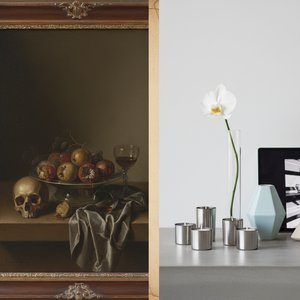
The Enduring Appeal of Still Life: A Historical & Contemporary Exploration
Explore the rich history & symbolism of still life painting with ArtsDot. Discover masterpieces from the Dutch Golden Age, learn about vanitas art, and find expert guidance for collecting timeless artworks.

Abraham Hendricksz van Beyeren: Pioneering Dutch Still Life & the Banquet Tradition
Explore the captivating world of Dutch Golden Age still life with Abraham van Beyeren. Discover his innovative techniques, symbolic banquet scenes & lasting influence on art history. Learn about collecting these masterpieces.

Silent Narratives: Exploring the Enduring Appeal of Still Life Painting Across Centuries
Explore the rich history of still life painting with ArtsDot. Discover Dutch Masters, decode vanitas symbolism & learn about collecting timeless art. Expert insights and museum-quality reproductions.

De la Naturaleza Muerta Clásica a la Abstracción Contemporánea: Elevando los Espacios de Entretenimiento en Villas a Través de Reproducciones Artísticas
Descubre la evolución del bodegón y cómo integrar reproducciones artísticas de alta calidad en tu villa. Expertos en arte, selección exclusiva y asesoramiento personalizado.


