

 Enviar
 Compartir
 Detalles
 Guía
Guía

 Descargar
 Similares
 Presentación de diapositivas
 Preguntas y respuestas
 Estadísticas
Kul-e Farah relief I


 Ver más
La obra de arte que se muestra en esta página está protegida por las leyes de propiedad intelectual, lo que significa que no podemos crear ni vender legalmente una reproducción idéntica. Esta protección se hace cumplir en virtud de acuerdos internacionales como el Convenio de Berna y por las leyes nacionales, incluidas aquellas establecidas por el Ley de derechos de autor de los EE. UU. - Título 17.
Este método cumple plenamente con las normativas de derechos de autor, ya que no implica la copia ni la duplicación de la obra protegida. En su lugar, se trata de una reinterpretación creativa: una nueva pintura influenciada por la original, pero que no es idéntica a ella.
Giclée / Impresión de arte
Impresiones giclée o en lienzo de calidad de museo con producción rápida y opciones de acabado flexibles. ( Comprar pintura hecha a mano Cambiar a imagen digital)




































Elija entre nuestros tamaños predefinidos que respetan las proporciones originales de la obra.

Introduzca el ancho y el alto que necesite para adaptarse a su marco o pared. Una impresión solo puede recortarse, nunca hacerse más grande que la imagen original, por lo que un tamaño con una forma distinta perderá parte de la obra. Le enviaremos una maqueta digital para su aprobación antes de realizar cualquier impresión. La imagen que se muestra en esta página no refleja el recorte real; solo la maqueta lo hace.
Envío a todo el mundo () en 2 semanas en lugar de las 4/5 semanas estándar. (5 noviembre)

Envío exprés gratuito a todo el mundo

Lienzo de lino de alta calidad

Seguro de envío total

Garantía de reembolso de aranceles aduaneros

Garantía de fidelidad cromática exacta

Política de devolución de 100 días (solo por defectos)

Garantía de devolución del 100% del dinero

Descuento por cantidad
 La opción de vidrio solo está disponible en tamaños inferiores a 110 cm.

Kul-e Farah relief I
Giclée / Impresión de arte
Dimensiones de la reproducción
-


Precio total final
€ 56
A Silent Witness to Elamite Grandeur
Perched high above the landscape, carved into a vertical niche some five and a half meters from the ground, the Kul-e Farah relief I stands as a profound testament to the enduring spirit of the Elamite highland tradition. This ancient masterpiece is not merely a carving on stone; it is a monumental dialogue between man and nature, frozen in time since approximately 500 BC. The relief serves as a vital historical link, embodying the sophisticated artistic language of an era that flourished in the ancient Near East. To gaze upon this work is to witness the intersection of political authority and artistic devotion, where every line etched into the rock face speaks of a civilization deeply rooted in its rugged, mountainous terrain.
The composition of the relief is both intricate and commanding, showcasing a scene of figures positioned with a deliberate sense of hierarchy and presence. The artistry lies in the way the carver utilized the natural contours of the rock to breathe life into the subjects, creating a sense of depth that invites the viewer to contemplate the lives of those depicted. Within the vertical niche, the relief integrates multiple elements of elite representation, drawing from much older traditions of valley carvings to assert the prestige of its creators. For the discerning collector or lover of antiquity, this piece offers a window into a world where art was used to solidify the identity of rulers and the sanctity of their lands.
The Language of Power and Inscription
Beyond its visual majesty, the Kul-e Farah relief I is a literary treasure, housing a complex narrative written in stone. The surface is adorned with twenty-four horizontal registers of an inscription that remains one of the most significant, yet enigmatic, archaeological finds of the region. This text provides a rare glimpse into the political landscape of the time, identifying the local ruler Hanni, son of Tahhi, who served as the "caretaker, protector, and ruler" of Ayapir. His role as a vassal to the Elamite king Shutur-Nahhunte highlights the intricate web of loyalty and governance that defined the period between 625 and 585 BC. The presence of nine additional epigraphs, delicately inscribed over the skirts of the carved figures, adds a layer of rhythmic detail that enhances the relief's textural complexity.
For interior designers and curators of historical reproductions, this artwork offers an unparalleled opportunity to introduce a sense of profound history and intellectual depth into a space. The interplay between the rugged texture of the stone and the precise, delicate epigraphs creates a visual tension that is both intellectually stimulating and aesthetically grounding. A high-quality reproduction of this relief does more than decorate a wall; it anchors a room with the weight of millennia, providing a conversation piece that bridges the gap between modern luxury and ancient heritage.
An Eternal Legacy in Stone
The emotional impact of the Kul-e Farah relief I stems from its sheer resilience. Despite the passage of over two thousand years, the figures and their stories remain remarkably well-preserved, offering a hauntingly beautiful connection to the Elamite civilization. The way the light plays across the carved surfaces—mimicking the natural sunlight that has illuminated this niche for centuries—creates an ever-changing aesthetic experience. It is a work that celebrates the concept of permanence in an impermanent world.
Owning or displaying a tribute to this relief allows one to participate in the preservation of human memory. Whether integrated into a contemporary gallery setting or used as a focal point in a sophisticated study, the piece evokes a sense of awe and reverence. It invites the observer to look upward, much like the original viewers did, and to find inspiration in the enduring strength of the Elamite spirit and the masterful hands that carved it into the very bones of the earth.
Preguntas y respuestas
¿Cómo puedo descargar la imagen de "Kul-e Farah relief I" de Javier Álvarez Mon?
Puede descargar "Kul-e Farah relief I" de Javier Álvarez Mon desde la página de Descargar imagen digital de la obra, como descarga de una imagen digital en alta resolución.
¿Puedo ver una vista previa de "Kul-e Farah relief I" de Javier Álvarez Mon antes de realizar el pedido?
Puedes ver una vista previa de "Kul-e Farah relief I" de Javier Álvarez Mon en la página de Vista previa de la obra de la obra.
¿Qué color predomina en la composición de "Kul-e Farah relief I" de Javier Álvarez Mon?
El Espresso (#3b2112) es el color predominante de "Kul-e Farah relief I" de Javier Álvarez Mon.
Obras relacionadas


Biografía del artista
Javier Álvarez-Mon es un arqueólogo e historiador español, especializado en el antiguo Cercano Oriente. Nació en Madrid en 1969 y recibió su doctorado en Arqueología por la Universidad Complutense de Madrid en 2001. Actualmente, desempeña su labor como investigador del Consejo Nacional de Investigación (CSIC) y lidera el Grupo de Estudios Elamitas de la Universidad de Barcelona.
Formación y trayectoria profesional
La trayectoria académica de Javier Álvarez-Mon se ha forjado bajo un profundo interés por la arqueología y la historia, con un enfoque magistral en las civilizaciones del antiguo Cercano Oriente. Su labor investigativa ha convergido de manera apasionante en el estudio de la cultura elamita, un esfuerzo que lo ha llevado a publicar obras fundamentales que rescatan la memoria de este pueblo, tales como El mundo elamita (2018) y Elam: historia, arte y arqueología (2021).
Investigaciones y legado editorial
A través de sus minuciosas investigaciones, Álvarez-Mon ha logrado desentrañar los misterios de la cultura elamita, consolidando un corpus bibliográfico que es referencia para la disciplina. Entre sus publicaciones más destacadas se encuentran:
- El mundo elamita (2018)
- Elam: historia, arte y arqueología (2021)
- La cultura elamita (2015)
- Elam: una historia de la región (2012)
Este compromiso con el conocimiento ha sido ampliamente reconocido por la comunidad académica internacional, otorgándole diversos premios y distinciones que avalan su rigor científico.
Colaboraciones y proyectos de exploración
La labor de Javier Álvarez-Mon no es un camino solitario; su carrera se nutre del diálogo con otros investigadores a través de proyectos de gran envergadura. Entre sus contribuciones más significativas resaltan:
- Proyecto Elamita: una ambiciosa investigación sobre la cultura elamita, respaldada por el Consejo Nacional de Investigación (CSIC).
- Proyecto de excavaciones en Irán: una labor de campo arqueológico financiada por la Universidad de Barcelona.
- Proyecto de estudio de la cultura elamita: un esfuerzo dedicado al análisis profundo de este legado, también bajo el amparo de la Universidad de Barcelona.
Estas sinergias han sido vitales para expandir las fronteras del conocimiento sobre el mundo elamita, permitiendo que sus hallazgos se materialicen en publicaciones de gran impacto.
La trascendencia de su obra
El legado de Javier Álvarez-Mon resulta fundamental para comprender la complejidad de la cultura elamita y su papel crucial en la historia del antiguo Cercano Oriente. Su capacidad para interpretar los vestigios del pasado ha permitido un avance sin precedentes en nuestra visión de esta región. Parte de sus investigaciones y obras pueden explorarse en https://ArtsDot.com, donde se ofrece un acceso más detallado a su producción intelectual. Asimismo, para aquellos interesados en el diálogo entre la historia y las artes, se recomienda visitar los archivos del Museo de la Real Academia de Bellas Artes de San Fernando y el Musée de la Chasse et de la Nature.

Javier Álvarez Mon
1969 - , España
Artículos relacionados

El Arte del Grabado en Madera: Historia, Técnica y la Tradición del Ukiyo-e
Descubre la fascinante historia y técnica del grabado Ukiyo-e. Explora el legado de Hokusai y el arte japonés ahora.

La dimensión táctil del relieve en yeso: historia, técnica y profundidad escultórica
Descubre la historia y técnica del relieve en yeso con rigor experto. Explora la profundidad táctil de esta maestría artística ahora.

Las 10 Obras Maestras del Arte Dominadas por Tonos de Piedra |
Descubre las 10 pinturas más famosas dominadas por tonos de piedra. Explora la historia, técnica y significado de obras maestras del Renacimiento al Expresionismo. Encuentra reproducciones de arte exclusivas en .
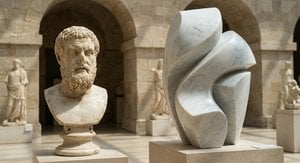
The Enduring Allure of Marble in Art History: From Classical Sculpture to Modern Abstraction
Explore the captivating history of marble sculpture from ancient Greece to modern art. Discover renowned artists like Canova & Michelangelo, carving techniques, and investment insights at ArtsDot.

Barbara Hepworth: A Sculptural Dialogue with Form, Space & the Human Condition
Explore the profound world of Barbara Hepworth's sculpture. Discover her artistic evolution, iconic forms, and lasting influence on modern art. A guide for collectors & enthusiasts.