


 Vista previa
 Compartir
 Compartir
 Ver detalles
 Guía
Guía

 Descargar
 Ver artículos similares
 Radiografía
 Presentación de diapositivas
 Estadísticas
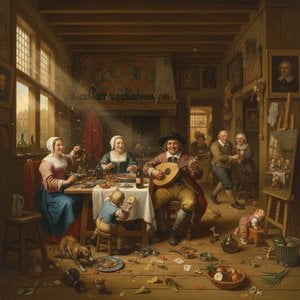
The Prodigal Son
 Oil On Canvas
- WallArt
- Baroque
 1668
1668- Early Modern
 111.0 x 99.0 cm
 Residenzgalerie
 Leer más
Reproducción al óleo hecha a mano
Óleo sobre lienzo pintado a mano en el tamaño y marco de su elección, realizado por encargo por nuestros artistas. ( Cambiar a formato impreso Ver versión en imagen digital)




P118B €10

P118H €10

P118W €10

P438Z €10

P508JH €12

P508YH €12

P805H €10

P805Z €10

P919BZ €10

P919G €10

P919XJ €10

P959ZH €10

P968JZ €12

W106C €8

W218G €10

W218JH €8

W218Y €10

W307PJ €10

W316G €10

W316PJ €8

W316Y €10

W398PJ €8

W4111J €10

W500HY €15

W500JH €15

W692G €12

W849H €8

W940BG €15

W953PJ €8




Elija entre nuestros tamaños predefinidos que respetan las proporciones originales de la obra.

Escriba el ancho y el alto que necesite para adaptarse a su marco o a su pared. Al ser una obra pintada a mano, para un tamaño con una forma distinta, el artista puede pintar un poco más alrededor de la imagen o recortar un poco; usted elige. Le enviaremos una maqueta digital para su aprobación antes de comenzar la pintura. La imagen que se muestra en esta página no refleja el resultado real; solo la maqueta lo hace.
Tras realizar el pedido, el equipo de ArtsDot.com enviará un correo electrónico al cliente para solicitar instrucciones y proporcionarle una vista previa del boceto.
Envío a todo el mundo () en 3-4 semanas en lugar de las 5 semanas estándar. (24 octubre). Sin comprometer la calidad.

Envío exprés gratuito a todo el mundo

Lienzo de lino de alta calidad

Seguro de envío completo

Garantía de reembolso de impuestos aduaneros

Garantía de fidelidad cromática exacta

Política de devolución de 100 días (solo por defectos)

Garantía de devolución del 100% del dinero

Oferta por volumen
 La opción de vidrio solo está disponible en tamaños inferiores a 110 cm.

The Prodigal Son
Técnica de reproducción
Tamaño de la reproducción
-


Precio total
€ 406
A Masterpiece of Baroque Drama
In the profound depths of Jan Weenix’s 1668 masterpiece, The Prodigal Son, viewers are transported into a world of intense theatricality and raw human emotion. This classical oil painting serves as a breathtaking window into the Baroque era, capturing a moment of profound vulnerability and communal grief. The composition is masterfully orchestrated, drawing the eye through a complex arrangement of figures gathered around a fallen protagonist. Set against the evocative backdrop of an architectural ruin, the scene utilizes a powerful arched doorway to create a sense of immense depth, pulling the observer into the very heart of the tragedy. The interplay of light and shadow—a hallmark of the period—casts a dramatic glow upon the central figures, highlighting the textures of weathered stone and the heavy folds of drapery, while plunging the periphery into mysterious, somber shadows.
The technical prowess displayed in this work reflects the pinnacle of Dutch Golden Age skill. Weenix employs a sophisticated layering technique, utilizing glazes to achieve a luminous quality that breathes life into skin tones and the rich, earthy palette of ochres, deep reds, and warm browns. Every brushstroke serves a purpose, from the delicate rendering of facial expressions caught in moments of anguish to the more vigorous, textured applications used to define the decaying masonry of the ruins. This meticulous attention to detail creates a tactile experience for the viewer, where the smoothness of fine silk contrasts sharply with the rugged, crumbling edges of the ancient architecture, suggesting a world where human fragility meets the inexorable passage of time.
Symbolism and the Weight of Mortality
Beyond its visual splendor, The Prodigal Son is a profound meditation on loss, decay, and the cyclical nature of life. The fallen figure at the center of the composition acts as a powerful symbol of mortality, serving as the emotional anchor for the surrounding crowd. The architectural ruins that frame the scene are not merely decorative; they represent the inevitable decline of all earthly structures and the transient nature of human glory. As the eye wanders toward the distant seascape visible through the archway, there is a poignant contrast between the stillness of death within the ruins and the eternal, rhythmic movement of the sea. This juxtaposition invites collectors and enthusiasts to contemplate themes of redemption, consequence, and the enduring legacy of our actions.
For the discerning interior designer or art collector, this painting offers more than just aesthetic beauty; it provides a narrative soul for a space. The warm, somber tones and the commanding presence of the composition make it an ideal focal point for a room designed to evoke contemplation and grandeur. Whether placed in a traditional study or as a conversation piece in a contemporary gallery setting, The Prodigal Son commands attention through its ability to stir the spirit. It is a work that transcends mere decoration, offering a timeless connection to the mastery of Jan Weenix and the enduring power of classical storytelling.
Preguntas y respuestas
¿Qué tamaño de impresión de "The Prodigal Son" de Jan Weenix se adapta a la habitación recomendada?
Para un/a Living Room, el tamaño de impresión recomendado para "The Prodigal Son" de Jan Weenix es Large.
¿Cómo se construye la composición cromática de "The Prodigal Son" de Jan Weenix?
El análisis cromático de "The Prodigal Son" de Jan Weenix registra un Statement contraste y una Strong Color Unity armonía.
¿Quién creó "The Prodigal Son" y en qué año?
El autor de "The Prodigal Son" es Jan Weenix, y la obra data de 1668.
Obras relacionadas


Biografía del artista
Jan Weenix: Vida y Legado
Jan Weenix (1641-1719) fue un destacado pintor barroco holandés, celebrado por sus ricos detalles en las representaciones de bodegones de caza, piezas de juego y paisajes. Su obra encarna el espíritu artístico de la Edad de Oro, mostrando tanto dominio técnico como una aguda observación del mundo natural.
Vida Temprana y Desarrollo Artístico
Nacido en Ámsterdam, Países Bajos, en 1641, Jan Weenix siguió los pasos de su padre como artista. Su padre, Jan Baptist Weenix, también era un pintor respetado que se especializaba en temas similares. Esta influencia familiar resultó crucial para el desarrollo artístico temprano de Jan. Inicialmente trabajó bajo la guía de su padre, aprendiendo las técnicas de la pintura de bodegones y la representación animal.
Influencias y Estilo Artístico
El estilo de Jan Weenix refleja las influencias de varios artistas clave de su tiempo. Su padre le inculcó un amor por el realismo detallado y las paletas de colores vibrantes. También fue influenciado por pintores como Hendrick Cornelisz Vroom, conocido por sus pinturas marinas, y posiblemente otros que se especializaban en obras animaleras como Melchior de Hondecoeter y Gillis Claesz d'Hondecoeter.
El estilo artístico de Weenix se caracteriza por:
- Renderizado preciso de las texturas – la piel, las plumas y la hoja son representadas con una precisión notable.
- Uso dramático de la luz y la sombra (claroscuro) para crear profundidad e interés visual.
- Una paleta de colores vibrantes que da vida a sus sujetos.
- Habilidad compositiva en la disposición de los elementos dentro del encuadre.
Obras Maestras y Logros
A lo largo de su carrera, Jan Weenix produjo un importante cuerpo de trabajo. Algunas de sus pinturas más notables incluyen:
- Caza y bodegón de frutas junto a un jarrón de jardín (1714) – Una composición compleja que muestra juego, fruta y elementos arquitectónicos.
- Bodegón con liebre y otros juegos (1697) – Demuestra su maestría en la representación de la anatomía y la textura animal.
- Mono sentado (antes de 1685) - Muestra su capacidad para capturar la personalidad en retratos de animales.
- El pavo real blanco – Una representación impactante de un majestuoso pájaro, que destaca la habilidad de Weenix con el color y el detalle.
También recibió encargos de importantes mecenas, incluyendo una invitación a la corte de Johann Wilhelm, Electror Palatino, donde trabajó junto a otros artistas renombrados.
Significado Histórico
Jan Weenix desempeñó un papel significativo en la popularización de los bodegones de caza y las pinturas de juego durante el período barroco. Sus obras fueron muy solicitadas por coleccionistas y contribuyeron al desarrollo de las tradiciones artísticas holandesas. Ayudó a elevar estos géneros más allá de la mera decoración, infundiéndoles un sentido de realismo, drama y belleza estética.
Su hija, Maria Weenix, continuó la tradición familiar como pintora floral habilidosa, consolidando aún más el nombre Weenix en los anales del arte holandés. El legado de Jan Weenix continúa inspirando a artistas y cautivando al público con sus magistrales representaciones del mundo natural.

Jan Weenix
1641 - 1719 , Netherlands
Datos clave
- Artistic Movement Or Style: Dutch Baroque
- Artists Who Influenced This Artist:
- Jan Baptist Weenix
- Hendrick Vroom
- Date Of Birth: 1642
- Date Of Death: 1719
- Full Name: Jan Weenix
- Nationality: Dutch
- Notable Artworks:
- Hunting and Fruit Still Life
- Still Life with a Hare
- A Seated Monkey
- Place Of Birth: Amsterdam, Netherlands
Artículos relacionados
Jan Steen: A Master of Dutch Genre Painting & the Golden Age
Explore the life & art of Jan Steen, a leading Dutch Golden Age painter renowned for his humorous genre scenes & insightful social commentary. Discover his techniques, legacy, and collecting tips.

La Luz y la República: Innovación Artística en el Siglo de Oro Neerlandés
Descubra la innovación artística del Siglo de Oro Neerlandés. Explore las obras maestras de Rembrandt y Vermeer, técnicas revolucionarias y el legado perdurable de este florecimiento cultural. ¡Sumérjase en la luz y la belleza!

Reflejos de una Época Dorada: La Pintura Barroca Holandesa y la Innovación Cultural
Descubra la riqueza y el detalle de la pintura barroca holandesa del Siglo de Oro. Explore las obras maestras de Rembrandt, Vermeer y otros artistas clave. Análisis experto e historia cultural.

Los 10 Maestros del Siglo de Oro Holandés: Arte, Historia y Decoración Exclusiva
Descubre los 10 imprescindibles del Siglo de Oro Holandés: Rembrandt, Vermeer y más. Explora la historia, técnica y belleza de estos lienzos clásicos. Encuentra reproducciones de arte exclusivas para decorar tu hogar en .

Los 10 Maestros del Barroco Holandés: Obras que Definen una Época | ArtsDot
Descubre los 10 imprescindibles del Barroco holandés: Rembrandt, Vermeer y más. Explora la historia, técnica y belleza de estas obras maestras. Reproducciones de arte en ArtsDot.com para decorar tu hogar con elegancia.


