


 Vista previa
 Compartir
 Compartir
 Ver detalles

 Descargar
 Ver similares
 Radiografía
 Presentación de diapositivas
untitled (3145)

 Leer más
Giclée / Impresión de arte
Impresiones giclée o en lienzo de calidad de museo con producción rápida y opciones de acabado flexibles. ( Encargar reproducción pintada a mano Comprar descarga)




P118B $10

P118H $10

P118W $10

P438Z $10

P508JH $12

P508YH $12

P805H $10

P805Z $10

P919BZ $10

P919G $10

P919XJ $10

P959ZH $10

P968JZ $12

W106C $8

W218G $10

W218JH $8

W218Y $10

W307PJ $10

W316G $10

W316PJ $8

W316Y $10

W398PJ $8

W4111J $10

W500HY $15

W500JH $15

W692G $12

W849H $8

W940BG $15

W953PJ $8




Elija entre nuestros tamaños predefinidos que respetan las proporciones originales de la obra.

Puede introducir sus propias dimensiones para adaptarse a un marco o espacio específico. Si el tamaño seleccionado no coincide con las proporciones de la imagen original, recortaremos la obra de arte o extenderemos la imagen con un borde con efecto espejo o de color sólido. Se enviará una maqueta digital para su aprobación antes de que comience la producción.
Tenga en cuenta que la vista previa en pantalla no refleja el recorte o la extensión real. Solo la maqueta mostrará con precisión la composición final.
Aunque existen tamaños personalizados, recomendamos seleccionar una dimensión de la lista predefinida para preservar las proporciones originales.
Envío a todo el mundo () en 2 semanas en lugar de las 4/5 semanas estándar. (15 agosto)

Envío exprés gratuito a todo el mundo

Lienzo de lino de alta calidad

Seguro de envío completo

Garantía de reembolso de aranceles aduaneros

Garantía de fidelidad cromática exacta

Política de devolución de 60 días (solo por defectos)

Garantía de devolución del 100% del dinero

Oferta por volumen
 La opción de vidrio solo está disponible en tamaños inferiores a 110 cm.

untitled (3145)
Giclée / Impresión de arte
Tamaño de la reproducción
-


Precio total
$ 62
Descripción de la pieza
Jan van Eyck: A Pioneer of Realism and Symbolism
Jan van Eyck (c. 1390-1441) stands as an undeniable titan amongst Early Netherlandish painters, a figure whose legacy continues to illuminate the artistic landscape centuries after his lifetime. While biographical details remain frustratingly sparse – Hubert van Eyck, his brother, largely vanished from historical records – Jan himself possessed an extraordinary talent that swiftly propelled him into prominence within the burgeoning artistic milieu of Bruges and beyond.
His workshop in The Hague wasn’t merely a place of production; it was a crucible of innovation where he fostered apprenticeships and undertook commissions that showcased his unparalleled mastery. This early success wasn't solely attributable to technical skill, though undeniably impressive. Van Eyck’s astute judgment and unwavering trustworthiness – qualities highly valued during the period – cemented his reputation as a man of considerable intellect and integrity.
The Ghent Altarpiece: A Monumental Achievement
Perhaps no single artwork embodies Van Eyck's genius more profoundly than the Ghent Altarpiece, begun in 1425 alongside Hubert. Commissioned by Simon van der Putten and Gabrielle Broeder Janssens, this monumental polyptych represents a breathtaking feat of artistic endeavor. It depicts scenes from the life of Saint John the Baptist and Christ’s Passion, rendered with astonishing detail and imbued with an unprecedented level of realism.
What distinguishes the Ghent Altarpiece isn't simply its scale; it’s Van Eyck’s revolutionary application of oil paint—a technique previously considered experimental—which allowed him to achieve luminous colors and textures unattainable with tempera. The meticulous layering of glazes created an illusionistic depth that captivated viewers and profoundly influenced subsequent generations of artists.
Arnolfini Portrait: Domestic Tranquility Captured in Light
Alongside the Ghent Altarpiece, Van Eyck’s Arnolfini Portrait (1434) cemented his reputation as a master of psychological portraiture. Painted for Giovanni Arnolfini and Isabella Reynoldse, this seemingly simple depiction of a wealthy couple within their home exudes an atmosphere of serene intimacy.
Van Eyck's masterful use of perspective—particularly atmospheric perspective—creates a convincing illusion of depth, drawing the viewer into the scene. The subtle interplay of light and shadow highlights the textures of fabrics and furnishings, conveying a sense of realism that transcends mere representation. Furthermore, scholars debate the symbolism embedded within the portrait’s details – the mirror reflecting the viewer, the lute symbolizing marital harmony—adding layers of meaning to this iconic masterpiece.
Legacy: Shaping Artistic Expression
Jan van Eyck's influence extends far beyond his own creations. He established a workshop that nurtured talent and disseminated innovative techniques, shaping the artistic landscape of Northern Europe for decades to come. His unwavering commitment to observation and meticulous craftsmanship served as an inspiration for artists across disciplines—a testament to his enduring contribution to the history of art.
Obras relacionadas


Biografía del artista
vida temprana y carrera
Jan van Eyck, una figura destacada del temprano movimiento de la pintura neerlandesa, nació alrededor de 1390 en Maaseik, actual Bélgica. Para 1422, se había establecido como un maestro pintor con un taller y asistentes en La Haya. Notablemente, sirvió a Juan III el Cruel y más tarde Felipe el Bueno, duque de Borgoña, como pintor de la corte, gozando de alto prestigio e involucrándose en actividades diplomáticas.contribuciones artísticas
Las obras de Van Eyck, inicialmente basadas en el estilo gótico internacional, trascendieron sus límites a través de su enfoque naturalista mejorado y el uso innovador del óleo. Esto estableció un nuevo estándar en el arte, convirtiéndolo en un pionero del temprano movimiento de la pintura neerlandesa. Algunas de sus obras notables incluyen:- Dios el Padre (212 x 83 cm, renacimiento del norte, óleo sobre tabla, ver en ArtsDot.com)
- Retrato de un joven (33 x 19 cm, renacimiento del norte, óleo sobre tabla, ver en ArtsDot.com)
- Triptico de Dresde (Virgen y Niño con San Miguel y Santa Catalina y una donante) (28 x 38 cm, Gemäldegalerie alte meister, Dresde, Alemania, renacimiento del norte, madera, ver en ArtsDot.com)
- Retrato de Giovanni Arnolfini y su esposa (detalle) (National Gallery, Londres, Reino Unido, óleo, ver en ArtsDot.com)
- Hombre con turbante azul (17 x 23 cm, el Museo Nacional de Arte de Rumanía, Bucarest, Rumania, renacimiento del norte, madera, ver en ArtsDot.com)
legado e influencia
La influencia de Van Eyck fue profunda, allanando el camino para la floreciente tradición de la pintura neerlandesa temprana. Su uso innovador del óleo añadió profundidad y realismo a sus obras, convirtiéndolo en una figura **renombrada en el mundo del arte**. Para explorar más las obras de Jan van Eyck y el movimiento de la pintura neerlandesa temprana, visite la página de Jan van Eyck en ArtsDot.com.lecturas adicionales
* Wikipedia: [Jan van Eyck](https://en.wikipedia.org/wiki/jan_van_eyck) * ArtsDot.com: pintor neerlandés del norte * ArtsDot.com: el movimiento de arte neerlandés temprano
Jan van Eyck
1390 - 1441 , Países Bajos
Datos clave
- Artistic Movement Or Style: Pintura flamenca temprana
- Artists Or Movements Influenced By This Artist: ['Escuela Flamenca']
- Date Of Birth: c. 1390
- Date Of Death: 1441
- Full Name: Jan van Eyck
- Nationality: Flemeco
- Notable Artworks:
- Triptico de Gante
- Retrato de Arnolfini
- Place Of Birth: Maastricht, Países Bajos
Artículos relacionados

Los 10 Maestros del Primitivo Flamenco: Obras que Definen un Arte Inigualable | ArtsDot
Descubre los 10 imprescindibles del Primitivo Flamenco: Jan van Eyck, Robert Campin y más. Explora la historia, simbolismo y técnica de estas obras maestras renacentistas tempranas. Encuentra reproducciones de arte de museo en ArtsDot.com.
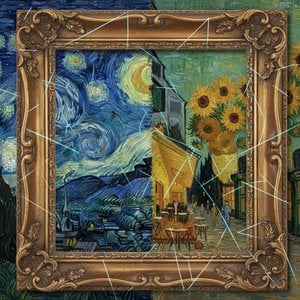
Las 25 Obras Maestras de Van Gogh: Un Viaje Emocional a Través del Arte
Descubre las 25 obras maestras de Van Gogh, desde 'La Noche Estrellada' hasta sus icónicos girasoles. Explora su vida, técnica impresionista y el profundo significado de cada cuadro. Reproducciones de arte de museo en ArtsDot.com.

Jan van Eyck: Innovation, Symbolism & the Dawn of Early Netherlandish Painting
Explore the revolutionary art of Jan van Eyck! Discover his groundbreaking oil painting techniques, hidden symbolism, and lasting impact on the Early Netherlandish Renaissance. A deep dive for art enthusiasts.

Renacimiento Flamenco Temprano: 10 Obras Maestras que Cambiaron la Historia del Arte | ArtsDot
Descubre las 10 obras maestras del Renacimiento Flamenco Temprano. Explora la historia de Jan van Eyck, Robert Campin y más. Reproducciones de arte en ArtsDot.com para decorar tu hogar con belleza y elegancia. ¡Explora la colección online!

El Amanecer de una Nueva Visión: Contexto Histórico e Influencia Borgoña en el Renacimiento Temprano Flamenco
Descubre la riqueza del Renacimiento Temprano Flamenco y la influencia del Estado Borgoñón. Analizamos a Jan van Eyck, Robert Campin y el simbolismo oculto en sus obras maestras. ¡Explora la historia del arte con ArtsDot!



