

 Vista previa
 Compartir
 Compartir
 Ver detalles

 Descargar
 Ver similares
 Radiografía
 Presentación de diapositivas
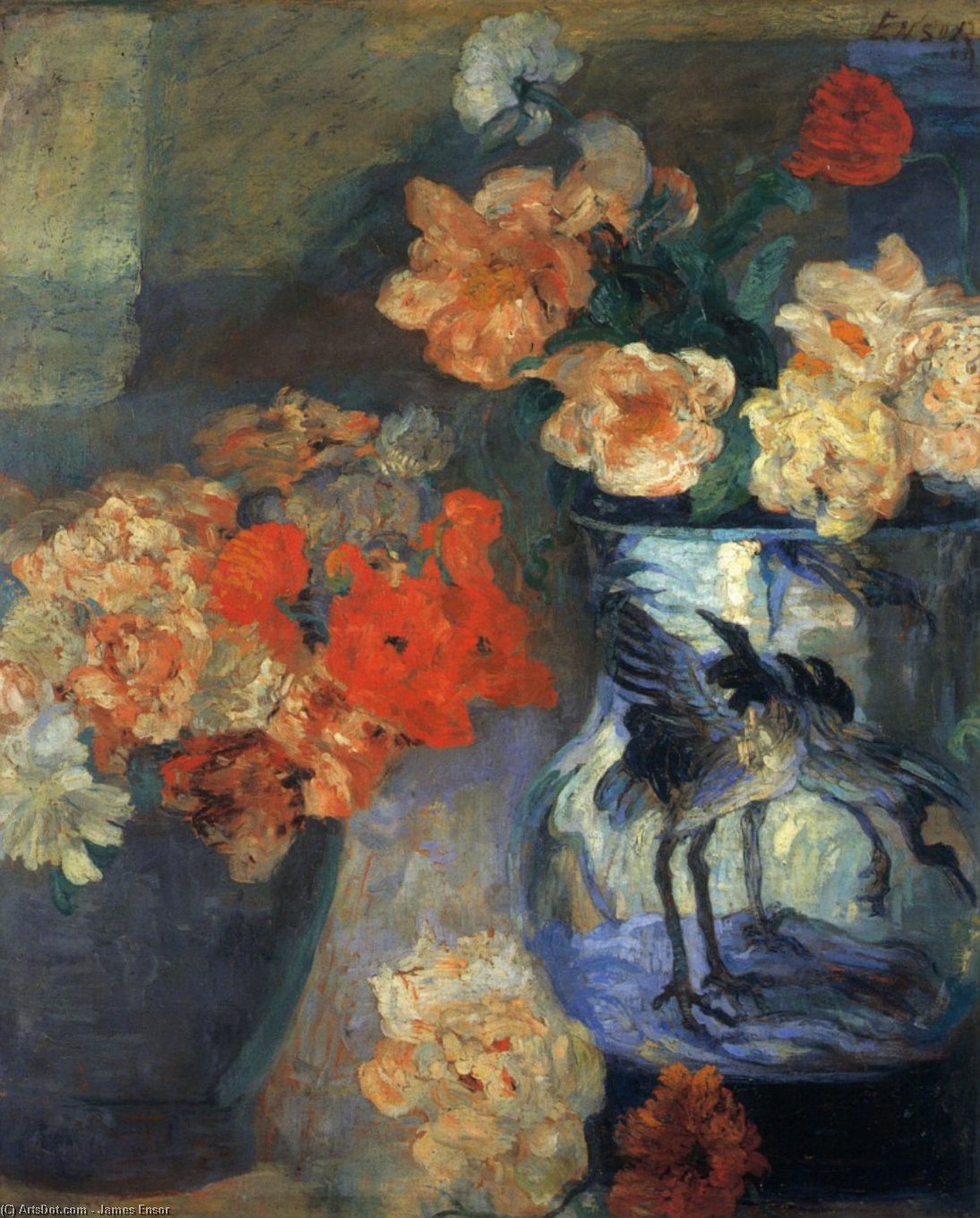
Pivoines et pavots


 Leer más
Reproducción al óleo hecha a mano
Óleo sobre lienzo pintado a mano en el tamaño y marco de su elección, realizado por encargo por nuestros artistas. ( Cambiar a impresión Cambiar a imagen)




P118B $10

P118H $10

P118W $10

P438Z $10

P508JH $12

P508YH $12

P805H $10

P805Z $10

P919BZ $10

P919G $10

P919XJ $10

P959ZH $10

P968JZ $12

W106C $8

W218G $10

W218JH $8

W218Y $10

W307PJ $10

W316G $10

W316PJ $8

W316Y $10

W398PJ $8

W4111J $10

W500HY $15

W500JH $15

W692G $12

W849H $8

W940BG $15

W953PJ $8




Elija entre nuestros tamaños predefinidos que respetan las proporciones originales de la obra.

Puede ingresar sus propias dimensiones para adaptarse a un marco o espacio específico. Si el tamaño seleccionado no coincide con las proporciones de la imagen original, recortaremos la obra o extenderemos la pintura con elementos adicionales pintados a mano. Se le enviará una maqueta digital para su aprobación antes de comenzar la producción.
Tenga en cuenta que la vista previa en pantalla no refleja el recorte o la extensión reales. Solo la maqueta mostrará con precisión la composición final.
Si bien existen tamaños personalizados, recomendamos seleccionar una dimensión de la lista predefinida para preservar las proporciones originales.
Tras realizar el pedido, el equipo de ArtsDot.com enviará un correo electrónico al cliente para solicitar instrucciones y proporcionarle una vista previa del boceto.
Envío a todo el mundo () en 3-4 semanas en lugar de las 5 semanas estándar. (11 agosto). Sin comprometer la calidad.

Envío exprés gratuito a todo el mundo

Lienzo de lino de alta calidad

Seguro de envío completo

Garantía de reembolso de aranceles aduaneros

Garantía de fidelidad cromática exacta

Política de devolución de 60 días (solo por defectos)

Garantía de devolución del 100% del dinero

Oferta por volumen
 La opción de vidrio solo está disponible en tamaños inferiores a 110 cm.

Pivoines et pavots
Técnica de reproducción
Tamaño de la reproducción
-


Precio total
$ 263
Descripción de la obra
A World of Masks and Shadows: Unveiling “Pivoines et Pavots”
James Ensor’s “Pivoines et pavots” (1893) isn't merely a still life; it’s a meticulously constructed stage for unsettling beauty, a window into the artist’s uniquely fractured psyche. Painted during a period of intense experimentation and social commentary, this work embodies the core tenets of Ensor’s artistic vision – a deliberate blurring of reality and dream, a fascination with masks and disguise, and a subtle yet potent critique of bourgeois society. The painting depicts an arrangement of vases overflowing with vibrant flowers—red poppies (pavots) and delicate pink peonies (pivoines)—a seemingly idyllic scene rendered through Ensor’s signature dark palette and unsettling juxtapositions. Yet, beneath the surface blooms a sense of unease, a feeling that something is profoundly *off*.The Artist's Context: Ostend and the Carnival Spirit
Born in Ostend, Belgium, in 1860, James Ensor’s artistic development was inextricably linked to his childhood environment. His father operated a souvenir shop brimming with exotic objects – masks, shells, and curiosities – that served as a constant source of inspiration. The annual carnival season in Ostend, a bustling hub of revelry and disguise, profoundly shaped Ensor's imagination. He frequently incorporated elements from the carnival—masks, puppets, skeletons—into his work, transforming everyday objects into symbols of hidden identities and societal anxieties. This connection to the theatrical world is powerfully evident in “Pivoines et pavots,” where the masks, though not explicitly visible, seem to permeate the entire composition, suggesting a layer of concealed meaning beneath the floral display. The painting was created during a time when Ensor was actively rejecting academic art traditions and forging his own distinct style—a style characterized by bold colors, distorted forms, and a deliberate rejection of naturalism.Symbolic Language: Flowers, Masks, and Mortality
The choice of flowers themselves is laden with symbolic weight. Red poppies, traditionally associated with remembrance and mortality, stand in stark contrast to the delicate pink peonies, representing beauty and fleeting youth. The presence of vases—one large, one smaller—could be interpreted as a commentary on social hierarchy or perhaps simply an arrangement reflecting Ensor’s own artistic control over his subject matter. Crucially, the inclusion of a potted plant adds another layer of complexity, suggesting a connection to nature that is both alluring and ultimately unsettling. The masks, though absent in their literal form, are powerfully evoked through the overall atmosphere of concealment and deception. Skeletons, frequently appearing in Ensor’s work, serve as potent reminders of mortality and the fragility of human existence—a theme subtly woven into the vibrant colors and carefully constructed arrangement of flowers.Technique and Emotional Impact: A Masterclass in Expression
Ensor's technique in “Pivoines et pavots” is a masterful blend of observation and distortion. He employs a rich, dark palette—deep blues, greens, and browns—to create a sense of claustrophobia and unease. The flowers are rendered with meticulous detail, yet their colors are intensified and slightly unnatural, contributing to the painting’s dreamlike quality. The composition is carefully balanced, but there's an underlying tension, a feeling that the scene is poised on the brink of collapse. This deliberate manipulation of color and form reflects Ensor’s Expressionist approach—a rejection of objective representation in favor of conveying subjective emotions and psychological states. “Pivoines et pavots” isn’t simply a pretty still life; it's an emotionally charged exploration of themes such as identity, mortality, and the anxieties of modern society. It invites viewers to confront their own perceptions of beauty and reality, prompting reflection on the hidden meanings beneath the surface.ArtsDot offers high-quality hand-painted reproductions of James Ensor’s “Pivoines et pavots,” allowing you to bring this captivating artwork into your home or office. Experience the unsettling beauty and profound symbolism of Ensor's masterpiece firsthand.
Obras relacionadas


Biografía del artista
vida temprana y trayectoria artística
James Sidney Edouard, Baron Ensor, un destacado pintor y grabador belga, nació el 13 de abril de 1860 en Ostend, Bélgica. Su vida temprana estuvo marcada por un trasfondo cultural diverso, con un padre inglés, James Frederic Ensor, y una madre belga, María Caterina Haegheman. Falta de interés en los estudios académicos tradicionales, Ensor abandonó la escuela a los quince años para dedicarse al arte, recibiendo formación con pintores locales y posteriormente estudiando en la Academia Real de Bellas Artes en Bruselas.Estilo artístico y temas
El estilo artístico de Ensor se caracterizó por su exploración de la mente inconsciente e imágenes oníricas, lo que influyó significativamente en el expresionismo y el surrealismo. Sus pinturas a menudo presentaban asuntos extraños, incluyendo carnavales, máscaras, teatro de marionetas, esqueletos y alegorías fantásticas. Obras notables incluyen Las Máscaras Escandalizadas (1883) y Esqueletos luchando por un ahorcado (1891), que muestran su mezcla única de lo grotesco y lo fantástico.Reconocimiento y legado
A pesar de la resistencia inicial, la obra de Ensor ganó gradualmente aceptación y elogios. Para 1920, era el tema de importantes exposiciones; en 1929, fue nombrado barón por el rey Alberto, y en 1933, recibió la Legión de Honor. Su legado como figura pionera en el arte moderno es evidente en su influencia en movimientos artísticos posteriores, incluyendo el expresionismo y el surrealismo.Obras clave y exposiciones
* La Intriga (90 x 150 cm, Museo Real de Bellas Artes, Amberes, Bélgica) * Tribulaciones de San Antonio (1887, ahora en la colección del Museo de Arte Moderno, Nueva York)- Descubra más sobre la vida y obra de James Ensor en ArtsDot: James Ensor
- Explore el Museo Mu.Zee en Ostend, Bélgica, que presenta una colección de arte belga desde 1830 en ArtsDot: Descubra el Museo Mu.Zee en Ostend, Bélgica
- Aprenda más sobre la pintura simbolista y su influencia en el expresionismo y el surrealismo en Wikipedia: Pintura Simbolista

James Ensor
1860 - 1949 , Bélgica
Datos clave
- Artistas Influenciados Por Este Artista:
- Expresionismo
- Surrealismo
- Artistas Que Influyeron:
- Pieter Bruegel el Viejo
- Francisco Goya
- Fecha De Muerte: 19 de noviembre de 1949
- Fecha De Nacimiento: 13 de abril de 1860
- Lugar De Nacimiento: Ostend, Bélgica
- Movimiento Artístico: Expresionismo, Surrealismo
- Nacionalidad: Belga
- Nombre Completo: James Ensor
- Obras Notables:
- Las Máscaras Escandalizadas
- Esqueletos luchando
- Tribulaciones de San Antonio
- Cristo entrando en Bruselas
Artículos relacionados

The Bountiful Still Life: Symbolism & Artistic Representation of Fruit Across Art History
Explore the rich history of still life painting & the symbolism of fruit across art movements. Discover masterpieces from Caravaggio to Cézanne with ArtsDot – expert guidance & museum-quality reproductions.

La Cruda Emoción del Expresionismo: Una Revolución en el Arte del Siglo XX
Descubra la intensa emoción del Expresionismo. Explore su historia, artistas clave y cómo coleccionar estas obras maestras con . ¡Asesoramiento experto!
Expresionismo Figurado: Intensidad Emocional y Realidad Subjetiva en el Arte del Siglo XX
Explora la intensidad emocional del Expresionismo Figurado alemán. Descubre sus orígenes, artistas clave como Munch y Kirchner, y su legado en el arte moderno. Análisis experto y profundo.

De la Naturaleza Muerta Clásica a la Abstracción Contemporánea: Elevando los Espacios de Entretenimiento en Villas a Través de Reproducciones Artísticas
Descubre la evolución del bodegón y cómo integrar reproducciones artísticas de alta calidad en tu villa. Expertos en arte, selección exclusiva y asesoramiento personalizado.
Cubismo Expresionista: 10 Obras Maestras que Transformaron el Arte | ArtsDot
Descubre las 10 obras maestras del Cubismo Expresionista con ArtsDot. Explora la historia de Picasso, Braque y otros artistas clave. Encuentra reproducciones de arte exclusivas para transformar tu hogar. ¡Explora la colección completa en ArtsDot.com!



