


 Vista previa
 Compartir
 Compartir
 Ver detalles
 Guía
Guía

 Descargar
 Ver artículos similares
 Radiografía
 Presentación de diapositivas
 Estadísticas
Le Diable au Moulin


 Leer más
Giclée / Impresión de arte
Impresiones giclée o en lienzo de calidad de museo con producción rápida y opciones de acabado flexibles. ( Encargar reproducción pintada a mano Ver versión en imagen digital)




P118B €10

P118H €10

P118W €10

P438Z €10

P508JH €12

P508YH €12

P805H €10

P805Z €10

P919BZ €10

P919G €10

P919XJ €10

P959ZH €10

P968JZ €12

W106C €8

W218G €10

W218JH €8

W218Y €10

W307PJ €10

W316G €10

W316PJ €8

W316Y €10

W398PJ €8

W4111J €10

W500HY €15

W500JH €15

W692G €12

W849H €8

W940BG €15

W953PJ €8




Elija entre nuestros tamaños predefinidos que respetan las proporciones originales de la obra.

Introduzca el ancho y el alto que necesite para adaptarse a su marco o pared. Una impresión solo puede recortarse, nunca hacerse más grande que la imagen original, por lo que un tamaño con una forma distinta perderá parte de la obra. Le enviaremos una maqueta digital para su aprobación antes de realizar cualquier impresión. La imagen que se muestra en esta página no refleja el recorte real; solo la maqueta lo hace.
Envío a todo el mundo () en 2 semanas en lugar de las 4/5 semanas estándar. (24 octubre)

Envío exprés gratuito a todo el mundo

Lienzo de lino de alta calidad

Seguro de envío completo

Garantía de reembolso de impuestos aduaneros

Garantía de fidelidad cromática exacta

Política de devolución de 100 días (solo por defectos)

Garantía de devolución del 100% del dinero

Oferta por volumen
 La opción de vidrio solo está disponible en tamaños inferiores a 110 cm.

Le Diable au Moulin
Giclée / Impresión de arte
Tamaño de la reproducción
-


Precio total
€ 54
A Descent into Shadow and Spectacle: James Ensor’s *Le Diable au Moulin*
James Ensor's Le Diable au Moulin (The Devil at the Mill) is not merely a depiction of a scene; it’s an immersion. Painted in 1888, this unsettling work, now available as a meticulously crafted hand-painted reproduction from ArtsDot.com, plunges the viewer into a world steeped in psychological unease and theatrical grotesqueness – a hallmark of Ensor's unique artistic vision. The painting captures a chaotic gathering at a mill, but it’s far removed from a simple rural tableau. Instead, it feels like a fever dream, a carnival of anxieties rendered with startling clarity and unsettling detail.
Ensor, born in Ostend, Belgium, in 1860, cultivated an intensely personal style deeply rooted in his childhood experiences. His parents operated a souvenir shop brimming with the paraphernalia of travel and celebration – masks, shells, and exotic objects that fueled his imagination and provided him with a rich visual lexicon. This fascination with disguise and spectacle would become central to his oeuvre, particularly evident in works like Le Diable au Moulin. The painting’s setting, a mill, is deliberately ambiguous; it's not a picturesque rural scene but rather a stage for the unfolding drama of human folly and perhaps even demonic influence.
The Language of Masks and Distortion
Ensor’s masterful use of color and composition immediately establishes an atmosphere of disorientation. The palette is dominated by jarring contrasts – sickly greens, bruised purples, and unsettling yellows – creating a sense of visual discomfort. Figures are rendered with exaggerated features and distorted proportions, reflecting the psychological turmoil at play. Notice, for example, the central figure, partially obscured yet radiating an aura of menace; his posture suggests both defiance and vulnerability. The two birds in the sky, seemingly oblivious to the chaos below, add another layer of surrealism, hinting at a detachment from earthly concerns.
The masks themselves are crucial to understanding the painting’s symbolism. They represent not just concealment but also the performance of identity – the way we present ourselves to the world and the hidden anxieties that lie beneath the surface. Ensor's use of these theatrical devices is reminiscent of his earlier works, such as *The Scandalized Masks* (1883), where he explored the unsettling power of disguise and its potential for revealing uncomfortable truths. The presence of a devil figure, subtly integrated into the scene rather than overtly displayed, reinforces this theme of hidden darkness.
Expressionism and the Seeds of Modernity
Le Diable au Moulin is widely considered to be a pivotal work in the development of Expressionism, predating many of the movement’s more well-known figures. Ensor's focus on subjective experience, emotional intensity, and distorted representation anticipates the core tenets of this artistic approach. The painting rejects academic realism in favor of conveying inner states—fear, anxiety, and a sense of impending doom—through bold color, exaggerated forms, and unsettling imagery.
Furthermore, Ensor’s work reflects the broader cultural anxieties of the late 19th century – a period marked by rapid industrialization, social upheaval, and a growing sense of alienation. The mill itself can be interpreted as a symbol of progress and modernity, but one that has become corrupted and menacing. It's a visual representation of the darker side of societal transformation.
A Reproduction Worth Savoring
ArtsDot’s hand-painted reproductions capture the essence of Ensor’s genius with remarkable fidelity. Each brushstroke, each carefully chosen hue, faithfully recreates the painting’s unsettling atmosphere and complex symbolism. This isn't simply a print; it’s an experience—a chance to engage with one of the most challenging and rewarding works in modern art history. Whether you are an established collector, an enthusiastic admirer of Ensor’s work, or seeking a unique piece of art decoration for your home, Le Diable au Moulin offers a profound and unforgettable visual journey.
Explore the full detail and artistry of this captivating masterpiece at ArtsDot.com today.
Preguntas y respuestas
¿Qué tan luminosa es "Le Diable au Moulin" en su conjunto?
La luminosidad percibida de "Le Diable au Moulin" de James Ensor es brilliant. Puede armonizarse con la luz del espacio destinado.
¿Qué tan saturada es la paleta de "Le Diable au Moulin"?
"Le Diable au Moulin" de James Ensor está registrado con una saturación de Balanced Soft.
¿A qué etapa de la trayectoria de James Ensor pertenece "Le Diable au Moulin"?
"Le Diable au Moulin" representa el Mature Period de James Ensor.
Obras relacionadas


Biografía del artista
vida temprana y trayectoria artística
James Sidney Edouard, Baron Ensor, un destacado pintor y grabador belga, nació el 13 de abril de 1860 en Ostend, Bélgica. Su vida temprana estuvo marcada por un trasfondo cultural diverso, con un padre inglés, James Frederic Ensor, y una madre belga, María Caterina Haegheman. Falta de interés en los estudios académicos tradicionales, Ensor abandonó la escuela a los quince años para dedicarse al arte, recibiendo formación con pintores locales y posteriormente estudiando en la Academia Real de Bellas Artes en Bruselas.Estilo artístico y temas
El estilo artístico de Ensor se caracterizó por su exploración de la mente inconsciente e imágenes oníricas, lo que influyó significativamente en el expresionismo y el surrealismo. Sus pinturas a menudo presentaban asuntos extraños, incluyendo carnavales, máscaras, teatro de marionetas, esqueletos y alegorías fantásticas. Obras notables incluyen Las Máscaras Escandalizadas (1883) y Esqueletos luchando por un ahorcado (1891), que muestran su mezcla única de lo grotesco y lo fantástico.Reconocimiento y legado
A pesar de la resistencia inicial, la obra de Ensor ganó gradualmente aceptación y elogios. Para 1920, era el tema de importantes exposiciones; en 1929, fue nombrado barón por el rey Alberto, y en 1933, recibió la Legión de Honor. Su legado como figura pionera en el arte moderno es evidente en su influencia en movimientos artísticos posteriores, incluyendo el expresionismo y el surrealismo.Obras clave y exposiciones
* La Intriga (90 x 150 cm, Museo Real de Bellas Artes, Amberes, Bélgica) * Tribulaciones de San Antonio (1887, ahora en la colección del Museo de Arte Moderno, Nueva York)- Descubra más sobre la vida y obra de James Ensor en ArtsDot: James Ensor
- Explore el Museo Mu.Zee en Ostend, Bélgica, que presenta una colección de arte belga desde 1830 en ArtsDot: Descubra el Museo Mu.Zee en Ostend, Bélgica
- Aprenda más sobre la pintura simbolista y su influencia en el expresionismo y el surrealismo en Wikipedia: Pintura Simbolista

James Ensor
1860 - 1949 , Bélgica
Datos clave
- Artistas Influenciados Por Este Artista:
- Expresionismo
- Surrealismo
- Artistas Que Influyeron:
- Pieter Bruegel el Viejo
- Francisco Goya
- Fecha De Muerte: 19 de noviembre de 1949
- Fecha De Nacimiento: 13 de abril de 1860
- Lugar De Nacimiento: Ostend, Bélgica
- Movimiento Artístico: Expresionismo, Surrealismo
- Nacionalidad: Belga
- Nombre Completo: James Ensor
- Obras Notables:
- Las Máscaras Escandalizadas
- Esqueletos luchando
- Tribulaciones de San Antonio
- Cristo entrando en Bruselas
Artículos relacionados

Alfred Munnings: Las 25 Obras Maestras del Pintor de Caballos | ArtsDot
Descubre las 25 obras maestras de Alfred Munnings, el pintor británico de caballos por excelencia. Explora su impresionismo inglés, escenas campestres y técnica única. Encuentra reproducciones de arte de alta calidad en ArtsDot.com.
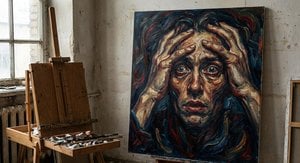
Expresionismo Figurado: Intensidad Emocional y Realidad Subjetiva en el Arte del Siglo XX
Explora la intensidad emocional del Expresionismo Figurado alemán. Descubre sus orígenes, artistas clave como Munch y Kirchner, y su legado en el arte moderno. Análisis experto y profundo.

James Ensor's Grotesque Visions: Social Commentary & Artistic Innovation
Explore the unsettling yet captivating world of James Ensor, a pioneer of Expressionism. Discover his satirical masterpieces, symbolic imagery & lasting influence on modern art. High-quality reproductions available at ArtsDot.

Unlocking Emotion: A Beginner's Guide to the Raw Power of Symbolic Expressionism Art
Discover the raw emotion of Symbolic Expressionism. Our expert guide explores how masters like Munch use color and form to convey inner feelings, offering inspiration for collectors looking to bring powerful, soulful art into their modern homes.

James Abbott McNeill Whistler: Las 25 Obras Maestras del Maestro del Arte y la Atmósfera | ArtsDot
Descubre las 25 obras maestras de James Abbott McNeill Whistler, el maestro del impresionismo y la armonía en arte. Explora retratos icónicos, nocturnos evocadores y su innovadora paleta de colores. Reproducciones de arte exclusivas en ArtsDot.com.


