

 Vista previa
 Compartir
 Compartir
 Ver detalles

 Descargar
 Ver similares
 Radiografía
 Presentación de diapositivas
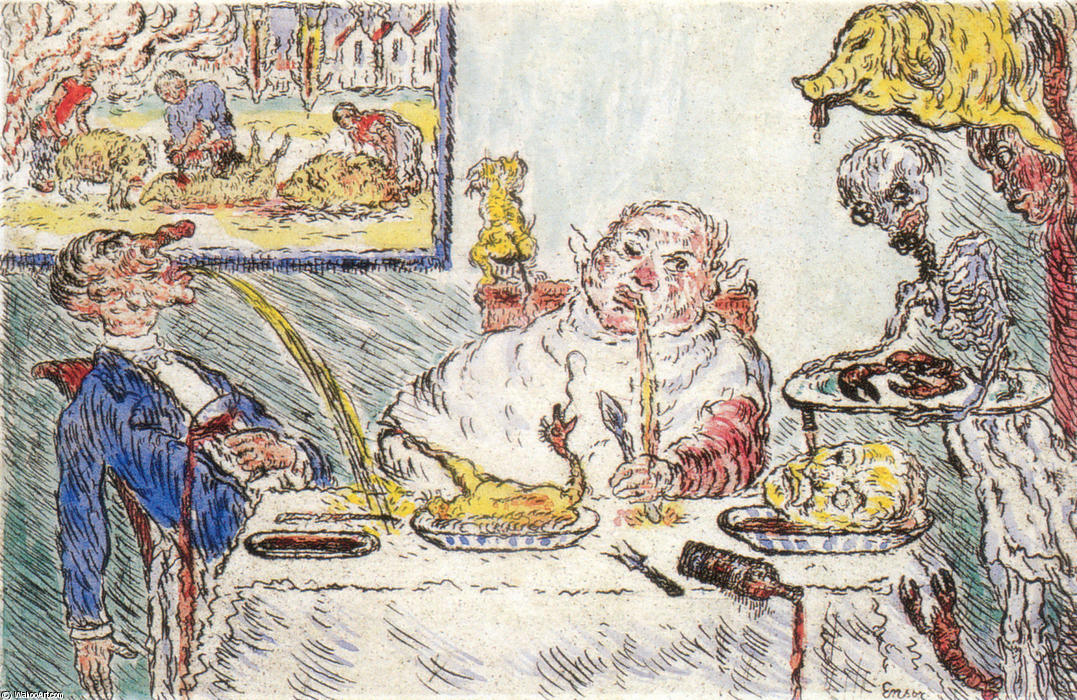
Gluttony


 Leer más
Giclée / Impresión de arte
Impresiones giclée o en lienzo de calidad de museo con producción rápida y opciones de acabado flexibles. ( Encargar reproducción pintada a mano Comprar descarga)




P118B $10

P118H $10

P118W $10

P438Z $10

P508JH $12

P508YH $12

P805H $10

P805Z $10

P919BZ $10

P919G $10

P919XJ $10

P959ZH $10

P968JZ $12

W106C $8

W218G $10

W218JH $8

W218Y $10

W307PJ $10

W316G $10

W316PJ $8

W316Y $10

W398PJ $8

W4111J $10

W500HY $15

W500JH $15

W692G $12

W849H $8

W940BG $15

W953PJ $8




Elija entre nuestros tamaños predefinidos que respetan las proporciones originales de la obra.

Puede introducir sus propias dimensiones para adaptarse a un marco o espacio específico. Si el tamaño seleccionado no coincide con las proporciones de la imagen original, recortaremos la obra de arte o extenderemos la imagen con un borde con efecto espejo o de color sólido. Se enviará una maqueta digital para su aprobación antes de que comience la producción.
Tenga en cuenta que la vista previa en pantalla no refleja el recorte o la extensión real. Solo la maqueta mostrará con precisión la composición final.
Aunque existen tamaños personalizados, recomendamos seleccionar una dimensión de la lista predefinida para preservar las proporciones originales.
Envío a todo el mundo () en 2 semanas en lugar de las 4/5 semanas estándar. (17 agosto)

Envío exprés gratuito a todo el mundo

Lienzo de lino de alta calidad

Seguro de envío completo

Garantía de reembolso de aranceles aduaneros

Garantía de fidelidad cromática exacta

Política de devolución de 60 días (solo por defectos)

Garantía de devolución del 100% del dinero

Oferta por volumen
 La opción de vidrio solo está disponible en tamaños inferiores a 110 cm.

Gluttony
Giclée / Impresión de arte
Tamaño de la reproducción
-


Precio total
$ 62
Descripción de la pieza
James Ensor’s *Gluttony*: A Descent into the Grotesque
James Ensor's Gluttony (circa 1897) is not merely a depiction of a dinner party; it’s a profoundly unsettling exploration of human excess, societal decay, and perhaps most significantly, the anxieties simmering beneath the surface of late Victorian Europe. Painted in stark black and white, the canvas immediately confronts the viewer with a scene of almost unbearable tension. The figures seated around the table – three primary subjects and two indistinct background individuals – are rendered with an unsettling realism that borders on caricature. Their postures, expressions, and the sheer abundance of food on the table contribute to a palpable sense of unease, hinting at a feast not of pleasure but of something far more sinister.
- Subject Matter: The painting’s subject is straightforward – a group consuming a meal. However, Ensor elevates this commonplace scene into a powerful allegory for moral corruption and the dangers of unchecked indulgence.
- Style & Technique: Ensor's style aligns with the Symbolist movement, prioritizing emotional expression over strict representational accuracy. His technique employs bold, expressive brushstrokes and a deliberate flattening of perspective, creating a claustrophobic atmosphere that intensifies the psychological impact of the scene. The monochromatic palette further amplifies this effect, stripping away any potential distractions and focusing attention on the figures’ distorted features and the unsettling arrangement of objects.
Historical Context & Ensor's Vision
Created during a period of rapid social change and growing anxieties in Europe – marked by industrialization, urbanization, and burgeoning psychological theories – *Gluttony* reflects these concerns. Ensor was deeply influenced by the Symbolist movement, which sought to express subjective emotions and ideas through symbolic imagery rather than objective representation. His personal background also played a crucial role; his upbringing amidst the vibrant, often unsettling atmosphere of Ostend, a port town known for its carnivals and eccentric characters, undoubtedly shaped his artistic vision. The souvenir shop run by his parents – filled with masks, curiosities, and objects that hinted at hidden meanings – provided him with a rich visual vocabulary that he would later employ to great effect.
Ensor’s rejection of the rigid academic traditions of the Brussels Academy was deliberate. He sought to create art that spoke directly to the subconscious, confronting viewers with uncomfortable truths rather than offering pleasant illusions. This commitment to psychological realism is evident in *Gluttony*, where the figures are not simply eating; they are trapped within a cycle of self-indulgence and moral degradation.
Symbolism & Emotional Impact
The symbolism embedded within *Gluttony* is layered and complex. The abundance of food itself represents excess, waste, and perhaps even a symbolic representation of the sins of mankind. The distorted faces of the figures suggest a loss of identity and an inability to escape their own appetites. The presence of masks – subtly alluded to in the artist’s broader oeuvre – reinforces the theme of disguise and deception. The overall effect is profoundly unsettling, evoking feelings of anxiety, dread, and perhaps even disgust. Ensor masterfully uses composition and technique to create a scene that feels both familiar and deeply disturbing, inviting viewers to confront their own anxieties about morality, consumption, and the darker aspects of human nature.
- Color Palette: The deliberate use of black and white heightens the dramatic effect and emphasizes the painting's psychological intensity.
- Composition: The tightly framed composition creates a sense of confinement and intensifies the viewer’s engagement with the scene.
Perfecting Your Collection – A ArtsDot Reproduction
ArtsDot offers meticulously crafted hand-painted reproductions of James Ensor's *Gluttony*, capturing every nuance of detail and emotional intensity of the original artwork. Our skilled artisans employ traditional techniques, using archival quality materials to ensure that your reproduction will retain its beauty and vibrancy for generations to come. Whether you are a seasoned art collector, an interior designer seeking to create a dramatic focal point, or simply someone captivated by Ensor’s unsettling vision, a ArtsDot reproduction of *Gluttony* is the perfect way to bring this iconic masterpiece into your home or workspace.
Obras relacionadas


Biografía del artista
vida temprana y trayectoria artística
James Sidney Edouard, Baron Ensor, un destacado pintor y grabador belga, nació el 13 de abril de 1860 en Ostend, Bélgica. Su vida temprana estuvo marcada por un trasfondo cultural diverso, con un padre inglés, James Frederic Ensor, y una madre belga, María Caterina Haegheman. Falta de interés en los estudios académicos tradicionales, Ensor abandonó la escuela a los quince años para dedicarse al arte, recibiendo formación con pintores locales y posteriormente estudiando en la Academia Real de Bellas Artes en Bruselas.Estilo artístico y temas
El estilo artístico de Ensor se caracterizó por su exploración de la mente inconsciente e imágenes oníricas, lo que influyó significativamente en el expresionismo y el surrealismo. Sus pinturas a menudo presentaban asuntos extraños, incluyendo carnavales, máscaras, teatro de marionetas, esqueletos y alegorías fantásticas. Obras notables incluyen Las Máscaras Escandalizadas (1883) y Esqueletos luchando por un ahorcado (1891), que muestran su mezcla única de lo grotesco y lo fantástico.Reconocimiento y legado
A pesar de la resistencia inicial, la obra de Ensor ganó gradualmente aceptación y elogios. Para 1920, era el tema de importantes exposiciones; en 1929, fue nombrado barón por el rey Alberto, y en 1933, recibió la Legión de Honor. Su legado como figura pionera en el arte moderno es evidente en su influencia en movimientos artísticos posteriores, incluyendo el expresionismo y el surrealismo.Obras clave y exposiciones
* La Intriga (90 x 150 cm, Museo Real de Bellas Artes, Amberes, Bélgica) * Tribulaciones de San Antonio (1887, ahora en la colección del Museo de Arte Moderno, Nueva York)- Descubra más sobre la vida y obra de James Ensor en ArtsDot: James Ensor
- Explore el Museo Mu.Zee en Ostend, Bélgica, que presenta una colección de arte belga desde 1830 en ArtsDot: Descubra el Museo Mu.Zee en Ostend, Bélgica
- Aprenda más sobre la pintura simbolista y su influencia en el expresionismo y el surrealismo en Wikipedia: Pintura Simbolista

James Ensor
1860 - 1949 , Bélgica
Datos clave
- Artistas Influenciados Por Este Artista:
- Expresionismo
- Surrealismo
- Artistas Que Influyeron:
- Pieter Bruegel el Viejo
- Francisco Goya
- Fecha De Muerte: 19 de noviembre de 1949
- Fecha De Nacimiento: 13 de abril de 1860
- Lugar De Nacimiento: Ostend, Bélgica
- Movimiento Artístico: Expresionismo, Surrealismo
- Nacionalidad: Belga
- Nombre Completo: James Ensor
- Obras Notables:
- Las Máscaras Escandalizadas
- Esqueletos luchando
- Tribulaciones de San Antonio
- Cristo entrando en Bruselas
Artículos relacionados

James Abbott McNeill Whistler: Las 25 Obras Maestras del Maestro del Arte y la Atmósfera | ArtsDot
Descubre las 25 obras maestras de James Abbott McNeill Whistler, el maestro del impresionismo y la armonía en arte. Explora retratos icónicos, nocturnos evocadores y su innovadora paleta de colores. Reproducciones de arte exclusivas en ArtsDot.com.

Las 10 Grabados Legendarios que Revolucionaron el Arte | ArtsDot
Descubre los 10 grabados legendarios que transformaron la historia del arte. Explora las obras maestras de Rembrandt, Goya y Dürer. Encuentra reproducciones de alta calidad e inspírate para decorar tu hogar con arte clásico en ArtsDot.com.

El Aguafuerte: Un Recorrido Histórico por su Técnica, Cualidades Estéticas y Significado Duradero
Descubre la fascinante historia y técnica del aguafuerte. Explora su evolución artística, los maestros que lo dominaron y sus cualidades estéticas únicas. Guía experta para amantes del arte.

Las 10 Pinturas Más Famosas Dominadas por el Negro | Arte y Decoración
Descubre las 10 pinturas más impactantes dominadas por el negro. Explora obras maestras de Rembrandt, Goya y Rothko, su historia y significado. Encuentra reproducciones de arte exclusivas para transformar tu hogar en .

Alfred Munnings: Las 25 Obras Maestras del Pintor de Caballos | ArtsDot
Descubre las 25 obras maestras de Alfred Munnings, el pintor británico de caballos por excelencia. Explora su impresionismo inglés, escenas campestres y técnica única. Encuentra reproducciones de arte de alta calidad en ArtsDot.com.



